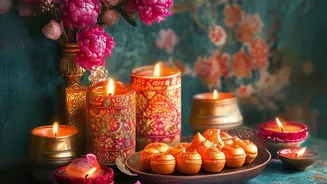


As the glow of diyas brightens homes for Diwali, another tradition awakens the senses: the aroma of homemade sweets. Far more than just desserts, these creations are a cherished ritual, embodying the very spirit of the festival.
An Expression of Love and Togetherness
In many Indian households,
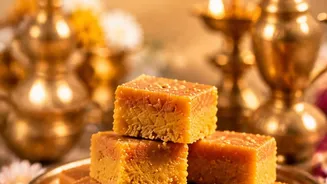
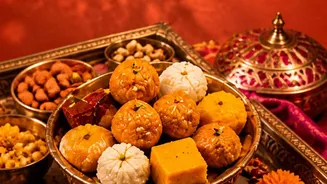
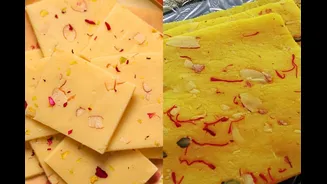
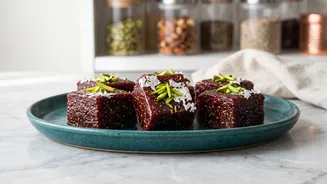
the preparations for Diwali begin days in advance, not with lights, but in the kitchen. The act of making sweets, or 'mithai', is a multigenerational affair, a time for families to gather, share stories, and pass down recipes from one generation to the next. This process itself is a celebration, weaving together the threads of family and heritage. Unlike impersonal, store-bought boxes, a tray of homemade laddoos or barfis is a heartfelt expression of love and goodwill. Sharing these sweets with friends, family, and neighbours is a fundamental part of the festival, a gesture that strengthens community bonds and spreads joy.
The Purity of Homemade Goodness
One of the most significant advantages of homemade sweets is the complete control over ingredients. In an era of heightened health awareness, families can choose high-quality ghee, nuts, and milk, while avoiding artificial preservatives and excessive sugar. This allows for adjustments based on the health needs of the family, reducing sugar content or incorporating healthier alternatives like jaggery or dates. This focus on quality and purity has deep cultural roots; sweets are first offered to deities as 'prasad' (a blessed offering) before being shared. Preparing them at home ensures they are made with a sense of devotion and cleanliness fit for a divine offering.
A Symphony of Timeless Flavours
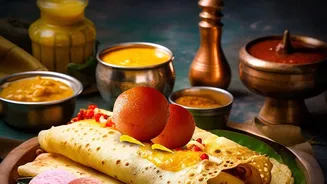
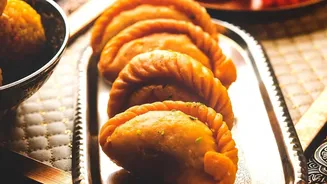
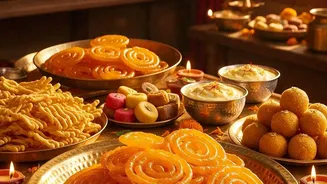
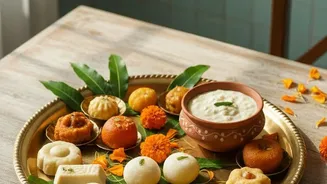
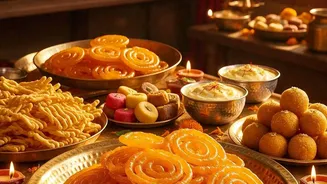
The Diwali platter is a vibrant showcase of India's rich culinary diversity. Classics like Besan Laddoos, golden orbs of roasted gram flour, offer a taste of homely warmth. Kaju Katli, a delicate cashew fudge, remains a luxurious favourite, often exchanged as an elegant gift. Then there are the syrupy delights like Gulab Jamun, soft milk-solid balls soaked in fragrant syrup, which are a symbol of festive indulgence. Each sweet, whether it's a ladoo, barfi, or jalebi, carries with it a story and a connection to regional traditions, representing prosperity and the joyful spirit of the festival of lights.
Modern Twists on Ancient Traditions
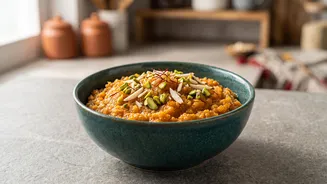
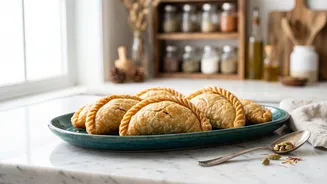
While tradition remains at the heart of Diwali celebrations, the modern Indian kitchen is not afraid to innovate. There is a growing trend of creating fusion sweets that blend familiar Indian flavours with contemporary dessert formats. You might find pistachio and rose truffles or mango kulfi cheesecakes sharing space with traditional mithai. Health-conscious adaptations are also gaining popularity, with recipes for sugar-free dry fruit ladoos or halwas made from nutrient-dense millets like ragi. These modern interpretations ensure that the tradition of making and sharing sweets continues to evolve, appealing to the tastes and dietary preferences of younger generations without losing its essential charm.