






More Than Just a Forecast
When market analysts point to a sector as the “best market,” it’s not just a casual compliment. It’s a conclusion drawn from a powerful confluence of data, trends, and consumer behaviour. While the phrase “officially labeled” might be strong, a consensus
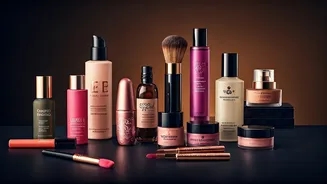
of reports from firms like Statista and Redseer Strategy Consultants points in one direction: India’s online beauty and personal care (BPC) market is on a trajectory of explosive growth. Projections estimate the industry could surpass $30 billion in the next few years, with online channels capturing an increasingly large slice of the pie. This isn't just about selling more products; it's a fundamental shift in how Indians discover, choose, and purchase beauty.
The Digital-First Revolution
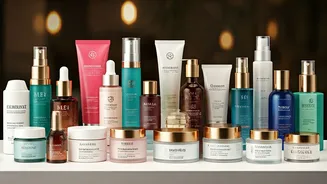
The single biggest driver of this boom is the rise of digital-first, or Direct-to-Consumer (D2C) brands. For decades, the market was dominated by a handful of legacy giants. Today, brands like Mamaearth, SUGAR Cosmetics, and Minimalist have rewritten the rules. By selling directly to consumers online, they bypass traditional retail gatekeepers, allowing for faster product launches, more competitive pricing, and a direct line of communication with their audience. They built their empires not on television ads but on targeted social media campaigns, creating products that address specific Indian concerns—from managing humidity-induced frizz to finding foundation shades for diverse Indian skin tones.
Social Media: The New Beauty Counter
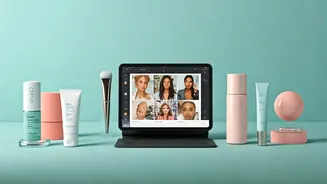
The days of relying solely on a store assistant’s recommendation are over. Today, the new beauty counter is on your phone. Instagram, YouTube, and even WhatsApp have become powerful sales channels. Influencers and content creators now function as trusted peers, offering tutorials, swatches, and unfiltered reviews that drive purchasing decisions. A single viral reel demonstrating a new serum can generate more sales than a multi-crore print campaign. This phenomenon, known as social commerce, has democratised influence. It allows niche brands to find their audience and empowers consumers with a wealth of information before they click ‘buy,’ turning every user’s feed into a personalised, interactive storefront.
Beyond the Metros
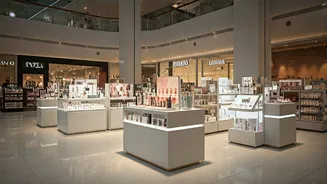
This isn't just a story for Mumbai and Delhi. The true scale of the opportunity lies in the growing digital aspirations of Tier-2 and Tier-3 cities. E-commerce platforms like Nykaa, Myntra, Purplle, and Amazon have built robust logistics networks that deliver to virtually every pin code in the country. For millions of consumers, this is the first time they have access to a wide array of brands and products beyond what's available at their local shop. This geographic expansion, coupled with rising disposable incomes and increasing internet penetration via affordable smartphones and data plans, has unlocked a massive, previously underserved customer base that is eager for choice and quality.
What’s Next? Personalisation and Purpose
As the market matures, the next wave of growth will be driven by even greater sophistication. The trend is moving towards hyper-personalisation, with brands offering customised skincare routines, AI-powered shade finders, and products formulated for specific needs. There's also a growing consciousness among consumers, who are demanding more than just an effective product. They want “clean beauty” with transparent ingredient lists, sustainable and cruelty-free practices, and brands that align with their values. This puts pressure on all players, from startups to legacy giants, to innovate not just in their marketing but in their very purpose and formulation.