






The Game-Changing Bajaj Partnership
The most significant shift in Triumph's India strategy has been its collaboration with Bajaj Auto. This partnership, initiated in 2023, was designed to tackle the mid-capacity segment, a space fiercely contested by domestic and international players.
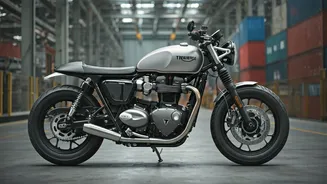
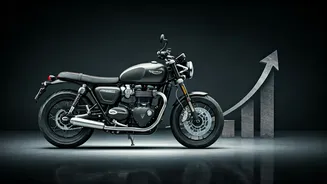
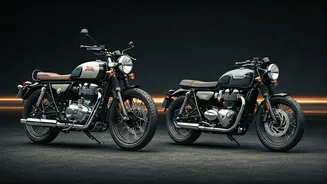
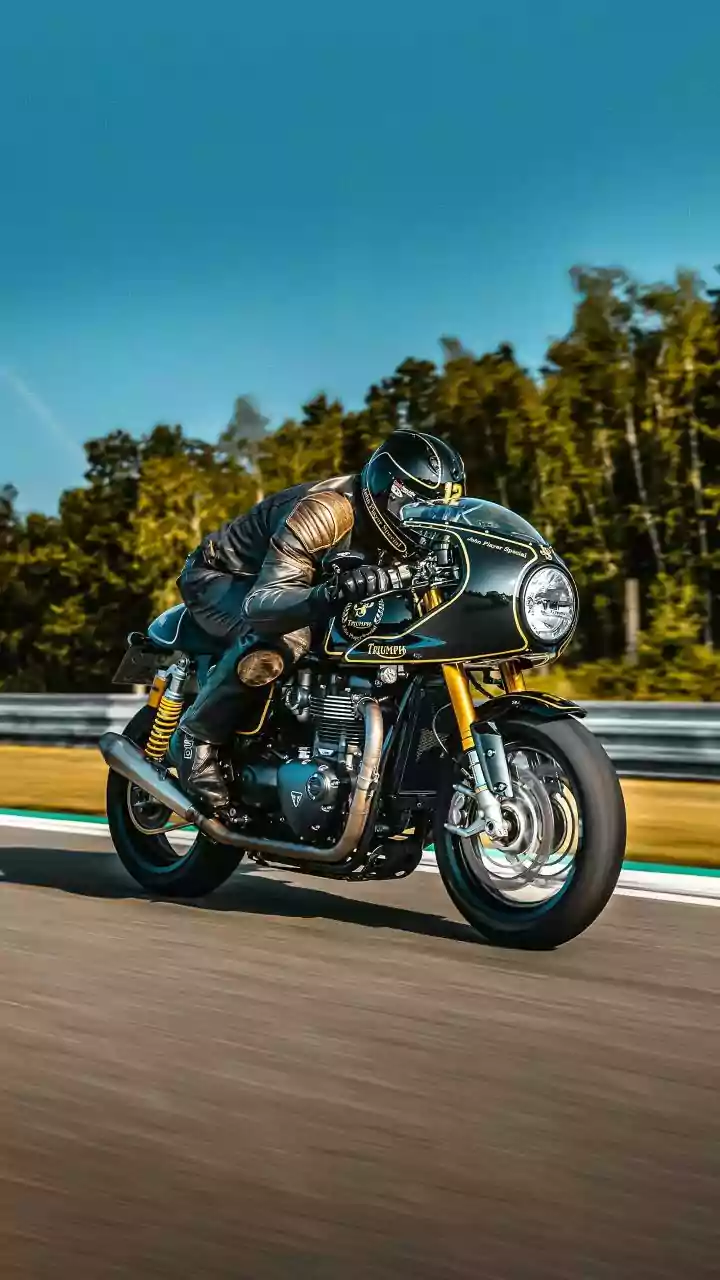
The first fruits of this alliance were the Triumph Speed 400 and Scrambler 400 X. Manufactured by Bajaj in India, these bikes launched at shockingly competitive prices, immediately shaking up the market and making the Triumph brand accessible to a much wider audience. The success was immediate and immense, with the brands crossing 100,000 unit sales, a milestone that has emboldened their strategy. This proved a crucial formula: world-class engineering from Triumph combined with the manufacturing prowess and cost efficiency of Bajaj.
The 'Under 350cc' Tax Advantage
A key reason the pricing became so 'interesting' relates to India's GST structure for motorcycles. Bikes with engines up to 350cc fall into a lower 18% GST bracket, while those above 350cc face a much higher tax rate of around 40%. Initially, the Triumph-Bajaj 400cc models were in the higher bracket, but the companies absorbed the cost to stay competitive. In a strategic pivot in early 2026, Triumph introduced downsized sub-350cc versions of these popular models, derived from the 400cc platform, specifically to leverage the lower tax slab. This allowed for significant on-road savings for customers, with prices being cut by up to ₹21,500 on some models. This move demonstrated a clear intent to use local production and regulatory knowledge to drive down costs.
From CBU to 'Make in India'
Historically, Triumph's larger, more premium motorcycles—like the Tiger, Street Triple, and Bonneville range—have been brought to India as either Completely Built-Up (CBU) units or assembled from Completely Knocked-Down (CKD) kits. Both routes involve high import duties, which directly inflate the final showroom price. While Triumph has had a CKD assembly plant in Manesar for years, the level of localisation has varied. However, the massive success of the locally-produced 400-series bikes has created a powerful precedent. The question on every enthusiast's mind is no longer 'if' but 'when' Triumph will apply this successful local manufacturing or assembly strategy to its bigger bikes.
What Could This Mean for Big Bikes?
The headline's promise lies in the potential for this strategy to expand. If Triumph decides to increase the local assembly or even local parts sourcing for models like the Street Triple 765 or the Tiger 900, the prices could see a significant correction. These bikes currently compete in a premium segment where prices can climb well above ₹10 lakh. A shift towards greater localisation, similar to what was announced as a goal years ago, could reduce their prices substantially, making them far more competitive against rivals from Kawasaki and other brands. While recent months have seen minor price hikes on the 350cc range due to input costs, the overall strategy points towards greater affordability. The success of the 350cc models has provided a blueprint: build in India to win in India. The next logical step is to apply that lesson to the rest of the desirable portfolio.