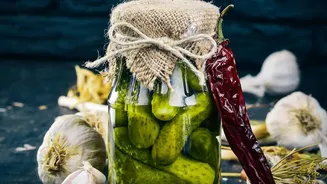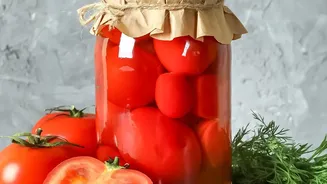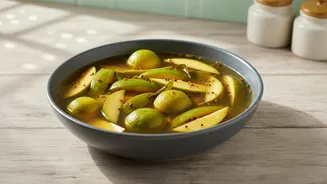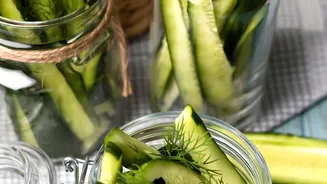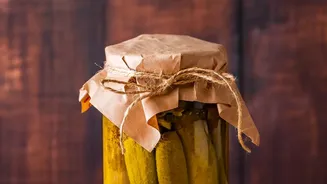



What Exactly Are Fermented Pickles?
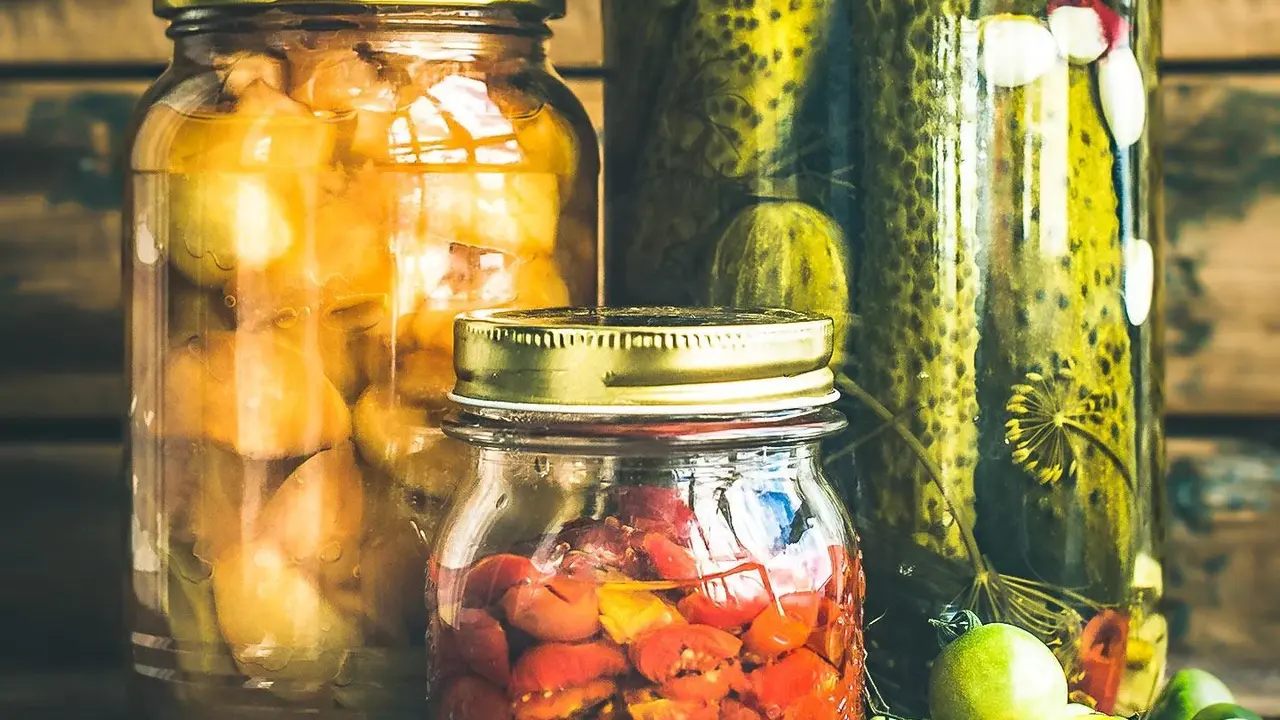
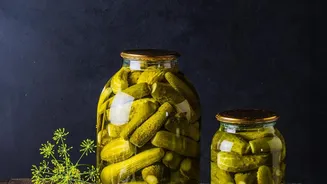
Unlike the pickles most are familiar with, which are preserved in oil or vinegar, fermented pickles are made using a process called lacto-fermentation. This ancient technique involves submerging vegetables in a simple salt-and-water brine. Over days or weeks,
naturally present beneficial bacteria called Lactobacillus convert the sugars in the vegetables into lactic acid. This acid acts as a natural preservative, preventing the growth of harmful bacteria while infusing the pickles with a distinct tangy, complex flavour. The result is a crunchy, sour pickle that is alive with probiotics, the good bacteria essential for our bodies.
The Gut Health Connection
The primary driver behind this trend is the growing awareness around gut health. Urban Indians are increasingly looking for functional foods that offer benefits beyond basic nutrition, and fermented products fit the bill perfectly. The probiotics created during fermentation are crucial for maintaining a healthy gut microbiome, which is the community of trillions of bacteria living in our digestive tracts. A healthy gut is linked to improved digestion, a stronger immune system, and even better mental well-being. While traditional Indian cuisine has always included fermented foods like dahi, idli, and dosa, the focus on oil-free fermented vegetables is a specific nod to this modern wellness movement.
An Ancient Practice with a Modern Twist
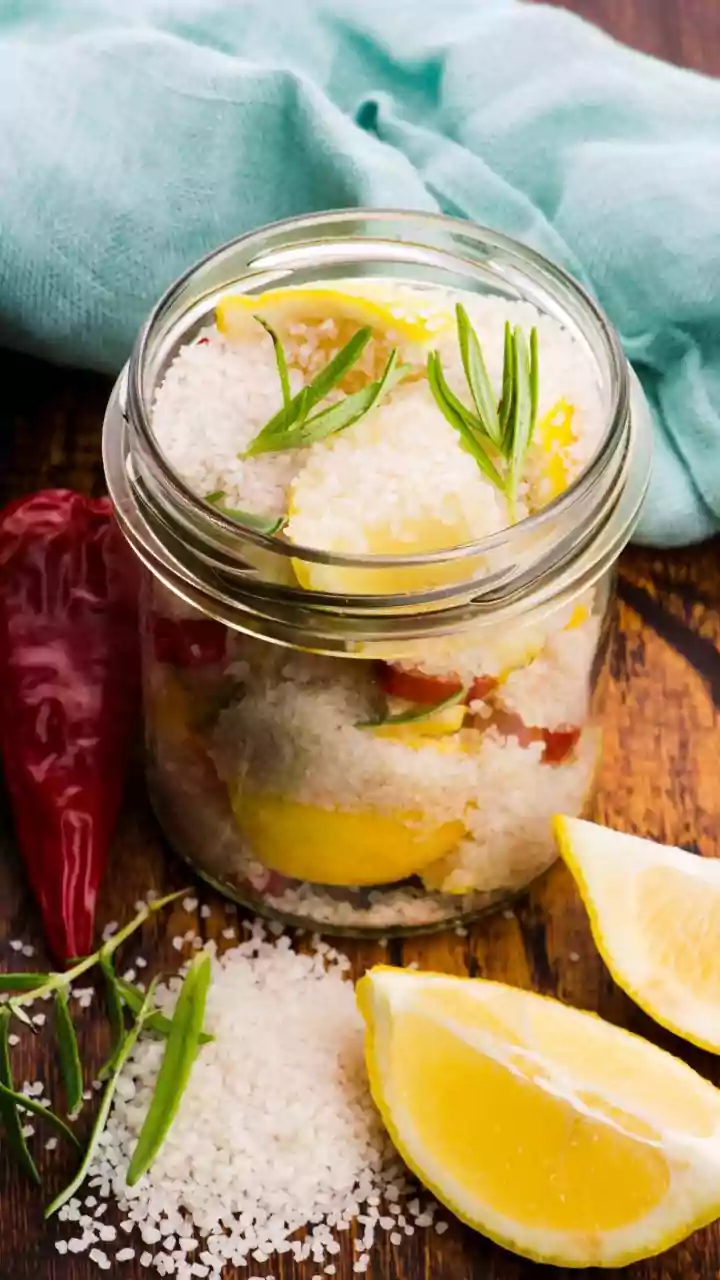
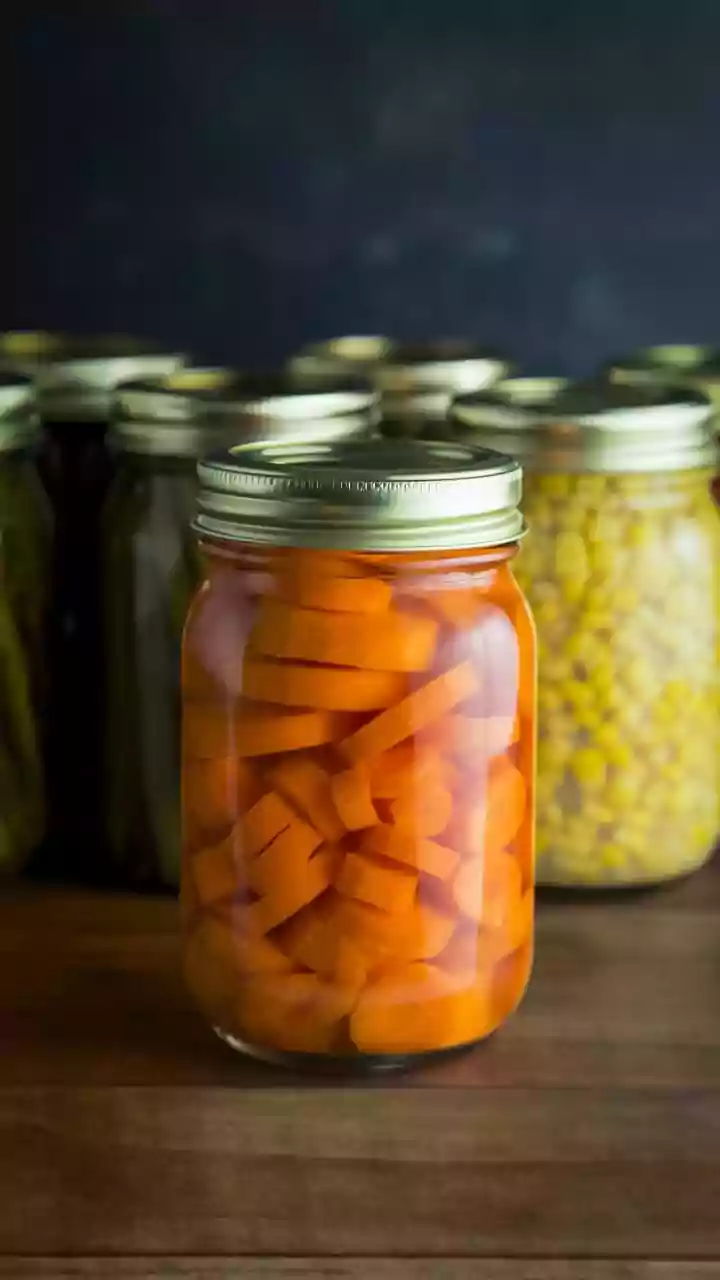
While this might seem like a new trend, fermentation is one of the oldest food preservation methods known to humanity, with evidence dating back thousands of years across cultures, including in the Indus Valley. Many traditional Indian pickles, like the popular 'nimbu ka achaar' (lemon pickle), have historically been made without oil, relying on salt and the sun to trigger fermentation. What’s new is the conscious revival of this technique in urban homes, not just for preservation but specifically for its health advantages. The modern pantry is embracing this age-old wisdom, experimenting with a variety of vegetables like carrots, beets, and cauliflower, often inspired by global counterparts like kimchi and sauerkraut.
Why Less Oil is Gaining Appeal
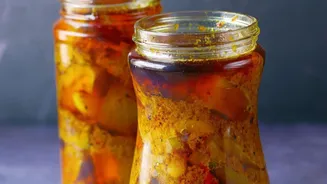
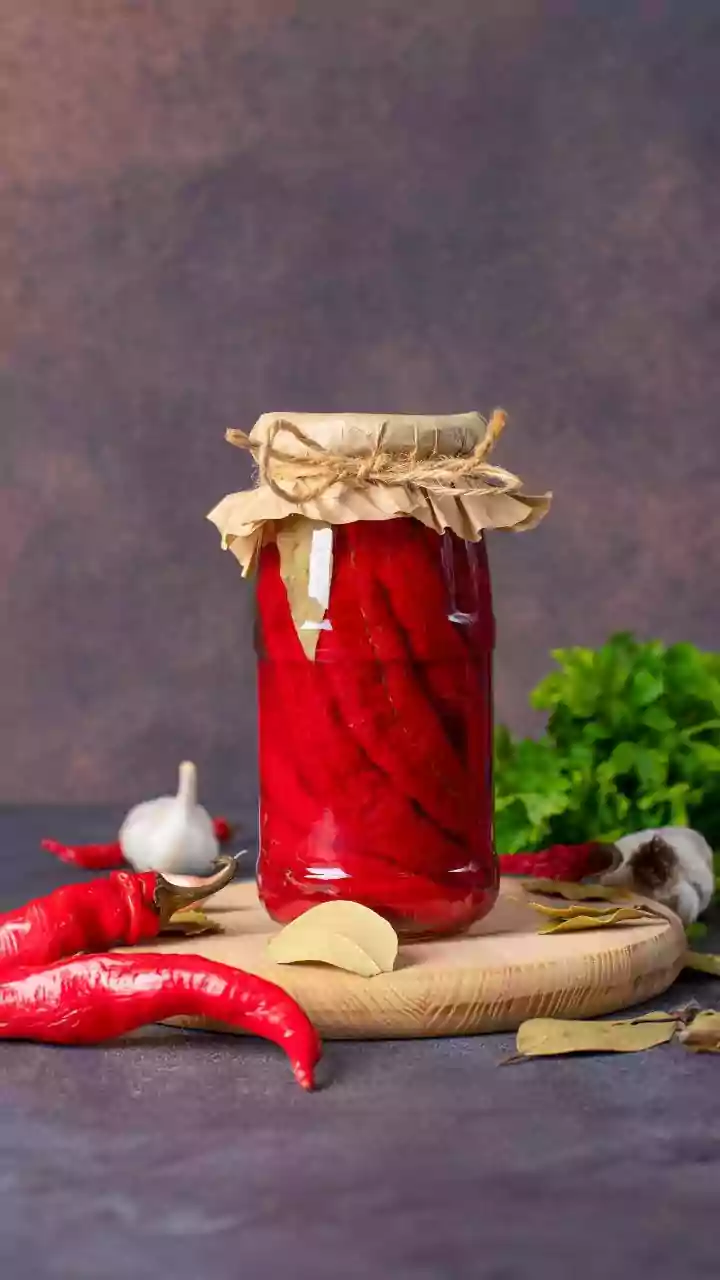
Traditional Indian pickles are often submerged in a thick layer of mustard or sesame oil. While oil acts as an excellent preservative and adds a unique flavour, many modern consumers are seeking lighter alternatives. Oil-free fermented pickles offer the same tangy punch and long shelf life without the high calorie count and fat content associated with their oil-based counterparts. This makes them a more appealing daily condiment for those managing their weight or focusing on heart health. The flavour profile is also different; instead of the richness of oil, you get a clean, sharp sourness that allows the taste of the vegetables and spices to shine through.
The DIY Fermentation Culture
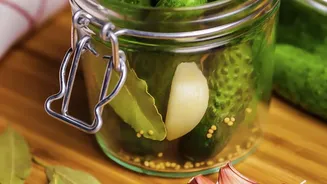
Part of the appeal of oil-free fermented pickles is how easy they are to make at home. The process requires minimal equipment: just a glass jar, salt, water, and your vegetables of choice. This accessibility has fueled a DIY culture among urban food enthusiasts, who enjoy the process of creating their own unique pickle blends with different spices like dill, garlic, and mustard seeds. Making pickles at home gives people full control over the ingredients, ensuring there are no artificial preservatives or excessive salt. This hands-on approach connects people with their food in a meaningful way, turning a simple condiment into a rewarding kitchen project.