





Step 1: The Weekly Audit
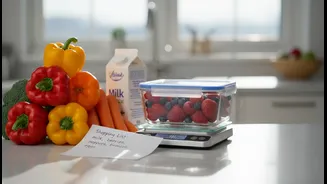
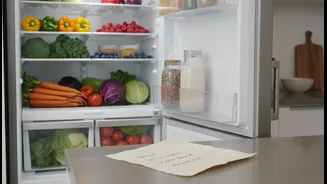
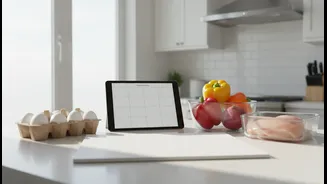
Before you can make a plan, you need to know what you’re working with. Set aside 15-20 minutes once a week—perhaps Sunday evening—to take a quick inventory of your kitchen. Open your fridge, freezer, and pantry with one goal: to find the ingredients that
need to be used soon. This includes produce that’s starting to wilt, dairy nearing its expiry date, leftovers from the past few days, and all those open packets of spices, grains, or snacks. Don't get distracted by deep cleaning yet; this is purely an information-gathering step. Jot down a quick list on your phone or a notepad. This list is the foundation of your plan for the week ahead.
Step 2: Create a 'Use-First' Zone
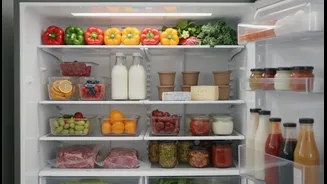
Once you've identified the at-risk items, give them a dedicated home. Designate a specific bin or shelf in your refrigerator and label it 'Use First'. This simple trick, often used by professional organisers, acts as a powerful visual reminder. All the items from your audit list—the half-used tub of yogurt, the remaining bell pepper, the leftover dal—go into this zone. Do the same in your pantry. Group all the open bags of chips, biscuits, and almost-empty boxes of cereal together. This strategy ensures that whenever someone in the household is looking for a snack or an ingredient, they are prompted to reach for these items first, drastically cutting down on forgotten food.
Step 3: Plan Meals Around Open Packs
Now, look at your 'Use-First' list and start connecting the dots. The goal is to build the first few meals of your week around what you already have, not what you need to buy. That half-packet of paneer, some leftover capsicum, and an open jar of pasta sauce could become a quick paneer stir-fry or a simple pasta dish. That small amount of besan can be used for cheelas for breakfast. Think of these open packs as your core ingredients. This approach reverses the typical meal planning process; instead of deciding on recipes and then shopping, you're letting your inventory guide your cooking, which is a key strategy for minimising waste and saving money.
Step 4: Integrate the Leftovers
Leftovers shouldn't be an afterthought; they should be treated as valuable pre-prepped ingredients. The secret is to transform them into something that feels new. That leftover rice can easily become vegetable fried rice with the addition of some frozen peas and a few sauces. A bowl of plain dal can be turned into dal parathas for the next day's lunch. Cooked chicken can be shredded for sandwiches, wraps, or added to a quick soup. By planning to repurpose these cooked items, you not only avoid the monotony of eating the same meal twice but also ensure that perfectly good food is eaten and enjoyed rather than discarded.
Step 5: Write a Smart Shopping List
Only after you have planned meals around your existing inventory should you write a grocery list. Your list will now be much shorter and more focused. You're no longer buying ingredients for seven entirely new dinners, but rather 'topping up' to complete the meals you've already planned. If you decided on a paneer stir-fry, you might only need to buy an onion or some ginger. For the dal parathas, perhaps you just need fresh coriander. This targeted approach prevents you from double-buying items you already have and keeps your pantry from accumulating yet another set of open packets.
Step 6: The Final Reset
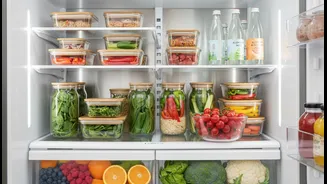
With a plan in place and your shopping done, it's time for the final reset. Give your empty fridge shelves and pantry a quick wipe-down. As you put your new groceries away, use the 'First In, First Out' (FIFO) method popular in professional kitchens: move older items to the front and place new ones at the back. This applies to everything from cans of beans to tubs of yogurt. Taking a few minutes to properly decant new staples like rice or lentils into airtight, transparent containers also helps. This makes it easier to see what you have at a glance and keeps your kitchen organised for the week ahead.