

A Taste of Tradition and Togetherness
For many families, making Diwali sweets at home is about much more than just the final product; it's a cherished ritual. The process itself is a bonding experience, bringing generations together to roll ladoos or shape gujiyas. These moments are steeped
in nostalgia, with recipes passed down from grandparents acting as a delicious link to family history. Preparing these sweets is a way of preserving and passing on a cultural legacy. The act of cooking becomes a celebration in itself, filling the home with aromas of cardamom, saffron, and ghee that create a festive atmosphere no store-bought box can replicate. It's an expression of love and togetherness, where the effort and care are the most important ingredients.
The Purity of an Offering
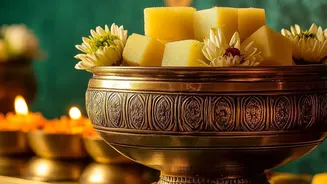
In Indian culture, food prepared for festivals often holds spiritual significance. Sweets are traditionally offered to deities as 'prasad' or 'naivedyam' during prayers before being shared among family and friends. Making them at home ensures a level of purity and devotion that is central to the offering. Using high-quality, 'satvik' ingredients like ghee, milk, and nuts is a way of showing respect and gratitude. This devotional aspect elevates homemade sweets from a simple dessert to a blessed offering, symbolising good luck, prosperity, and auspicious beginnings for the household.
Control, Quality, and Health
In an era of increased health consciousness, knowing exactly what goes into your food is a significant advantage. Preparing mithai at home gives cooks complete control over the ingredients. This allows for adjustments like reducing sugar, using jaggery as an alternative sweetener, or choosing high-quality ghee and nuts. With concerns about adulteration in commercial sweets, especially during the high-demand festival season, homemade options provide peace of mind. Families can ensure their festive treats are not only delicious but also made with the freshest and purest ingredients, free from unwanted additives. This has become a key reason many are returning to their home kitchens for festival preparations.
A Playground for Creativity
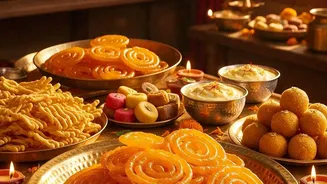
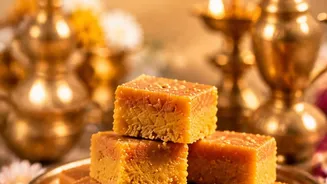
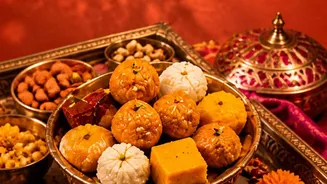
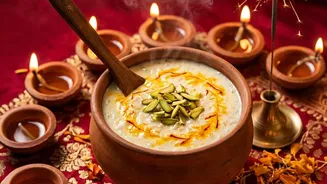
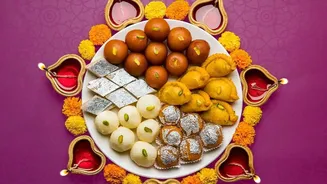
While traditional recipes like Besan Ladoo, Kaju Katli, and Gulab Jamun remain festival mainstays, the home kitchen has also become a laboratory for innovation. Home cooks are increasingly experimenting with fusion desserts that blend Indian flavours with Western techniques. Think of creations like Rasmalai cake, Motichoor cheesecake jars, or cardamom-spiced chocolate truffles. This creative outlet allows people to put a personal spin on their festive offerings, catering to modern palates while honouring traditional tastes. The ability to customize—whether it's adding a new flavour or adapting a recipe to be healthier—makes the process deeply personal and rewarding.
The Unique Joy of Giving
Exchanging boxes of sweets is a cornerstone of Diwali celebrations, a gesture that strengthens community ties. A homemade sweet carries a special kind of warmth. It communicates a level of thought and personal effort that a store-bought gift often cannot. When you gift someone a container of homemade mithai, you are sharing more than just food; you are sharing a piece of your home, your tradition, and your time. This simple act of giving something made with your own hands transforms the exchange into a deeply personal expression of love and good wishes for the festive season.