






Understanding the Conflict
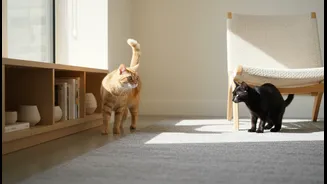
Cats are naturally territorial creatures. In the wild, they defend a home range to protect resources like food, water, and safe resting spots. An apartment, no matter how loving, is a small territory with finite resources, which can amplify this instinct.
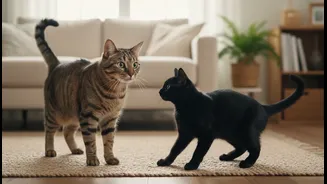
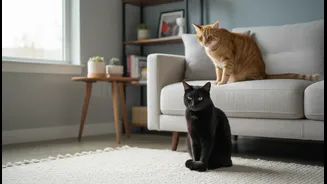
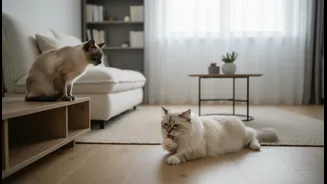
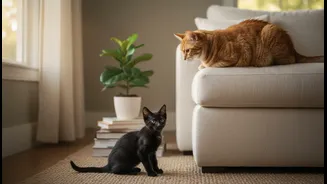
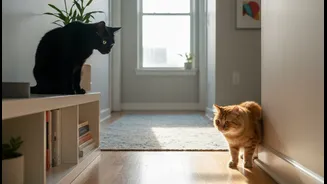
When one cat feels another is encroaching on their food bowl, favorite sleeping spot, or even a path to the litter box, it can trigger what behaviorists call 'resource guarding' or space aggression. This isn't your cat being 'mean'; it's an instinctual response to perceived scarcity and a threat to their security. The signs can be obvious, like hissing and swatting, or incredibly subtle, such as one cat staring at or blocking another from entering a room.
Step 1: The 'Reintroduction' Reset
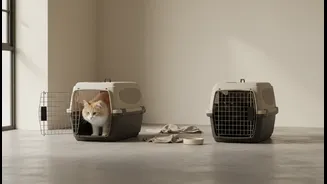
If your cats are already in conflict, the first and most critical step is a complete separation. This may feel like a step backward, but it's essential to de-escalate their stress and fear. You are hitting the reset button on their relationship by creating a clean slate. Confine the new cat to a single room with its own food, water, litter box, and toys. This not only gives the newcomer a safe space to decompress but also allows the resident cat's anxiety levels to return to normal. The goal is to remove them from a state of constant conflict so you can reintroduce them as if they have never met before.
Step 2: Master the Scent Swap
Cats navigate their world primarily through scent. Before they can tolerate seeing each other, they must become comfortable with each other's smell. Begin a 'scent exchange' program. Take a small towel or blanket, gently rub it on one cat to collect its scent, and then place it in the other cat's space. Do the reverse with a separate towel. This allows them to investigate the other's presence passively and without threat. You can also swap their rooms for short periods, letting each cat explore the other's territory and scent markers without direct confrontation. This gradual exposure helps their brains categorize the other cat's smell as a normal, non-threatening part of the environment.
Step 3: Positive Visual Association
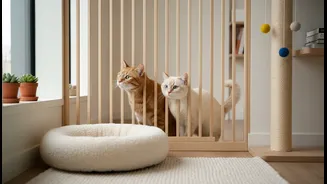
Once the cats are calm with scent swapping, you can begin short, controlled visual introductions. The key is to ensure they can see each other but not physically interact. A baby gate in the doorway of the separated room is an excellent tool for this. Let them see each other for very brief periods, associating the sight with something positive. Feeding them on opposite sides of the gate is a highly effective method. This starts to build a new association: 'When I see that other cat, something good (food!) happens.' Keep these sessions short and end on a positive note, well before any hissing or staring begins. If they show signs of stress, you've moved too fast; simply go back to the previous step for a few more days.
Step 4: Create a World of Plenty
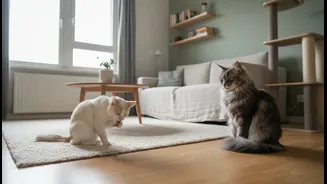
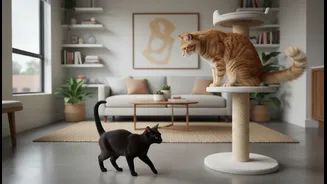
While you're working on introductions, re-evaluate your apartment layout to minimize competition. The universal rule recommended by behaviorists is 'N+1', where N is the number of cats in your home. This means for two cats, you should have at least three litter boxes, three water sources, and multiple feeding stations. Crucially, spread these resources out. Don't put all the litter boxes in one room where one cat can guard the entrance. Ensure there are plenty of vertical spaces, like cat trees and shelves, which act as escape routes and allow cats to share a room by occupying different levels. By creating an environment of abundance, you remove the primary trigger for territorial aggression.
Step 5: Supervised Time Together
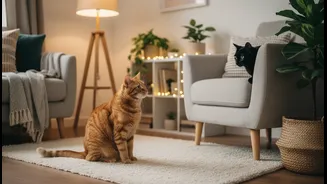
When your cats can eat calmly on opposite sides of the gate, it's time for short, supervised interactions in the same room. Start with just a few minutes. Engage them in parallel activities, like playing with separate wand toys or giving them high-value treats at a safe distance from each other. The goal is for them to share space while focused on something enjoyable. It's crucial to read their body language. Relaxed ears and tails are good signs; flattened ears, twitching tails, or low growls mean the session needs to end immediately. Always end the interaction before any tension builds, gradually increasing the duration as they remain calm.