


A Baffling Decision at the Toss
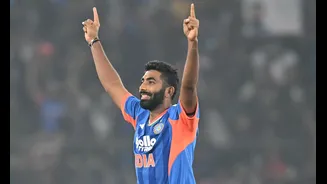
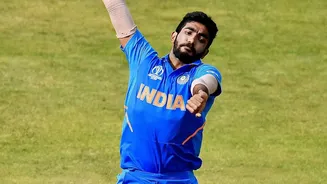
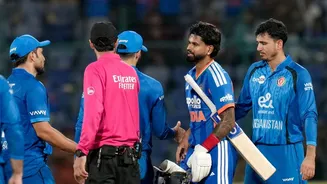
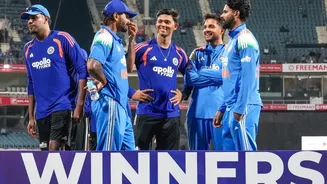
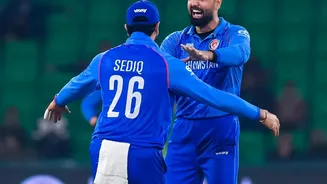
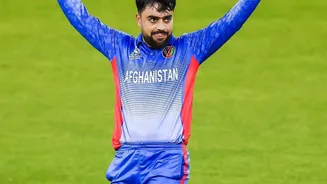
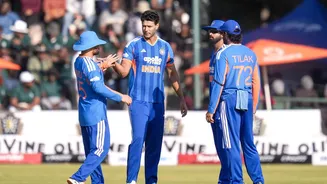
It was a moment that left fans and experts bewildered. As captain Shreyas Iyer walked out for the toss in the first T20I against Afghanistan, the expectation was that Vaibhav Sooryavanshi, the boy wonder who had taken the cricketing world by storm, would
finally consolidate his place. Instead, Iyer delivered a confusing explanation, confirming the teenager was not in the playing XI. For a player who represents the future of Indian cricket—fearless, aggressive, and unbelievably talented—the decision to leave him warming the bench felt less like a strategy and more like a significant miscalculation. The move immediately put the team management’s judgment under the microscope.
What More Does He Have to Do?
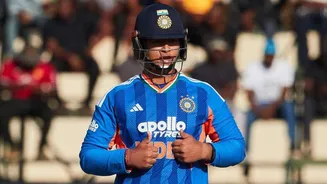
Let’s recap what the selectors chose to ignore. At just 15, Sooryavanshi is not merely a promising youngster; he is a proven match-winner at the highest level of T20 cricket. He made history by becoming the youngest player and centurion in the IPL. In the 2026 season for Rajasthan Royals, he didn't just participate; he dominated. He won the Orange Cap by scoring a staggering 776 runs and set a new world record by hitting 72 sixes in a single T20 tournament. His batting isn't just about runs; it’s about a strike rate that demolishes opposition morale and a self-belief that is rare even in seasoned veterans. He was fast-tracked into the Indian team in July 2026, becoming the nation’s youngest-ever senior player for a reason. Dropping a player in such scintillating form defies all cricketing logic.
The 'Safe' Choice Falters
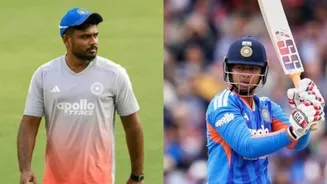
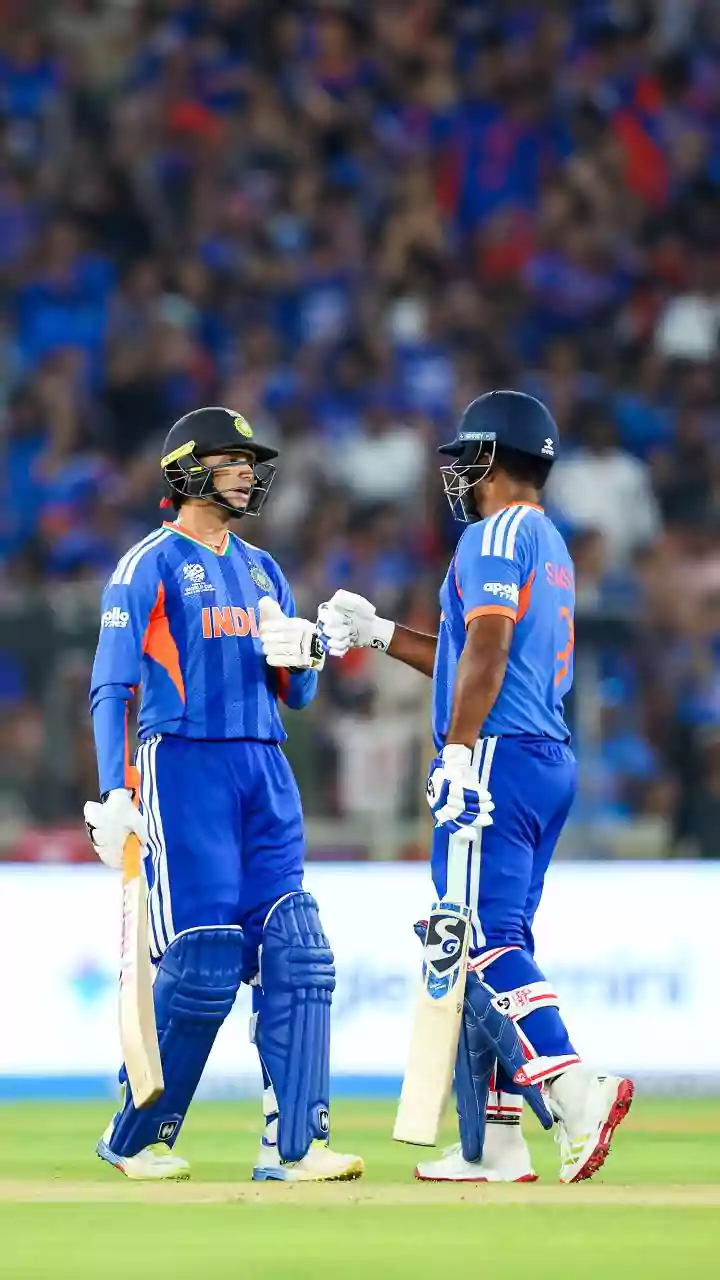
The irony of the situation was painfully clear moments later. Sanju Samson, the experienced campaigner chosen ahead of the young prodigy, walked out to open the innings. His stay at the crease was brief and uneventful, scoring just 10 runs off 8 balls before gifting his wicket away. While one failure does not define a player, the contrast was stark. The team opted for a perceived safe and experienced hand over a player with explosive potential, and the safe hand failed to deliver. It highlighted the very risk of being too conservative. In T20 cricket, momentum is everything, and Sooryavanshi is a momentum machine. By benching him, India not only lost his potential contribution but also sent a message that playing it safe is prioritized over playing to win.
The Flawed Logic of 'Protection'
The inevitable argument from the management would be about protecting a young player from burnout or pressure. But this logic is outdated in the context of modern T20 cricket and this specific player. Sooryavanshi has already thrived under the immense pressure of the IPL, the world’s toughest T20 league, outperforming global superstars. His entire career, from making his first-class debut at 12 to leading India's U-19 World Cup victory, has been about handling pressure. The idea that he needs to be shielded now, after proving his mettle on the biggest stages, seems patronizing. True player management isn't about wrapping players in cotton wool; it's about backing them when they are in peak form. By denying him a chance, the selectors are not protecting him; they are simply delaying the inevitable and wasting his golden touch.
A Failure of Vision
This decision is more than just a single selection error; it points to a deeper, more worrying issue within India's T20 strategy. For years, India has been criticized for its conservative approach in the shortest format, often relying on reputation rather than current form and impact. The T20 game has evolved. It rewards courage, innovation, and unadulterated aggression—all qualities that Vaibhav Sooryavanshi embodies. To have a weapon like him in your arsenal and choose not to use him is a failure of vision. It suggests that the think tank is still stuck in an old-school mindset, unable to fully embrace the very revolution that the IPL started. The path from a great team to a champion team is paved with bold decisions, not cautious half-measures.