




For decades, the Yamuna has flowed through Delhi more as a forgotten backyard than a celebrated centerpiece. Now, a new initiative is inviting residents to see the river in a fresh light, sparking hopes for urban renewal and a revived connection to the city's
lifeline.
A New Journey on an Old River
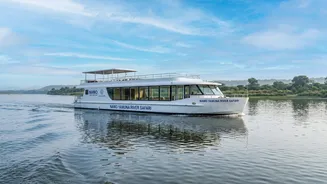
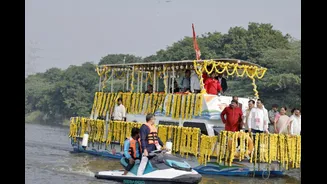
Delhi has officially launched the 'Namo Yamuna Safari', a recreational cruise service designed to reintroduce the city to its iconic river. Inaugurated on November 10, 2026, this project marks a significant step in the capital's efforts to develop river-based tourism. The safari operates on a roughly six-kilometre stretch of the Yamuna, ferrying passengers between a newly developed terminal at Sonia Vihar and Jagatpur. This initiative, a collaboration between the Inland Waterways Authority of India (IWAI) and various Delhi government agencies, aims not just to provide a new leisure activity but to foster a deeper public engagement with the river. Officials hope that by bringing people closer to the Yamuna, it will galvanise support for its ongoing rejuvenation.
The Safari Experience: What to Expect
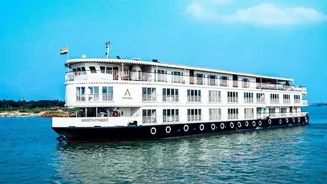
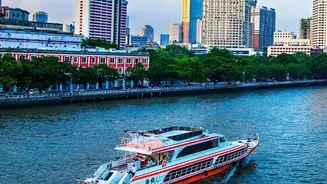
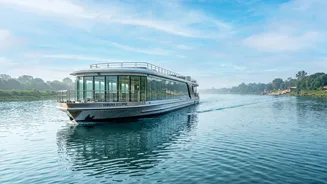
The safari features a 30-seater, eco-friendly electric vessel, ensuring a quiet and non-polluting journey on the water. The boat is air-conditioned and equipped with safety features like life jackets and an onboard bio-toilet to prevent any discharge into the river. A round trip takes approximately 40 minutes, offering a unique perspective of the city's riverfront. Tickets for the cruise are priced at ₹500 per person, with an additional entry fee of ₹50 for the terminal premises at Sonia Vihar. Bookings can be made online through the Delhi Tourism website or on-site, with services running daily. The terminal area itself has been developed as a recreational hub, featuring a food court, children's play area, and plans for a musical fountain with a light-and-sound show.
More Than Just a Boat Ride
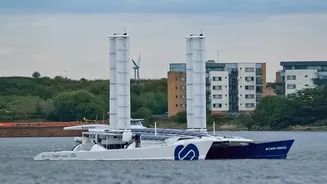
The Namo Yamuna Safari is positioned as a cornerstone of a much larger vision for the Yamuna. The stretch of the river from Wazirabad to Okhla has long been a focus for restoration, and this tourism project is seen as a way to make the progress tangible for the public. The Delhi government has been studying the Sabarmati Riverfront in Ahmedabad as a model for its own ambitious plans to develop walkways, cycling tracks, parks, and public spaces along the Yamuna's banks. By creating accessible and attractive recreational zones, the authorities aim to transform the river from a neglected waterway into a vibrant public asset. The use of electric vessels for the safari underscores a commitment to sustainable development, aligning the project with broader environmental goals.
Navigating the Challenges Ahead
While the safari is a welcome development, it operates against the backdrop of the Yamuna's wellndocumented pollution challenges. The success and expansion of such initiatives are intrinsically linked to the monumental task of cleaning the river. Officials have acknowledged that visible improvements in water quality will take time, pending the completion of major sewage treatment plant upgrades. The safari currently operates on the relatively cleaner upstream stretch north of the Wazirabad barrage, but the longterm viability of river tourism depends on the health of the entire 52km stretch that flows through Delhi. Therefore, the cruise serves as both a symbol of progress and a reminder of the extensive environmental work that remains. The service will also be suspended annually during the monsoon season, from July 1 to September 30, due to the river's changing conditions.