




Why August is a Prime Sowing Month
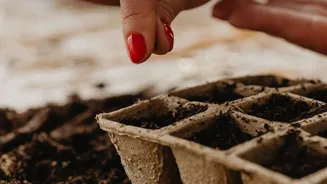
In many parts of India, August marks a sweet spot in the gardening calendar. The intense heat of summer has passed, and the late-monsoon air is still humid, creating ideal conditions for seed germination. Sowing now allows plants to establish their roots
using the residual moisture in the soil before the drier, cooler months arrive. This timing is perfect for growing a fresh round of vegetables for an autumn harvest, and even some flowers that will be ready for the upcoming festival season. The key challenge during this period is managing water; while the rains are a blessing, good drainage is essential to prevent pots from becoming waterlogged.
The Critical Role of Container Depth
The single most important decision in container gardening is matching the plant to the pot. Container depth directly impacts root health, which governs the entire plant's growth. A pot that’s too shallow cramps the root system, stunting the plant and drastically reducing your harvest. Deeper pots hold more soil, which means they retain moisture longer and provide better insulation against temperature swings—a common issue for containers sitting in the sun. A larger soil volume also provides more space for roots to spread out and access the nutrients they need to support lush foliage and abundant fruit.
Shallow Pots (4-6 Inches Deep)
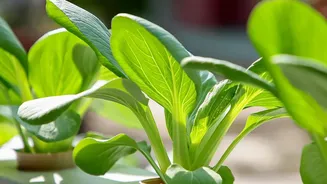
Shallow containers are perfect for plants with fibrous, shallow root systems. These are typically fast-growing leafy greens and herbs that you can harvest multiple times. Because they hold less soil, these pots dry out quickly and require more frequent watering, sometimes daily in hot weather. Good drainage is paramount. What to Plant: - Leafy Greens: Spinach (Palak), Lettuce, Amaranth (Chaulai), and Fenugreek (Methi) are excellent choices. - Herbs: Coriander (Dhania), Mint (Pudina), and Basil thrive in these conditions. - Root Vegetables: Quick-growing radishes (Mooli) don't need much depth and can be ready for harvest in just a few weeks.
Medium Pots (8-10 Inches Deep)
A medium-depth container offers more versatility and a better buffer against drying out. This size can support plants that need a bit more root space to produce, including some root vegetables and bushier plants. What to Plant: - Bush Beans: Varieties like French beans and cluster beans (Gwar) do well in medium pots and appreciate the monsoon humidity. - Root Vegetables: Carrots and beets will have enough room to develop properly, provided the soil is loose and not compacted. - Fruiting Vegetables: Compact or dwarf varieties of brinjal (eggplant) and capsicum can be grown successfully in 10-inch pots.
Deep Pots (12+ Inches Deep)
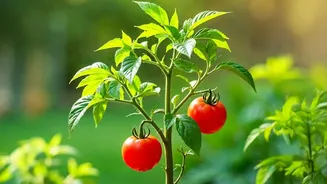
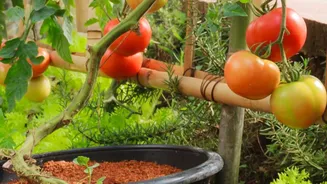
For serious vegetable production, deep containers are a must. Any plant that produces large fruit or grows into a substantial bush needs a deep root system for stability and nutrition. These pots are more forgiving with watering and provide the foundation for a heavy harvest. What to Plant: - Tomatoes: Especially indeterminate varieties that vine, require a deep pot of at least five gallons (around 12 inches deep) to flourish. - Brinjal (Eggplant): Larger varieties need ample space for their extensive root systems. - Okra (Bhindi): This monsoon favourite has a strong taproot and performs best in a pot that is at least 10-12 inches deep. - Gourds: Vining plants like bottle gourd (Lauki) and bitter gourd (Karela) need large containers, at least 15-18 inches deep, to support their vigorous growth and heavy fruits.
Tips for August Sowing Success
Beyond choosing the right pot, a few extra steps can ensure your late-monsoon garden thrives. First, use a well-draining potting mix; never use heavy garden soil, which compacts and drowns roots in a container. A mix of cocopeat, compost, and perlite is ideal for retaining moisture while allowing excess water to escape. Second, be vigilant about watering. Check the soil daily by sticking a finger an inch or two deep. If it feels dry, water thoroughly. If it's moist, wait. Finally, ensure your chosen spot gets at least 5-6 hours of sunlight, which is crucial for most vegetable plants to produce fruit.