
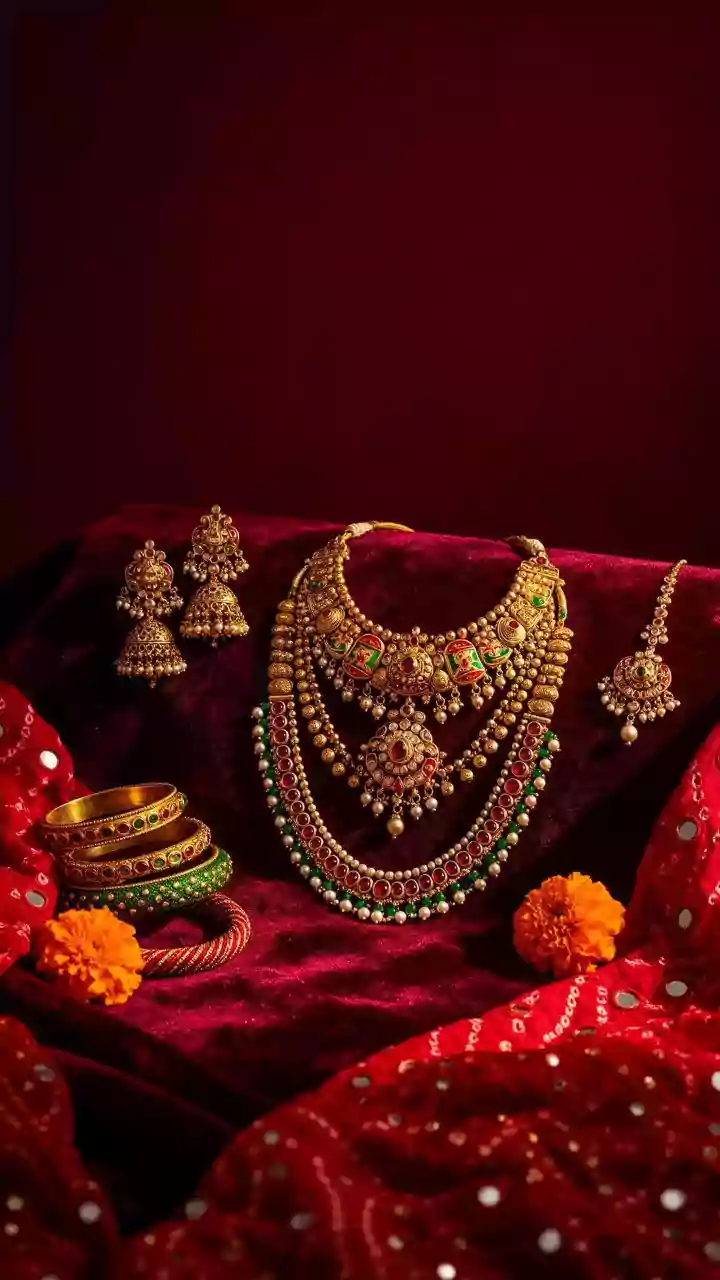





From Asset to Accessory
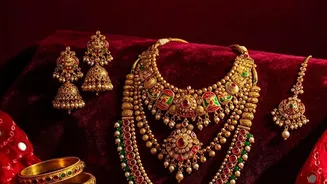
For generations, the value of festive jewellery in India was a simple calculation of weight and purity. Gold was, and remains, a primary form of investment and financial security, with its worth intrinsically tied to its heft. Heavy necklaces and stacks
of bangles were not just adornments but symbols of wealth and status, often purchased during festivals and weddings and then safely stored in bank lockers. Today's young buyers, however, are redefining this equation. While gold's role as an asset remains important, they are increasingly drawn to pieces where the artistry, craftsmanship, and design hold as much, if not more, value than the raw material. This marks a significant pivot from viewing jewellery purely as an investment to be stored, to seeing it as an accessory to be worn and enjoyed.
The Rise of 'Cost-Per-Wear'
The modern Indian's lifestyle is dynamic, and they expect their jewellery to keep up. The heavy, ornate sets of yesteryear, often reserved for a handful of special occasions, feel impractical to a generation that values experiences and versatility. Young consumers are instead opting for lightweight, minimalist, and modular pieces that can transition seamlessly from an office meeting to a festive party or a casual brunch. Think delicate, stackable rings, convertible earrings, and fine chains with detachable pendants. This concept of 'cost-per-wear' is gaining ground; a piece that can be worn frequently across different settings is seen as a smarter, more valuable purchase than an expensive item that spends most of its life in a locker. This shift is especially pronounced as rising gold prices encourage consumers to seek affordability and practicality.
An Expression of Individuality
This trend is also deeply rooted in a generational move towards individualism and self-expression. Where previous generations may have prioritised jewellery that signalled family status, millennials and Gen Z see their choices as a reflection of personal style. They are less concerned with conforming to traditional aesthetics and more interested in pieces that tell a story or resonate with their unique personality. Social media platforms like Instagram and Pinterest have accelerated this change, exposing young buyers to a world of global trends, independent designers, and innovative styling. This has fuelled demand for unique, design-led jewellery, including pieces made with alternative materials like silver, platinum, and lab-grown diamonds, which offer new avenues for expression.
How the Industry Is Adapting
India's jewellers are taking note of this fundamental shift. Many legacy brands are launching lightweight collections and sub-brands specifically targeting younger, style-conscious consumers. Marketing campaigns are evolving, moving away from a singular focus on bridal and wedding occasions to highlight everyday moments, personal achievements, and self-gifting. The narrative is changing from 'buy this for your locker' to 'wear this for your life'. Furthermore, the rise of direct-to-consumer online brands has democratised the market, offering a wider array of contemporary designs at accessible price points. These brands often lead with a design-first philosophy, building a following based on aesthetics and brand storytelling rather than the weight of the gold. This competitive pressure is encouraging the entire industry to innovate, focusing more on design, wearability, and meeting the modern consumer's desire for both beauty and utility.