



The Plant Protein Puzzle
When we talk about protein and minerals from plant sources, the word 'bioavailability' is key. This term refers to how much of a nutrient your body can actually absorb and use. Plant-based foods are rich in a type of iron called non-heme iron. While essential
for energy and oxygen transport, non-heme iron is harder for our bodies to absorb compared to heme iron found in animal products. Foods like legumes, whole grains, and nuts contain compounds called phytates, while tea and coffee have tannins and polyphenols, all of which can reduce non-heme iron absorption. This means that even if you're eating plenty of iron-rich plants, you might not be getting the full benefit.
Vitamin C to the Rescue
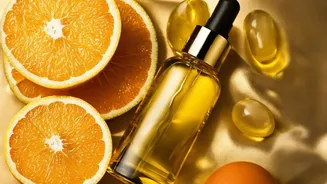
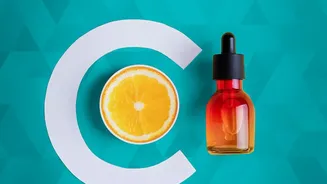
This is where vitamin C, or ascorbic acid, becomes a nutritional superhero. It is a powerful enhancer of non-heme iron absorption. The science is quite elegant: Vitamin C helps convert the iron from its ferric (Fe3+) state, which is poorly absorbed, into its ferrous (Fe2+) state, the form our intestines can readily take in. It also forms a protective, soluble compound with the iron, keeping it available for absorption even in the alkaline environment of the small intestine and preventing it from being blocked by inhibitors like phytates. Studies show that adding even a modest amount of vitamin C to a meal can increase iron absorption several times over.
Breakfast Boosts and Smart Snacks
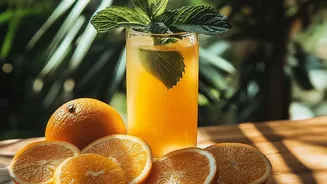
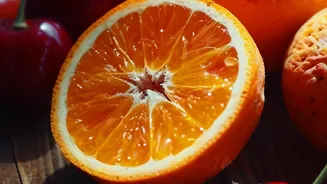
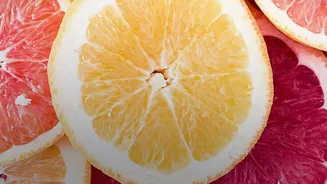
Starting your day with this power pairing is simple. If you enjoy oatmeal, top it with strawberries, kiwi, or a handful of pumpkin seeds and a squeeze of fresh orange juice. A tofu scramble becomes an absorption powerhouse when you sauté it with chopped tomatoes and bell peppers (capsicum). For a quick snack, instead of just a handful of nuts, pair them with a Vitamin C-rich fruit like an orange or some amla (Indian gooseberry), which is one of the most potent sources of the vitamin. A fruit smoothie with a handful of spinach blended in is another excellent way to combine these nutrients effortlessly.
Upgrade Your Lunch and Dinner
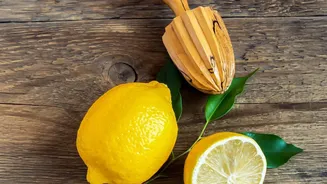
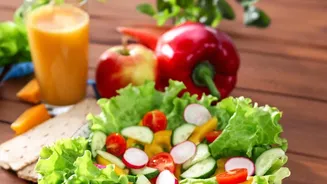
This strategy is incredibly easy to apply to staple Indian meals. A traditional dal or lentil soup is a perfect base. Simply squeezing a generous amount of lemon juice over your bowl right before eating can make a significant difference. When preparing a chickpea or bean curry, ensure tomatoes are a key part of the base. Serve your sabzi or curry with a side of lightly steamed broccoli or a kachumber salad made with tomatoes, onions, and cucumber with a lemon dressing. Even adding finely chopped capsicum to your quinoa or rice pilaf adds both flavour and a vitamin C boost.
A Note on Timing and Inhibitors
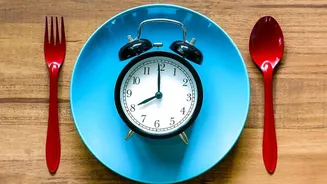
Just as important as what you add is what you avoid—or at least, when you consume it. Polyphenols and tannins, found in high concentrations in coffee and tea, can significantly inhibit iron absorption by up to 60-90%. To maximise the benefits from your iron-rich meals, it's best to enjoy your cup of chai or coffee at least an hour before or two hours after eating. Similarly, large amounts of calcium from dairy products can compete with iron for absorption, so it's wise to not consume them with your main iron-focused meal if deficiency is a concern.