





The Great Spice Divide at Home
In many Indian households, mealtime can feel like a negotiation. Adults often crave the complex, layered heat of traditional cuisine, while children's developing palates may find those same flavours overwhelming. This 'spice divide' frequently leads to
one of two outcomes: bland, kid-friendly meals that leave adults unsatisfied, or the exhausting task of cooking separate dishes for different family members. This not only creates more work in the kitchen but also reduces the opportunity for families to connect over a shared meal. The good news is that bridging this gap is simpler than you might think. The solution lies not in compromise, but in customisation.
Embrace the 'Deconstructed' Meal
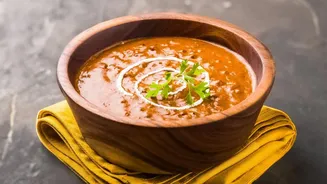
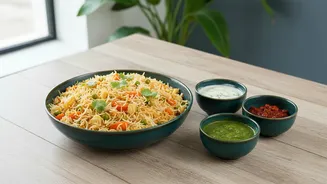
The most effective strategy is to cook a neutral, flavourful base that everyone can enjoy. Think of it as a delicious blank canvas. This core dish should be aromatic but not spicy. For example, prepare a simple dal, a mild vegetable curry, or a basic rice pulao. The key is to keep the heat out of the main pot. Once the base is ready, the magic happens on the side. Adults can then add their desired level of spice directly to their own plates. This approach ensures that children eat the same core meal as the adults, fostering a sense of inclusion and shared experience at the dinner table. It also respects everyone's individual preferences without creating extra work.
Create a 'Flavour Station'
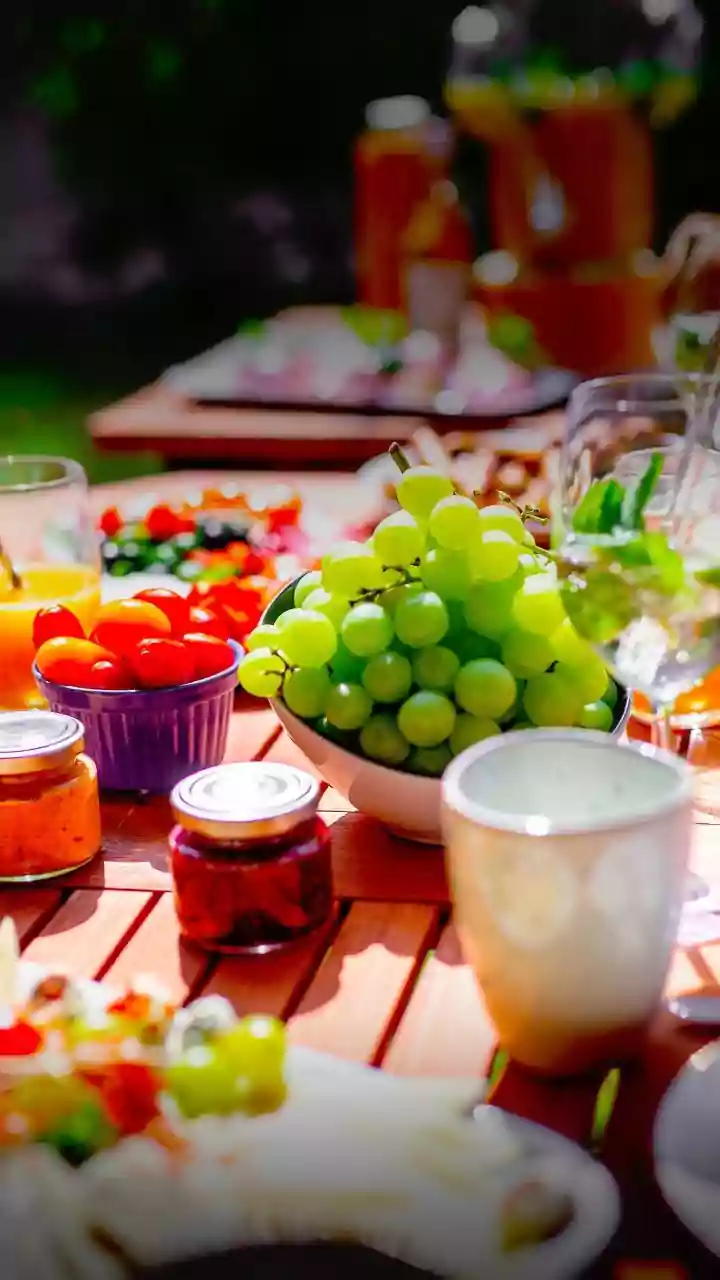
Turn spice adjustment into a fun, interactive activity by setting up a 'flavour station' or 'topping bar' on the table. This empowers everyone, especially children, to become the masters of their own plate. For the adults, this station can include a variety of heat-packed options: a fiery tadka (tempering) of oil, mustard seeds, and dried red chilies to pour over dal; a bowl of finely chopped green chilies and ginger; a spicy pickle or achar; or a homemade chili-garlic oil. Alongside these, include cooling or contrasting elements that appeal to all, such as fresh coriander, lemon wedges, and bowls of plain yogurt or raita. This not only solves the spice issue but makes mealtime more engaging.
Split-Batch Cooking and Smart Marinades
This technique works wonderfully for dishes like kebabs, tikkas, and grilled vegetables. Simply divide your ingredients into two batches before adding the spice. Create a mild marinade for the children, perhaps with yogurt, ginger-garlic paste, and gentle spices like turmeric and coriander powder. For the adult batch, you can add red chili powder, garam masala, or a spicier marinade paste. Both batches can be cooked at the same time, significantly cutting down on effort while still delivering two distinct flavour profiles. This method feels like you've cooked two different meals, but with the efficiency of preparing just one.
A Gentle Introduction to Spice
An added benefit of the adjustable spice method is that it provides a gentle, pressure-free way to introduce children to a wider world of flavours. When kids see their parents enjoying spicy additions, their curiosity is often piqued. By having control over their own food, they might be tempted to try a tiny spoonful of the spicy chutney or a drop of the flavourful oil. Dieticians note that children's food doesn't have to be bland, and introducing aromatic herbs and mild spices from an early age can support a wider acceptance of different foods later on. Offering spicy dips or toppings on the side allows them to taste at their own pace, making the experience positive rather than intimidating.