




The End of the Off-Season
For decades, the Indian tourism industry operated on a predictable cycle: peak seasons in summer and winter, with a long, quiet lull during the monsoon months. That calendar is now being completely rewritten. What was once considered a travel spoiler
is now a powerful driver of domestic tourism. Major hospitality groups and travel platforms are reporting an unprecedented surge in demand for what was traditionally a lean period. Radisson Hotel Group, for instance, has seen July bookings pacing nearly 10% ahead year-on-year. In some destinations, the growth is staggering. Hill stations like Munnar and Mussoorie have recorded a nearly tenfold increase in hotel bookings compared to the same period last year, while destinations in the Western Ghats like Coorg and Lonavala have seen a sevenfold expansion.
What's Fuelling This Rainy Renaissance?
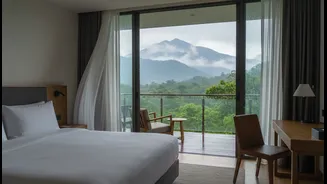
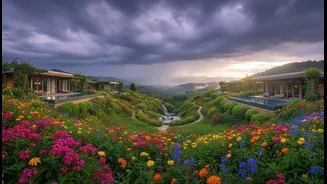
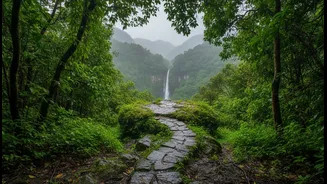
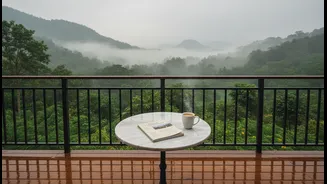
Several factors are contributing to this shift in travel behaviour. A key driver is the changing preference towards experience-led travel, where the unique ambience of the monsoon is the main attraction. Travellers are actively seeking out the lush landscapes, mist-covered hills, and overflowing waterfalls that define the season. This isn't just about finding a good deal; it's about a conscious choice to experience destinations at their most vibrant and authentic. The rise of flexible work schedules also plays a part, allowing for shorter, more spontaneous getaways. Many travellers are now making plans within just three days of their travel date, a significant shift from traditional long-term planning. Furthermore, while pricing in popular spots like Goa has become more resilient, the monsoon still offers significant value, with many travel companies rolling out attractive deals on flights and hotels.
From Misty Mountains to Rain-Washed Coasts
The demand for monsoon travel is geographically widespread. In the south, Kerala and the Western Ghats remain perennial favourites, with destinations like Coorg, Munnar, and Wayanad drawing crowds for their verdant coffee plantations and wellness retreats. Hill stations in the north are also booming. Himachal Pradesh and Uttarakhand have reported growth rates of up to 95% in footfall in some areas, with Shimla, Rishikesh, and Mussoorie seeing a significant uptick. Even the northeastern states of Nagaland and Arunachal Pradesh are emerging as standout performers, with a 62% year-on-year rise in flight bookings. Beyond the hills and coasts, heritage destinations like Udaipur and Jaipur in Rajasthan also continue to attract visitors who want to see the palaces and forts against a dramatic, cloudy sky.
How the Hospitality Sector is Adapting
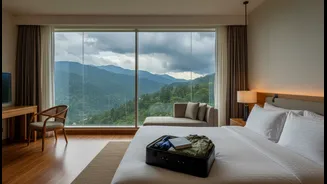
The hospitality industry is quickly adapting to this new reality. Hotels are no longer just waiting for the season to pass; they are actively curating monsoon-specific experiences. This includes everything from wellness packages and indoor recreational activities to special menus featuring seasonal comfort food and regional cuisine. Rather than deep discounts to fill rooms, many hotels are focusing on value-added promotions that enhance the rainy-day experience. This sustained demand helps create a more stable, year-round business model for an industry that was once heavily reliant on a few peak months. The shift is so significant that the question is no longer if the monsoon is a good time to travel, but rather which destination offers the best rainy-season itinerary.