









The Big Picture: Monsoon Activity This Week
The India Meteorological Department (IMD) has confirmed that the southwest monsoon is active, with widespread rainfall expected across many parts of the country through mid-July. While the monsoon has brought necessary rains for the agricultural season,
it also brings warnings for heavy to very heavy showers, particularly in eastern, northeastern, and northern states. The IMD forecasts that a fresh spell of rainfall with thunderstorms will continue until at least July 18 in some areas. However, other reports suggest that after this active phase, rainfall activity might become subdued over the plains of northwest, west-central, and south peninsular India for a period. For now, vigilance is key as multiple states are under alert.
Regions on High Alert
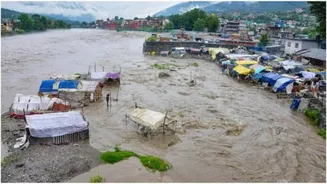
Several states are braced for significant rainfall. The IMD has issued alerts for heavy to very heavy rainfall in Northeast India, including Arunachal Pradesh, Assam, and Meghalaya, with some areas under a red alert for extremely heavy falls. Eastern states are also a focus, with warnings issued for Bihar, Jharkhand, Odisha, and Sub-Himalayan West Bengal. In North India, Uttarakhand and Himachal Pradesh are expected to continue receiving widespread rain, which has already led to landslides and road closures. An orange alert for heavy rainfall has also been issued for parts of Jammu and Kashmir. While Delhi experienced heavy showers and waterlogging in the past few days, the forecast for the capital on Sunday, July 12, is for generally cloudy skies with no significant rain expected.
Potential Disruptions to Daily Life
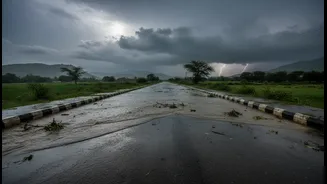
Heavy rainfall often leads to significant disruptions in daily routines. Commuters in major cities should be prepared for waterlogging and traffic congestion, as seen recently in Delhi-NCR where heavy downpours led to severe traffic snarls and flooded underpasses. In hilly regions like Uttarakhand, the danger is more severe, with continuous rain triggering landslides that have blocked national highways and other roads, posing risks to residents and pilgrims. Authorities have warned that localized flooding and reduced visibility can affect both road and air transport, with airlines previously issuing advisories for passengers to check their flight status. Power cuts and disruptions to other essential services are also a possibility during intense weather events.
Staying Safe: Practical Steps to Take
With heavy rain in the forecast, taking precautions is essential. Authorities across multiple states have advised residents to avoid unnecessary travel during periods of intense rainfall. If you must go out, check your route in advance for waterlogging or traffic diversions. Never drive or walk through flooded roads, as the depth of the water can be deceptive and currents can be strong. In areas prone to landslides, be extra vigilant and listen to local advisories. It is also wise to prepare a basic emergency kit at home with essentials like a torch, first aid supplies, and some non-perishable food in case of prolonged power outages. Farmers have been advised to ensure proper drainage in their fields and move harvested crops to safe storage.
Where to Get Official Updates
The weather situation can change rapidly. For the most reliable and up-to-date information, it is best to follow official sources. The India Meteorological Department (IMD) is the primary agency for weather forecasts and warnings in the country. You can follow their updates on their official website, their social media channels, or through their mobile apps. Many national and local news outlets also provide continuous coverage based on IMD alerts. Paying attention to these official channels will help you make informed decisions and stay safe during this active monsoon phase.