






Why Air Is Your Garden's Unseen Ally
Good air circulation is vital for plant health, especially in the confined space of a balcony. A gentle breeze does more than just rustle leaves; it strengthens stems, helping plants grow stronger and more resilient. It also plays a crucial role in preventing
diseases. When plants are packed too tightly, the air becomes stagnant and humid. This creates a perfect breeding ground for fungal diseases like powdery mildew and mold. Proper airflow helps leaves dry faster after watering or rain, significantly reducing the risk of these common problems. Furthermore, it ensures a steady supply of carbon dioxide, which plants need for photosynthesis—the process of creating energy to grow.
The Hidden Dangers of Plant Clutter
It’s tempting to squeeze in just one more pot, but overcrowding is one of the biggest mistakes a balcony gardener can make. When plants are too close, they are forced to compete for limited resources like sunlight, water, and nutrients. This constant competition weakens them, leading to stunted growth, yellowing leaves, and fewer flowers. A cluttered arrangement also makes it easier for pests to hide and spread from one plant to another. The dense foliage blocks light from reaching lower leaves and creates pockets of humid, still air that invite trouble. What starts as a vision for a lush paradise can quickly become a struggle to keep unhealthy plants alive.
Embrace Vertical Space
The solution to clutter isn't to have fewer plants, but to arrange them more intelligently. For small Indian balconies, thinking vertically is a game-changer. Using wall-mounted planters, tiered shelves, and railing planters allows you to display more plants without congesting the floor. This not only saves precious space but also improves airflow by separating the plants. Hanging baskets are another excellent way to add greenery at different heights, creating visual interest and allowing air to circulate more freely underneath. By elevating some plants, you ensure that every part of your garden gets the air and light it needs.
Strategic Pot Placement
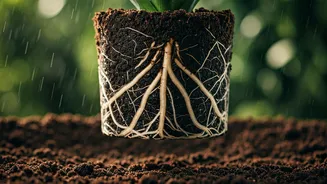
How you arrange your pots on the floor is just as important. Instead of a dense cluster, give each pot some breathing room. A simple rule is to space plants according to their mature size, not the size they are when you buy them. This ensures they have room to grow without immediately crowding each other. Arranging pots of different heights can also help create channels for air to move through. Using pot feet or placing pots on stands to elevate them slightly off the ground can also dramatically improve drainage and airflow around the roots, preventing waterlogging during heavy monsoon rains.
Prune for a Healthier Breeze
Pruning isn’t just for controlling size; it's a vital tool for improving air circulation. Regularly trimming away dead or yellowing leaves and thinning out dense foliage opens up the plant's structure. This allows air to move through the interior of the plant, which is often where fungal diseases start. Don't be afraid to remove branches that are crossing over each other or growing inward. A few strategic cuts can make a world of difference, allowing more light and air to penetrate the entire plant, resulting in healthier growth all around.