







Respecting Local Communities
The heart of responsible travel lies in genuine human connection, which goes far beyond a simple transaction. It starts with acknowledging that you are a guest in someone else’s home. This means learning a few basic phrases in the local language, which is a simple gesture
that signals respect and opens doors to warmer interactions. Dressing modestly, particularly when visiting religious sites or rural areas, shows cultural sensitivity. Another crucial practice is asking for permission before taking photographs of people. A photo might be a fleeting souvenir for you, but it involves someone's personal space and dignity. Engaging with locals on their own terms, whether it's through a community-led tour or a simple conversation at a tea stall, transforms your experience from observational to participatory. It shifts the dynamic from 'tourist' and 'local' to one of mutual respect and curiosity.
Supporting Local Businesses
Every rupee you spend on a trip is a vote for the kind of tourism you want to support. Responsible travel encourages you to direct your money into the hands of the local community. This can be as simple as choosing a family-run homestay or guesthouse over an international hotel chain. Not only does this offer a more authentic and memorable stay, but it also ensures that profits remain within the community. The same principle applies to food and shopping. Instead of familiar fast-food chains, seek out local eateries and street food stalls to taste authentic regional cuisine. When buying souvenirs, look for local markets and artisans to find unique, handcrafted items that truly represent the area's culture and heritage, rather than mass-produced trinkets. By making these conscious spending choices, your travel becomes a force for local economic empowerment.
Protecting Natural Spaces
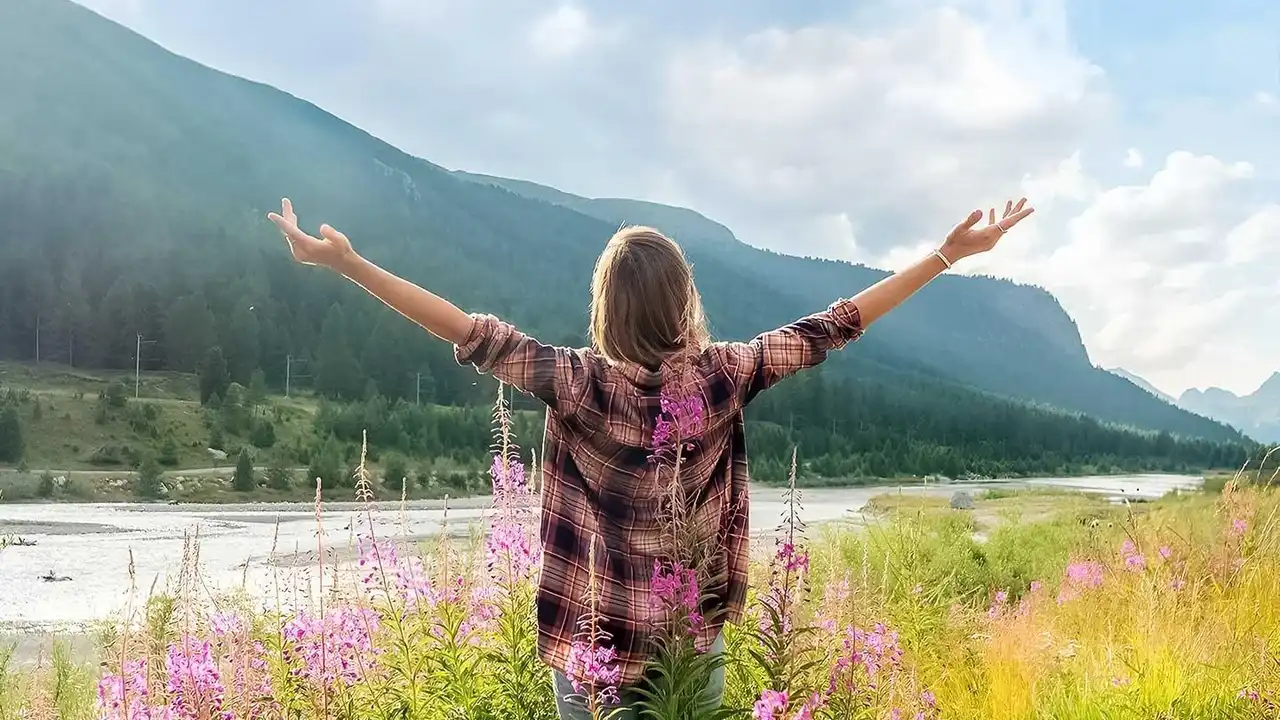
A core tenet of responsible travel is leaving a place as good as, or better than, you found it. The 'leave no trace' principle is paramount. This starts with reducing waste by carrying a reusable water bottle and cloth bags to avoid single-use plastics. When exploring natural areas, always stick to marked trails to prevent erosion and protect delicate flora. It’s also vital to respect wildlife by observing from a distance, never feeding animals, and choosing ethical, eco-friendly tour operators who prioritise conservation. Conserving resources like water and electricity in your accommodation is another small habit that has a collective positive impact. Protecting the environment ensures that the natural beauty that draws travellers to a destination can be enjoyed by local communities and future generations alike.
The 'Slow' is the Secret
The magic ingredient that makes all this possible is the 'slow' pace itself. Rushing through a destination on a tight schedule leaves little room for mindfulness or spontaneous discoveries. Slow travel, by contrast, gives you the gift of time. It allows you to linger, to observe the rhythm of daily life, and to build the meaningful connections that responsible tourism is all about. A slower pace reduces the stress of travel, enhancing your own well-being while minimising your carbon footprint associated with frequent, rapid transport. It's in the quiet moments—sipping chai with a shopkeeper, watching a sunset without having to rush to the next attraction, or learning the story behind a local craft—that the most profound travel memories are made. This approach turns a trip into an immersive experience rather than a collection of sights.