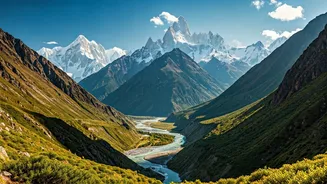






The Rise of the 'Offbeat' Destination
For decades, North Indian hill station tourism revolved around established names like Shimla, Manali, and Mussoorie. But for a new generation of travellers, the goal is to venture beyond the obvious. The search for authenticity and a desire for unique,
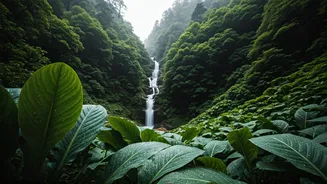
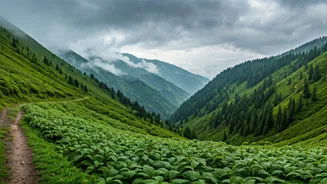
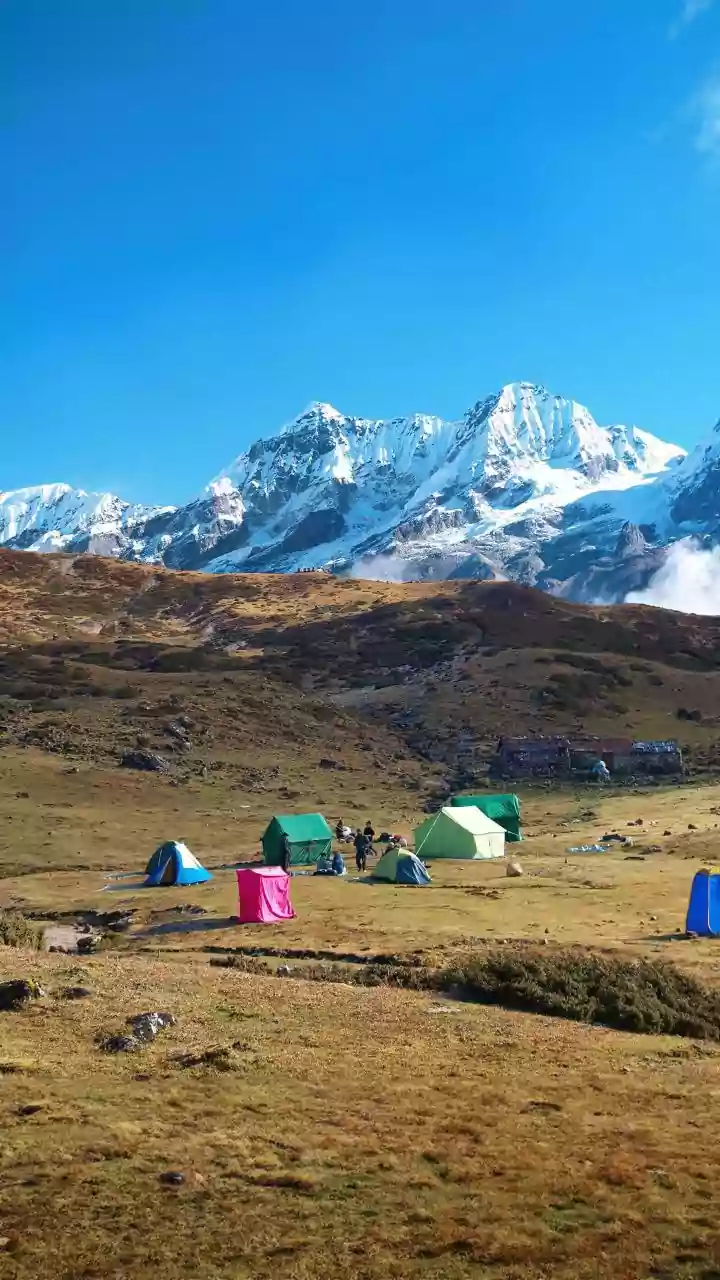
crowd-free experiences—perfectly captured for a social media audience—is redrawing the tourist map. Instagram, with its powerful visual format, has become the primary travel agent. Stunning images and short reels from once-secluded spots like Jibhi, Tirthan Valley, and Chopta have sparked a digital wanderlust, turning them into bucket-list destinations for thousands. These places, long known to only a handful of trekkers, are now on the radar of anyone with a smartphone and a desire to escape the city.
From Hidden Gems to Viral Sensations
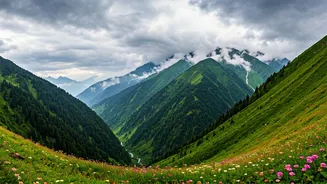
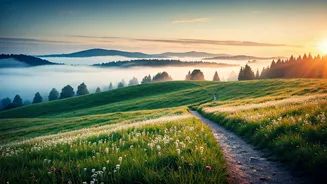
So which places are we talking about? In Himachal Pradesh, the Tirthan and Jibhi valleys have seen an explosion in popularity. Known for their traditional Kath-Kuni architecture, trout fishing, and proximity to the Great Himalayan National Park, they offer a picture-perfect vision of Himalayan life. Similarly, villages in Spiti Valley, once considered remote, are now sought-after for their stark landscapes and ancient monasteries. In Uttarakhand, destinations like Auli are becoming known for more than just skiing, with their meadows attracting year-round visitors. These locations thrive on what bigger hill stations have lost: a sense of peace, untouched nature, and the feeling of having discovered a secret. The irony, of course, is that this secret is now being shared with thousands of followers a day.
The Double-Edged Sword of Discovery
This newfound fame has been a lifeline for many remote communities. The surge in visitors has fuelled a local economic boom, with traditional homes being converted into sought-after homestays and new cafes and guesthouses providing jobs and income. This model of community-based tourism empowers locals to generate income by sharing their culture and lifestyle directly with travellers. For many villages that were once dependent solely on agriculture, tourism offers a powerful new revenue stream, encouraging young people to stay and build businesses at home rather than migrating to cities. Social media posts don't just create trends; they build local economies from the ground up, one photogenic homestay at a time.
Paradise Lost? The Cost of Clicks
However, this digital gold rush comes at a significant cost. The very infrastructure of these quiet villages is buckling under the pressure of 'overtourism'. Fragile ecosystems are threatened by mountains of plastic waste, as garbage management systems are unable to cope with the seasonal surge. Once-quiet roads are now choked with traffic, and the quest for the perfect photo has led to soil erosion and damage to delicate flora. The problem is so acute that popular spots like Triund and the Parvati Valley are now littered with the trash that visitors leave behind. The same social media that puts these places on the map often fails to promote the responsible behaviour needed to protect them.
The Path to Conscious Travel
The future of these Himalayan paradises hangs in the balance, and the solution lies in a collective shift towards responsible travel. This starts with both influencers and tourists. Influencers have a massive role to play in educating their followers about sustainable practices, such as avoiding single-use plastics, sticking to marked trails, and respecting local customs. For travellers, it means choosing to support eco-sensitive homestays, participating in community-led initiatives, and, most importantly, carrying their waste back with them. Some have even suggested not geotagging vulnerable locations to prevent them from being overrun. The goal is to evolve from being a mere tourist to becoming a mindful explorer who values preservation over a fleeting post.