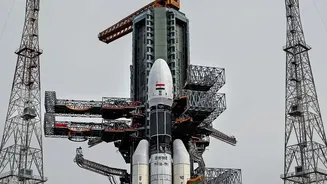





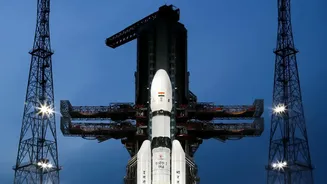

A $44 Billion Liftoff
What was once a field dominated by the Indian Space Research Organisation (ISRO) is rapidly evolving into a vibrant, private sector-driven ecosystem. Thanks to significant policy reforms starting in 2020, India's space economy has surged to an estimated
$9 billion and is projected to skyrocket to between $40 and $45 billion within the next decade. This explosive growth is fuelled by a dramatic increase in private investment and a startup culture that has seen the number of registered space companies jump from a single digit to nearly 440. The establishment of the Indian National Space Promotion and Authorisation Centre (IN-SPACe) has been pivotal, creating a single-window system to facilitate private enterprise in everything from satellite building to launch services. This new landscape is not just about big numbers; it's about creating a sustainable commercial industry that positions India as a major player on the global stage.
Upstream Careers: Building the Rockets and Satellites
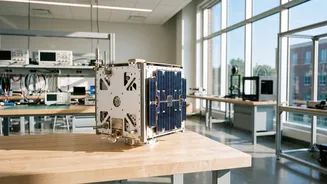
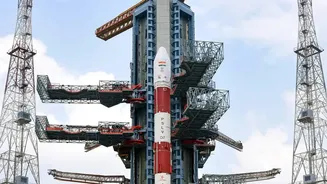
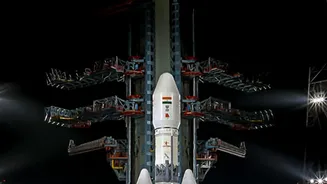
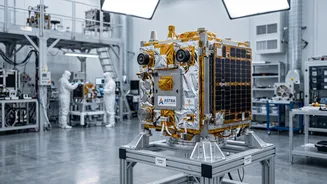
The “upstream” segment of the space economy involves the design, manufacturing, and launch of space assets. This is the traditional heart of the aerospace industry, and it's buzzing with activity. Private companies like Skyroot Aerospace, Agnikul Cosmos, and Dhruva Space are aggressively hiring engineers to build the next generation of launch vehicles and satellites. Key job roles include aerospace, propulsion, structural, and avionics engineers who work on the physical hardware of rockets and spacecraft. There is also a high demand for manufacturing specialists and those with expertise in materials science, focusing on creating lighter and more resilient components for the extreme conditions of space. These roles are no longer confined to government agencies; they are now at the forefront of commercial innovation in hubs like Bengaluru, Hyderabad, and Chennai.
Downstream Data: Bringing Space Insights to Earth
Perhaps the fastest-growing area of opportunity lies in the “downstream” sector, which focuses on using the vast amounts of data generated by satellites. This is where space technology directly impacts everyday life and various industries. Companies like Pixxel and SatSure are harnessing satellite imagery and signals for applications in agriculture, disaster management, urban planning, insurance, and environmental monitoring. This has created a massive demand for data scientists, AI/ML specialists, and GIS analysts who can build algorithms to interpret this information. If you have skills in Python, data analytics, and machine learning, you are as crucial to the modern space economy as a rocket scientist. These roles translate complex satellite data into actionable business intelligence, driving efficiency and innovation across multiple sectors.
Beyond Engineering: The Supporting Ecosystem
The space economy needs more than just engineers and data scientists to thrive. As the industry commercialises, a robust support ecosystem is developing, creating jobs for a wide array of professionals. There is a growing need for experts in space law and policy to navigate the complex national and international regulations governing space activities. With hundreds of startups entering the field, roles in finance, business development, marketing, and human resources are becoming increasingly vital. Companies are looking for bid managers, visual designers, and communicators to help them secure funding, win contracts, and tell their stories. This expansion means that you don't need a technical degree to be part of India's space journey; professionals with business and humanities backgrounds have a significant role to play in building this new frontier.
The Skills You Need for a Career in Space
To enter this burgeoning field, a strong foundation in a relevant discipline is key. For technical roles, a B.Tech in fields like Aerospace, Mechanical, Electronics, or Computer Science remains the most common entry point. However, the skill requirements are evolving. Today's engineers need proficiency in modern software like CAD and simulation tools. For downstream roles, expertise in programming languages like Python and MATLAB, along with data analysis and machine learning, is essential. Beyond technical skills, the industry values strong problem-solving abilities, analytical thinking, and teamwork. As the sector grows, continuous learning and upskilling will be critical for professionals who want to stay at the cutting edge of one of India's most exciting industries.