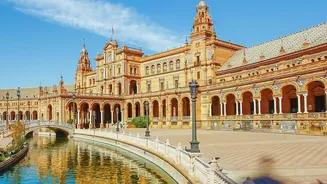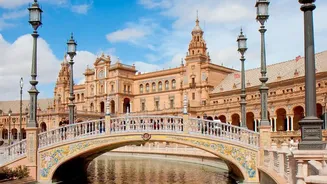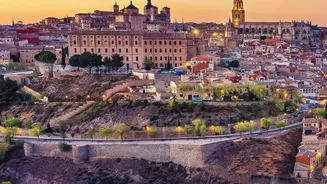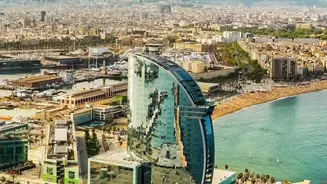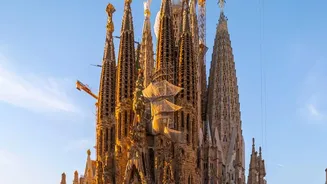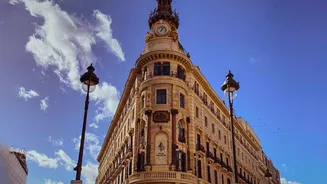





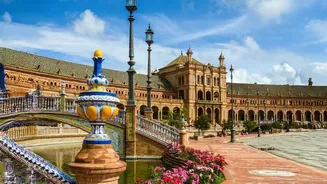
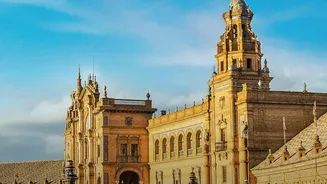
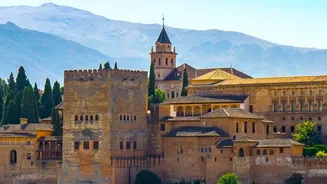
The postcard image of Spain—sun-drenched plazas, vibrant beaches, and stunning architecture—is facing a modern-day challenge: its own popularity. Across the country, seasonal crowding has reached a tipping point, turning idyllic spots into pressure points.
A Victim of Its Own Success
Spain consistently ranks as one of the world's most visited countries, a testament to its rich culture, beautiful landscapes, and welcoming atmosphere. Tourism is a pillar of the national economy, accounting for over 12% of its GDP and supporting millions of jobs. However, this success has come at a cost. In peak seasons, cities like Barcelona, and islands like Majorca and Ibiza, become inundated with visitors, straining public services, infrastructure, and the patience of local residents. The issue isn't new, but a surge in post-pandemic travel and a series of large-scale public protests in 2025 and 2026 have brought the debate over 'overtourism' to a critical juncture.
Ground Zero: From Barcelona to the Balearics
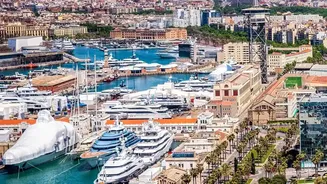
Barcelona has long been the epicentre of the anti-tourism movement. For years, residents have protested against the 'touristification' of their neighbourhoods, which they argue drives up housing costs and erodes local culture. In response, authorities are taking decisive action. A major crackdown on unlicensed short-term rentals is underway, with a plan to eliminate all such tourist apartments by 2028. In the Balearic Islands, which include Majorca and Ibiza, similar frustrations have boiled over. Massive demonstrations have occurred, with protesters demanding limits on tourist numbers and an end to the 'tourism of excesses'. New local laws now target disruptive behaviour, with heavy fines for public drinking and limits on alcohol in some all-inclusive resorts. Majorca is also advancing a plan to limit the number of rental cars allowed onto the island to ease traffic congestion.
The Canary Islands Cry 'Enough!'
The Canary Islands, a popular year-round destination, have become another flashpoint. The archipelago has been featured on 'no travel' lists by some publications, not as a boycott, but to highlight the unsustainable pressure on its fragile ecosystems and local communities. Residents have staged large protests, citing a housing crisis fueled by vacation rentals and environmental strain on limited resources like water as their primary concerns. In response, the regional government has approved a new legal framework for tourist municipalities. This law aims to provide more funding and resources to areas with high visitor numbers, enabling them to better manage services like waste collection, environmental monitoring, and public safety. A voluntary fund has also been launched, allowing tourists to contribute to local nature restoration projects.
The Search for a Sustainable Future
Across Spain, the consensus is growing that the old model of mass tourism is no longer viable. The national government is promoting a 'Tourism 2030' strategy focused on sustainability, quality over quantity, and social responsibility. Key measures being implemented or considered include increasing tourist taxes, regulating cruise ship arrivals, and requiring booking platforms like Airbnb to comply with strict licensing laws. There is also a concerted effort to promote lesserndown regions to distribute the economic benefits of tourism more evenly and relieve pressure on saturated hotspots. The goal is not to stop tourism, but to transform it into a more resilient and responsible industry that benefits visitors and residents alike.