
What Exactly Is a Humidity Tray?
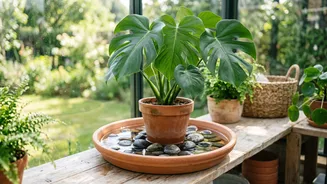
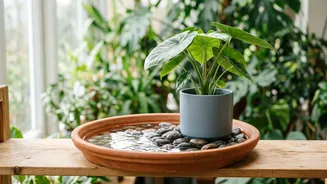
A humidity tray, also known as a pebble tray, is a simple device used to create a humid microclimate around your plants. It consists of a shallow tray or saucer filled with a layer of pebbles, gravel, or decorative stones and a small amount of water.
The plant pot sits on top of the pebbles, elevated above the water line. As the water in the tray evaporates, it increases the moisture in the air directly surrounding the plant's foliage, mimicking the humid conditions of its native tropical environment.
The Key Benefits for Your Plants
Many popular houseplants originate from rainforests where humidity is consistently high. Dry indoor air, especially in homes with heating or air conditioning, can cause issues like brown and crispy leaf edges, curling leaves, and slow growth. A humidity tray provides a constant, localized source of moisture that helps prevent these problems. Unlike misting, which provides only a temporary boost, a pebble tray offers a steady release of humidity. This simple setup also serves a dual purpose: it catches excess water after watering and prevents the plant's roots from sitting in standing water, which can lead to root rot.
Which Plants Love Humidity Trays?
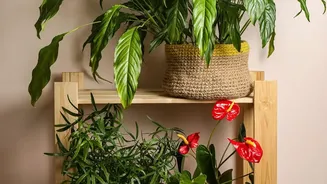
While most tropical plants appreciate a humidity boost, some benefit more than others. Ferns, such as Boston and Maidenhair varieties, are notorious for needing high humidity to prevent their delicate fronds from drying out. Other prime candidates include Calatheas (prayer plants), Orchids, Alocasias (Elephant Ear), Peace Lilies, and Anthuriums. These plants often show their displeasure with dry air through dull, drooping, or browning leaves. Placing them on a humidity tray can make a visible difference in their health and vibrancy, encouraging lush growth and, in some cases, better flowering.
How to Create a DIY Humidity Tray
Making your own humidity tray is incredibly simple and requires only a few materials. First, select a waterproof saucer or shallow tray that is wider than the base of your plant's pot; the larger the surface area, the more effective the evaporation. You can use an old plant saucer, a baking dish, or even a recycled plastic food container. Fill the tray with a layer of pebbles, decorative stones, or even LECA (lightweight expanded clay aggregate). Spread them evenly to create a stable surface for your plant pot to rest on.
Using Your Tray the Right Way
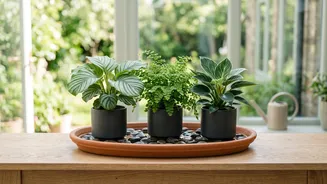
Once your tray is assembled, pour water into it until the level is just below the top of the pebbles. The most critical rule is to ensure the bottom of the plant pot sits on the stones, completely clear of the water. If the pot itself is sitting in water, the soil will become waterlogged, which can quickly lead to fatal root rot. Place your potted plant securely on the pebbles. As the water evaporates over a few days, simply top it up as needed to maintain the level. For an even greater effect, you can group several humidity-loving plants together on a larger tray.
Common Mistakes to Avoid
While using a humidity tray is straightforward, a few common errors can undermine its effectiveness or harm your plant. The biggest mistake is overfilling the tray, allowing the pot's drainage holes to sit in water. Always keep the water level below the top of the pebbles. Another issue is using a tray that is too small, as it won't have enough surface area for meaningful evaporation. Finally, don't forget maintenance. The tray should be cleaned every couple of weeks by rinsing the pebbles and washing the tray to prevent the buildup of algae, mold, or pests like fungus gnats.