





A Touch of History on Your Desk
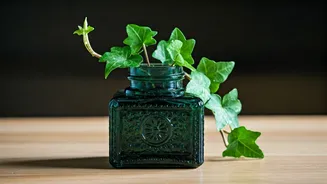
Before keyboards and ballpoint pens, the inkwell was a desk’s centerpiece. These small, sturdy glass pots held the ink for fountain pens, witnessing countless letters, documents, and journal entries. They were crafted from thick, durable glass—often with
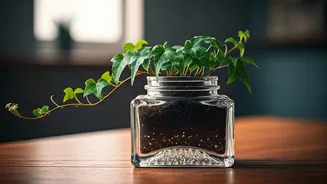
intricate designs, unique shapes, and a beautiful greenish or blueish tint from age. Today, these relics of a slower, more deliberate era are finding a new purpose. Their small size, heavy base, and narrow opening make them the perfect vessel for propagating plant cuttings, especially trailing vines like ivy or pothos. An upcycled inkwell isn't just a vase; it's a piece of history that adds character and a story to your modern workspace.
The Thrill of the Vintage Hunt
Part of the joy of this project is sourcing the inkwell itself. You’re not just buying a container; you’re on a treasure hunt. Start by exploring local flea markets and antique shops, where you can often find these gems for a modest price. Look for sellers specializing in glassware, old office supplies, or colonial-era artifacts. Online marketplaces like Etsy and eBay are also fantastic resources. Search for terms like “antique glass inkwell,” “vintage ink pot,” or “schoolhouse inkwell.” Don’t worry about small chips or imperfections; they add to the character. Look for a sturdy base to prevent tipping and a mouth wide enough for a plant stem but narrow enough to support it upright. Prices can vary, but you can often find beautiful, simple pieces without breaking the bank.
Choosing the Perfect Green Companion
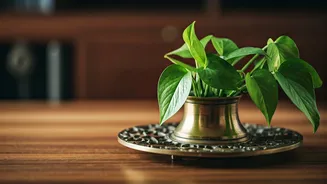
Not all plants are suited for living in water, but many common houseplants thrive in it. The best choices for an inkwell display are vining plants that root easily from cuttings. * **Pothos (Devil's Ivy):** This is the undisputed champion of water propagation. It’s incredibly hardy, grows beautiful roots quickly, and its heart-shaped leaves look stunning trailing down a desk or bookshelf. * **English Ivy:** The classic choice, English Ivy has a delicate, old-world feel that perfectly complements a vintage inkwell. Its smaller leaves and intricate vine structure create a beautiful silhouette. * **Philodendron:** Similar to pothos, heartleaf philodendron is another easy-to-grow option with lush, deep green leaves. * **Syngonium (Arrowhead Plant):** For a slightly different look, the arrowhead-shaped leaves of the Syngonium add a unique touch of colour and texture. Choose a healthy, mature plant from which to take your cutting. Look for a stem with at least two or three leaves and a few nodes (the small bumps where leaves grow out).
Your Simple Step-by-Step Guide
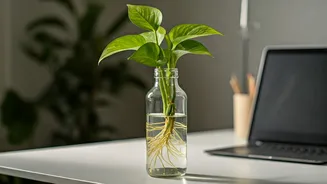
Creating your display is incredibly simple. First, clean the inkwell thoroughly with soap and warm water to remove any dust or residue. Use a small bottle brush if needed to clean the inside. Next, prepare your plant cutting. Using clean, sharp scissors, snip a 4-6 inch piece of stem from the mother plant, making your cut just below a node. This is where the new roots will emerge. Remove any leaves from the bottom half of the stem that would otherwise be submerged in water, as they will rot. Fill your clean inkwell with room-temperature water—filtered or tap water that has been left out for 24 hours is best, as it allows chlorine to evaporate. Finally, place the prepared cutting into the inkwell. Ensure the nodes are submerged but the remaining leaves are well above the water line. That's it! Place your new creation on your desk where it will receive indirect sunlight.
Care and Long-Term Maintenance
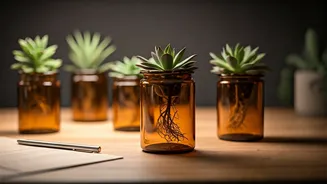
This workspace accessory is beautiful precisely because it’s low-maintenance. Your primary task is to change the water every 7-10 days, or whenever it starts to look cloudy. This prevents bacterial growth and replenishes oxygen for the developing roots. When changing the water, you can gently rinse the roots to keep them clean. After a few weeks, you will see delicate white roots begin to sprout from the nodes. The plant can live in the water for many months, or even years, with minimal care. If the vine gets too long, you can simply trim it back and use the cutting to start another display. It’s a self-sustaining cycle of beauty for your desk.