


The Enduring Appeal of Classics
There’s a reason why the combination of rain, a hot cup of masala chai, and a plate of crispy pakoras is a timeless classic. [8] This monsoon, the love for these iconic snacks is stronger than ever, but with a distinct home-cooked focus. Families are
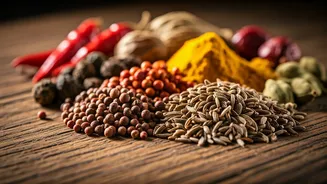
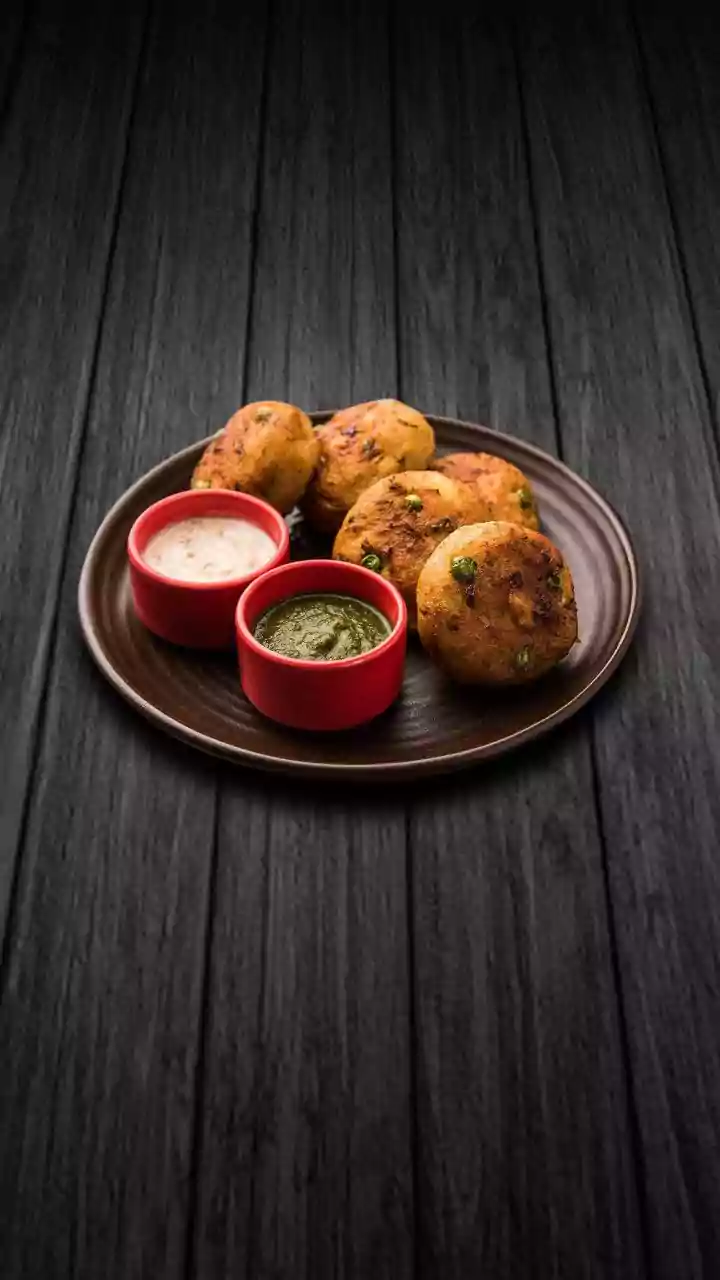
reviving heirloom recipes for onion, spinach, and potato pakoras, along with samosas and bhajiyas. [4, 11] The emphasis is on freshness and simplicity—the joy of hearing the sizzle in your own kitchen and sharing a hot plate while watching the downpour. [2, 20] It’s less about reinventing the wheel and more about perfecting it, using fresh ingredients and familiar spices like ajwain, ginger, and turmeric that are comforting and traditionally believed to aid digestion during this season. [5, 14]
Health Gets a Seat at the Table
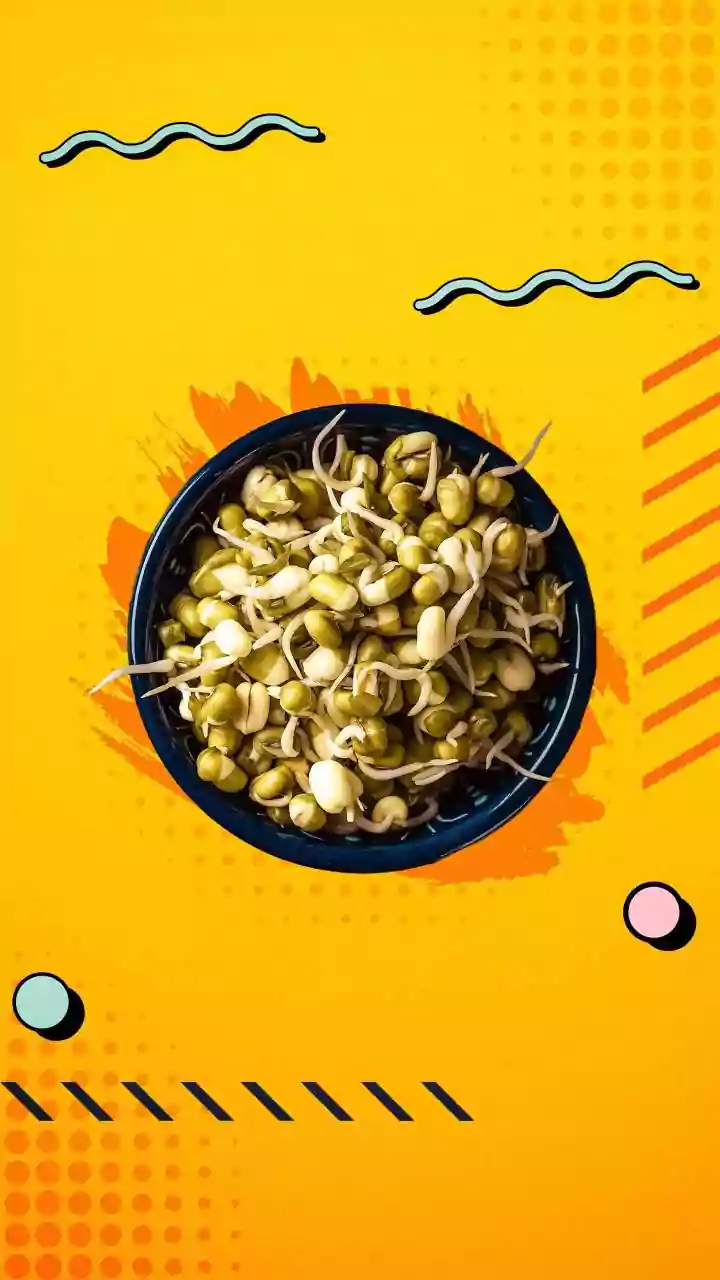
While indulgence is part of the monsoon experience, a significant trend is the move towards healthier preparations of these beloved classics. [17] Health-conscious home cooks are embracing methods like air-frying and baking to cut down on oil without sacrificing the satisfying crunch. [12, 15] Recipes for baked samosas, air-fried pakoras, and non-fried medu vadas are gaining immense popularity. [12, 15] This trend extends to ingredients as well, with a noticeable shift towards using millets, oats, and nutrient-dense alternatives. [6, 17] Snacks like roasted makhana (fox nuts), steamed corn chaat, and sprout salads (always cooked during monsoon for safety) are becoming go-to options for a guilt-free bite. [6, 12] This approach allows for daily enjoyment rather than occasional splurging, aligning with a broader wellness mindset. [5, 17]
The Comfort of One-Pot Meals
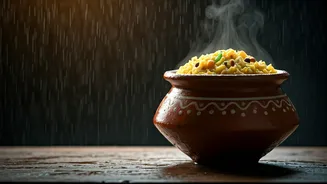
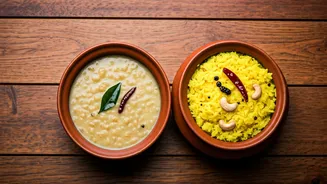
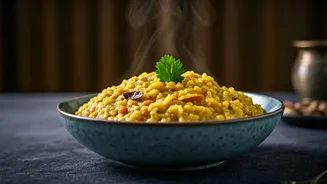
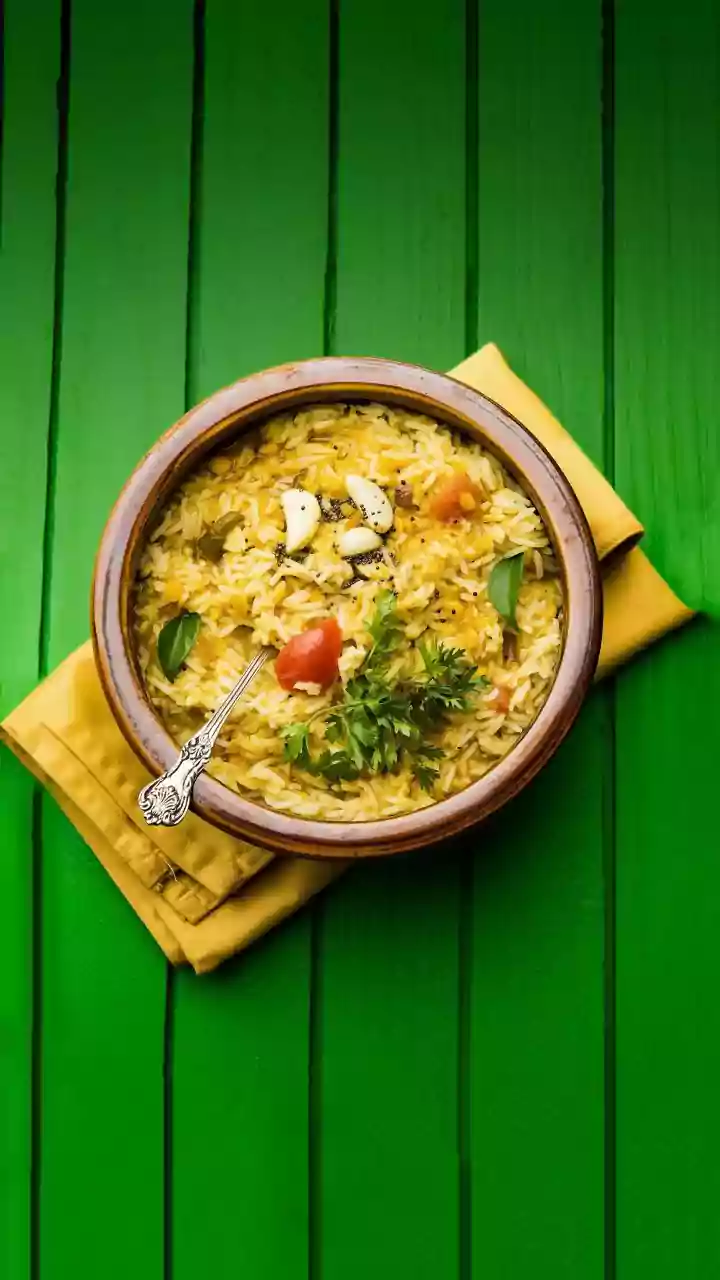
Beyond snacks, the monsoon season is seeing a renewed appreciation for simple, one-pot meals that are both nourishing and easy to prepare. Khichdi, often hailed as India's ultimate comfort food, is a star dish. [22] This wholesome mix of rice and lentils, often tempered with ghee and spices, is light on the stomach and incredibly soothing—perfect for a lazy, rainy afternoon. [8, 22] Similarly, warm and hearty soups are a favourite. [11] While tomato or mixed vegetable soups are popular, regional specialities like the spicy and pungent rasam in the South also provide warmth and comfort. [8, 16] These meals are easy to digest and align with the traditional wisdom of eating light yet warming foods when the weather is damp and sluggish. [19]
Celebrating Regional Diversity
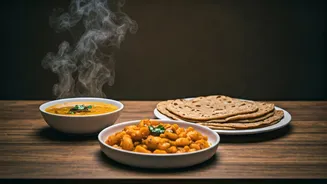
The celebration of simple home cooking is not a monolithic trend; it’s expressed through a beautiful diversity of regional specialities. In Maharashtra, the craving for Kanda Bhaji (onion fritters) and vada pav remains a cultural staple. [16, 21] In Bengal, khichuri (their version of khichdi), often served with fried eggplant, is the quintessential monsoon meal. [16] In North India, you'll find homes making Bedmi Puri with aloo curry, while in the South, crispy Parippu Vada (lentil fritters) and steamed dishes like Pundi Gatti are popular. [3, 24] This exploration of regional dishes highlights how simple, seasonal ingredients are used creatively across the country to create comforting meals that are deeply connected to local traditions and the unique climate of the season. [3, 24]