

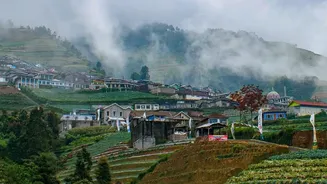


The End of the Off-Season Myth
For years, Indian travellers followed a predictable calendar: summer for the mountains and winter for beaches. The monsoon was seen as a quiet gap. That pattern is rapidly changing. An increasing number of travellers are now planning trips specifically
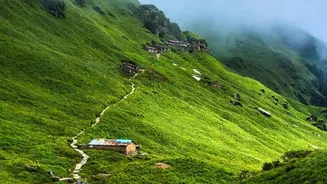
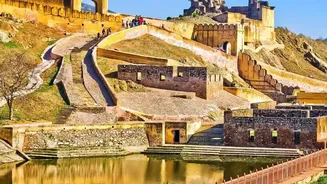
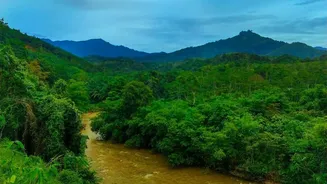
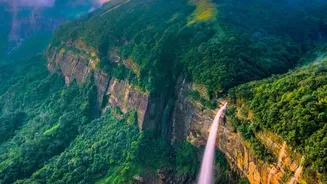
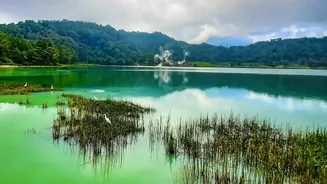
to experience rain-soaked landscapes, cooler temperatures, and lush greenery. According to recent data from travel platforms, hotel bookings during the monsoon have surged significantly, with one report noting a nearly 54% year-on-year increase. This shift is driven by a desire for nature-based experiences, offbeat destinations, and shorter, more frequent getaways. Destinations in the Western Ghats, hill stations, and even parts of Rajasthan are seeing a major influx of visitors eager to see the country at its vibrant, rain-fed best.
Why Mid-Range Hotels Are in the Spotlight
This monsoon boom is creating a particular squeeze in the mid-range hotel segment. As more people travel, from solo adventurers to families and groups of colleagues, the demand for properties that offer a balance of comfort, convenience, and value has skyrocketed. Mid-range hotels hit this sweet spot perfectly. They provide more amenities than budget stays without the price tag of luxury resorts, making them the default choice for a large section of domestic tourists. This growing demand comes from a mix of travellers, including young millennials, families on vacation, and professionals on 'work-from-hotel' escapes. Consequently, what was once a buyer's market with plenty of deals is now far more competitive, forcing travellers to plan more strategically.
Destinations Feeling the Squeeze
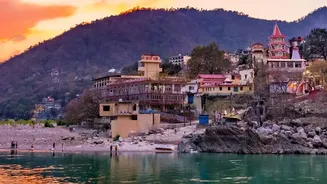
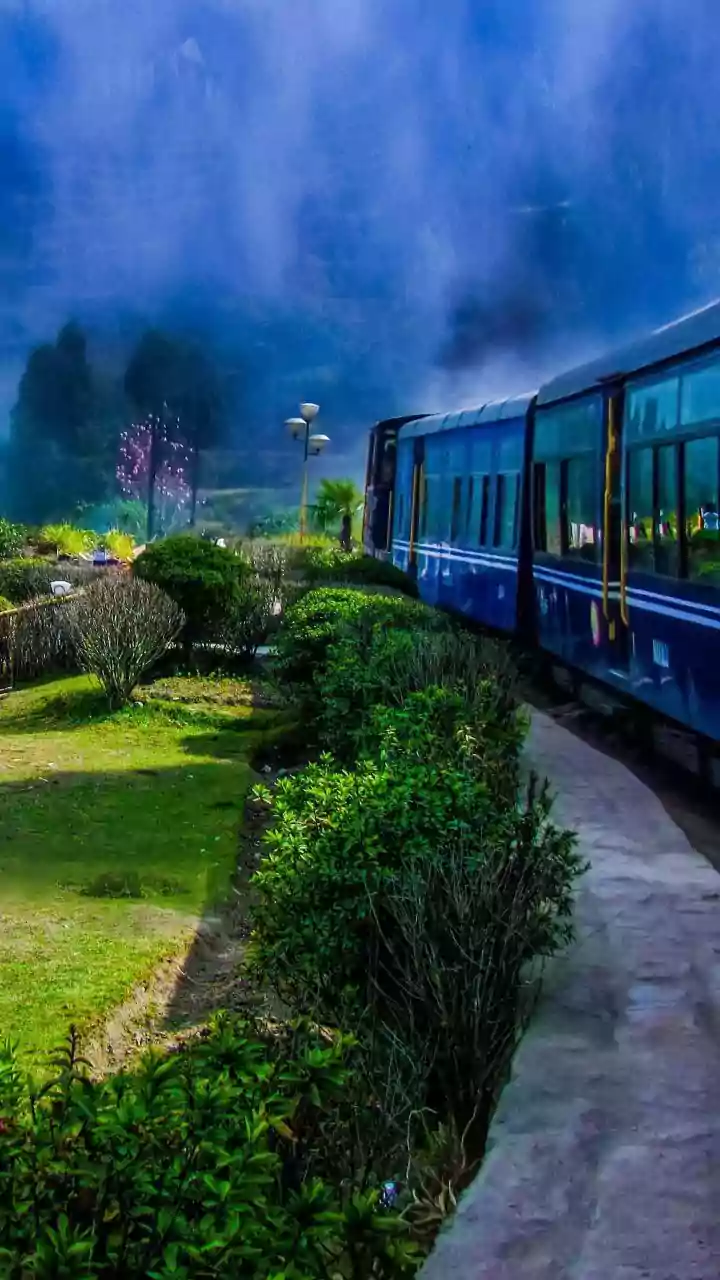
The competition for rooms is most intense in classic monsoon destinations. In the south, places like Wayanad have seen hotel bookings increase by over 160%, with Alleppey close behind at 145%. Other popular spots like Munnar, Kodaikanal, and Ooty have also registered booking growth exceeding 70%. Goa, once considered a purely winter destination, saw hotel bookings jump by over 110%. In the north, hill stations like Mussoorie and Rishikesh are climbing the search rankings, with searches for Rishikesh growing by over 200%. Even the Northeast is emerging as a monsoon favourite, with Nagaland and Arunachal Pradesh recording a staggering 90% rise in hotel bookings.
How to Secure Your Monsoon Getaway
Given the new landscape, spontaneity might not be your best friend when planning a monsoon trip. Booking in advance is now more critical than ever. Travel experts suggest that booking windows are getting shorter, meaning demand can spike rapidly, so securing your accommodation a few weeks or even months ahead is advisable. Flexibility with dates can also help; travelling on a weekday instead of a packed long weekend might open up more options and better prices. It is also wise to compare prices across different platforms and consider booking directly with the hotel, as some offer special packages or better rates. If your preferred destination is fully booked, exploring alternative, less-crowded locations can lead to wonderful discoveries. Setting up price alerts on travel aggregator sites can also notify you of deals and availability changes for your desired hotels.
Managing Expectations on the Ground
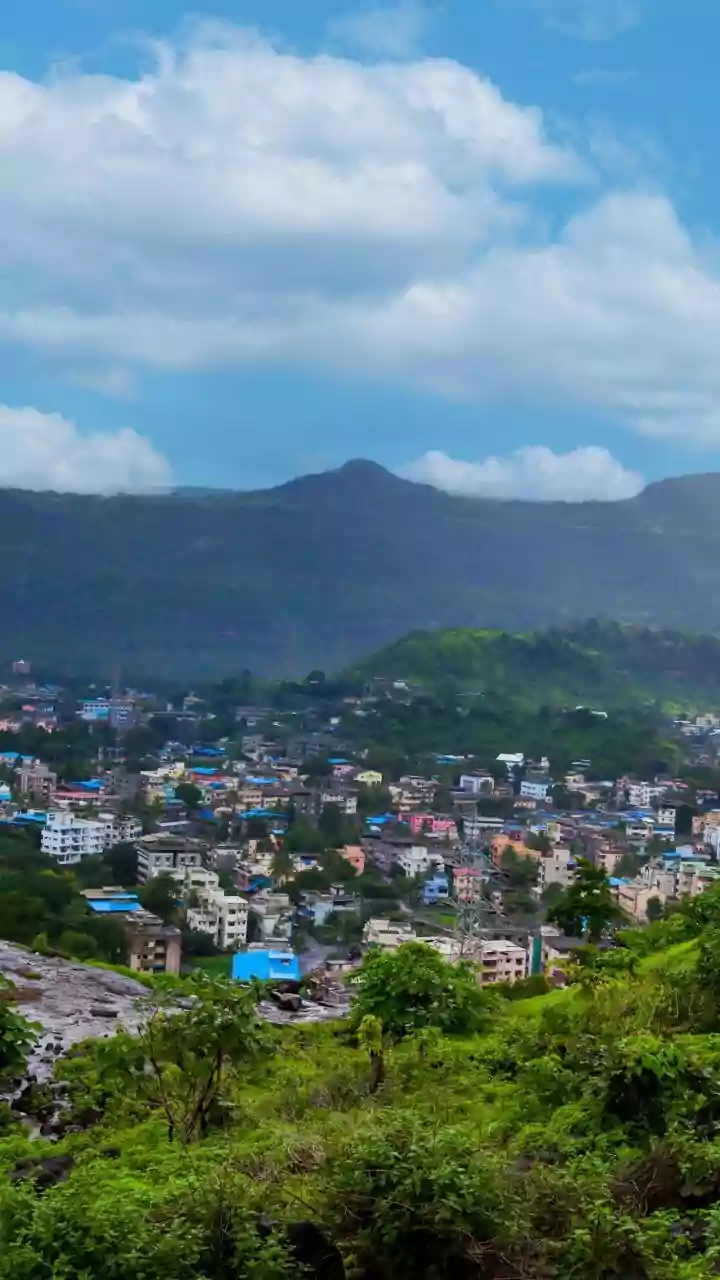
The increased competition means that travellers should also adjust their expectations. Popular spots, from viewpoints in Lonavala to cafes in Mussoorie, are likely to be more crowded than they were in previous monsoon seasons. Hotels may be operating at higher occupancy, so services could be in high demand. While many travel companies are rolling out monsoon sales and attractive packages, the overall trend points towards a more robust and busy travel season. The upside is that the tourism ecosystem is responding with more curated experiences, from wellness packages to special culinary offerings that celebrate the season. The key is to embrace the lively atmosphere while appreciating the natural beauty that drew you there in the first place.