

Vehicle Readiness: The Non-Negotiables
A post-monsoon drive puts unique stress on your vehicle. Before you even think of hitting the ghat roads, a thorough vehicle check is paramount. Months of rain can cause unseen wear and tear. Start with the most critical components. Your brakes are your best
friends on steep descents; ensure the brake pads have sufficient thickness and the brake fluid is at the correct level and colour. Tyres are your only contact with potentially slippery and damaged roads. Check the tyre pressure and inspect the tread depth; worn-out tyres significantly increase the risk of skidding on wet patches. Don't forget your spare tyre and the tool-kit to change it. Finally, ensure all lights—headlights, taillights, brake lights, and indicators—are functioning perfectly. Poor visibility is common in the hills, especially during early mornings and evenings.
Under the Hood: A Pre-Trip Inspection
A healthy engine is crucial for tackling steep inclines. A few simple checks under the hood can prevent a breakdown in a remote location. Check the engine oil level and its colour to ensure it doesn't need a replacement. Top up the coolant, as engines can heat up during long climbs in lower gears. Also, inspect all other fluids, including windshield washer fluid, which you'll need to clear away mud and grime splashed by other vehicles. A quick look at the battery terminals for any corrosion or white deposits is also a good idea, as humidity and moisture can affect battery performance. If you have driven through significant waterlogging during the monsoon, getting a professional to check the underbody for trapped mud and rust is a wise investment.
On-Road Smarts: Driving Techniques for Post-Monsoon Hills
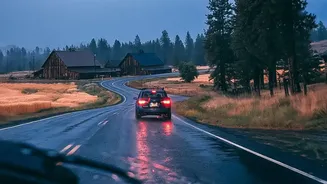
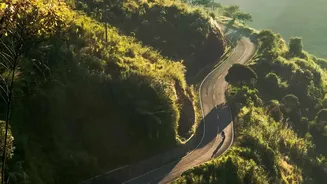
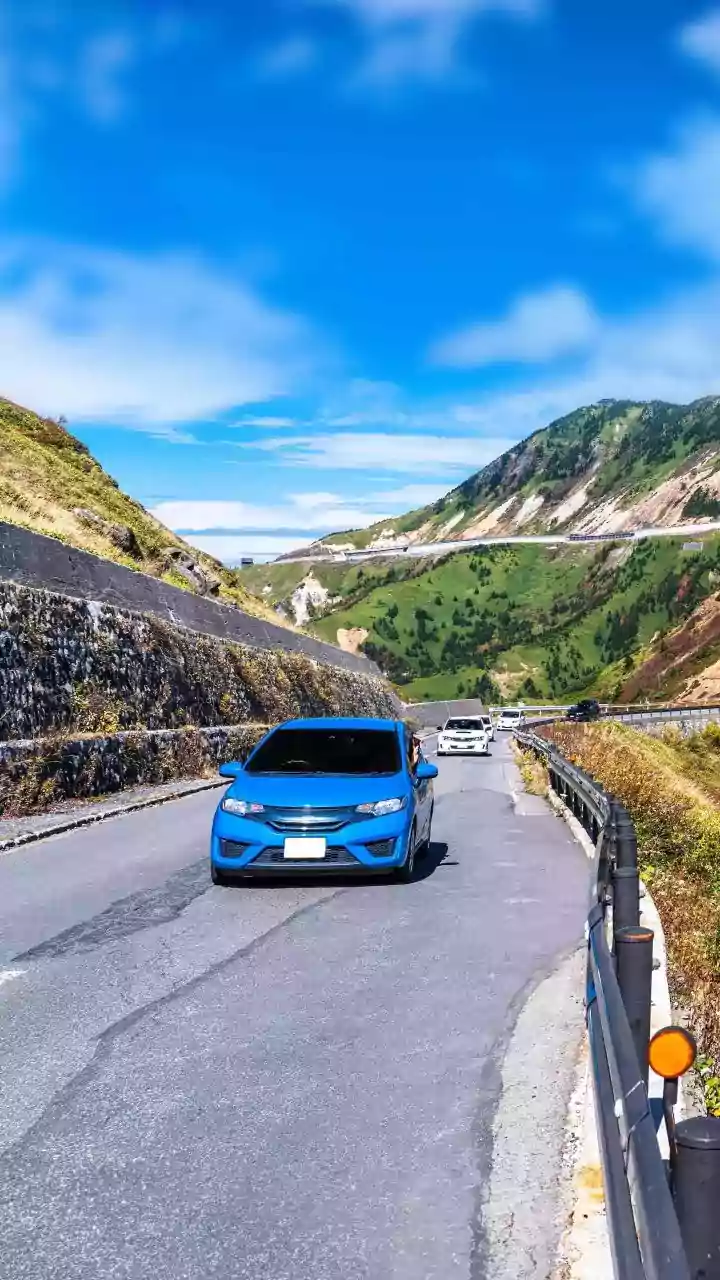
Driving in the hills after the rains is different from driving on dry, flat roads. The most important rule is to drive at a controlled speed. Roads can be unpredictable, with hidden potholes concealed by puddles or loose gravel from minor landslides. When descending, use lower gears to control your speed (engine braking) rather than relying solely on your brakes, which can overheat. While ascending, staying in a lower gear provides the necessary power. Always give way to traffic coming uphill. Be extra cautious on blind curves and hairpin bends; honk to announce your presence to oncoming traffic. Avoid overtaking on narrow stretches and curves at all costs. If visibility drops due to fog or sudden rain, turn on your low-beam headlights and slow down. If conditions become too dangerous, it is safer to pull over and wait.
Packing Essentials: Beyond Just Clothes
What you pack is just as important as your car's condition. While clothes are a given, focus on the essentials for safety and comfort. A well-stocked first-aid kit, including any personal medications and tablets for motion sickness, is a must. Since mobile networks can be unreliable in the mountains, a fully charged power bank is a lifesaver. It is also wise to download offline maps of your route. Pack an emergency kit with a flashlight, extra batteries, non-perishable snacks like energy bars, and a few bottles of water in case you get stranded due to a roadblock. Weather in the hills can change quickly, so pack in layers: a base layer, a warm fleece or sweater, and a waterproof outer jacket.
Navigating Lingering Risks: Landslides and Bad Roads
Even though the heaviest rains are over, the risk of landslides and rockfalls remains. Be vigilant and watch for warning signs on the road. Pay attention to local advisories and news before and during your travel. Avoid stopping near steep cliffs or areas that look unstable. Another common post-monsoon hazard is water crossings where streams flow over the road. Never attempt to drive through fast-flowing water; it is impossible to judge the depth or the condition of the road underneath. Patience is key. It is always better to wait for the water to subside or for authorities to clear a path than to take a dangerous risk. If a road looks particularly damaged, it is often best to find an alternative route if possible.