








The Golden Rule You've Been Told
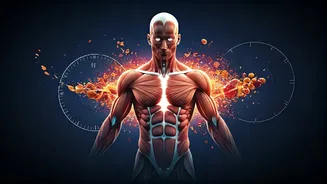
It’s one of the most persistent ideas in fitness: the “anabolic window.” The concept is simple and seductive. For a brief 30- to 60-minute period after you exercise, your body is supposedly primed to absorb protein. [20, 21] According to this rule, consuming
protein within this tight timeframe is crucial for maximising muscle repair and growth. [9] Miss this window, the logic goes, and you’ve essentially wasted your workout, leaving your hard-earned gains on the table. This belief has fueled an entire market of fast-acting whey protein powders and post-workout supplements, all promising to help you capitalize on this critical moment. [10] It creates a sense of urgency, turning the post-workout locker room into a race against the clock.
Where the Myth Came From
The idea of an anabolic window isn't pure fiction; it's based on an observable biological process. Resistance exercise does increase muscle protein synthesis (MPS), the process of building new muscle tissue. [23] Early research, often conducted on individuals training in a fasted state, showed that consuming protein immediately after a workout could shift the body from a catabolic (muscle breakdown) state to an anabolic (muscle building) one. [22] This made sense—if your body is breaking down muscle and you provide it with the building blocks (amino acids from protein), you can kickstart the repair process. [22] The problem is, these initial findings were interpreted in the most extreme way by fitness marketing and gym lore, creating the myth of a frantic, 30-minute deadline that just doesn't hold up to modern scrutiny. [7, 10]
What Science Actually Says About Timing
Modern, more comprehensive research has shown that the 'anabolic window' is far wider and more flexible than we were led to believe. [11] Multiple studies have concluded that the supposed 30-minute window simply doesn't exist for most people. [9] In fact, muscle protein synthesis remains elevated for 24 to 48 hours after a workout. [10, 20] This means your body is receptive to protein for a much longer period. One meta-analysis found no significant difference in muscle growth between people who consumed protein immediately after a workout and those who waited a couple of hours, as long as their total daily protein intake was sufficient. [7, 14] The urgency is a myth. As long as you eat a protein-rich meal within a few hours of your training session, you're giving your muscles what they need. [12]
The Real Key: Total Daily Protein Intake
If timing isn't the make-or-break factor, what is? The overwhelming scientific consensus points to one thing: total daily protein intake. [11, 14] It’s far more important to focus on how much protein you consume over the course of an entire day than to stress about the minutes after your workout. [18] Think of it as your body's protein budget for the day. As long as you meet that budget, the specific timing of each 'deposit' becomes less critical. Experts agree that consistently hitting your daily protein target is the number one nutritional factor for building and maintaining muscle mass. [14]
So, How Much Protein Do You Really Need?
This is the crucial question. While the general recommendation for sedentary adults is about 0.8 grams of protein per kilogram of body weight, active individuals and those looking to build muscle need more. [2, 19] Most sports nutrition bodies recommend a range of 1.2 to 2.2 grams of protein per kilogram of body weight per day for active people. [3, 5, 18, 24] For a 70 kg person, this translates to about 84 to 154 grams of protein daily. Instead of cramming it all into one or two meals, a more effective strategy is to spread your intake evenly throughout the day, aiming for about 20-40 grams of high-quality protein per meal every three to four hours. [8, 11] This provides a steady supply of amino acids for your muscles. [12]
Quality Over Speed
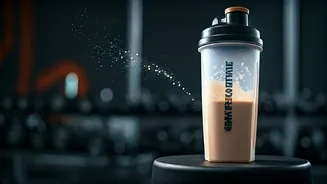
Finally, the type of protein you eat matters. High-quality proteins are those that contain all nine essential amino acids, particularly leucine, which is a key trigger for muscle protein synthesis. [1, 6] Animal sources like lean meat, poultry, eggs, fish, and dairy are excellent complete proteins. [1, 23] Many plant-based proteins can also be effective, though some may lack certain amino acids, making it important to eat a variety of sources like beans, lentils, nuts, and soy products. [1, 19] While a whey protein shake is convenient, don't forget that whole food sources provide other essential nutrients that supplements lack. [12] The focus should be on a balanced, nutrient-rich diet that supports your overall health and fitness goals.