




The High Cost of an 'Ideal' Diet
The gap between recommended diets and what people can afford is significant. For instance, the globally recognised EAT-Lancet diet, which promotes a healthy and sustainable way of eating, is estimated to cost between $3 and $5 per person per day in rural
India. This is a stark contrast to the average daily food expenditure in rural areas, which is closer to just $1. Studies show that a nutritionally adequate diet for a family of four can cost thousands of rupees per month, a sum that is out of reach for many households who spend a large portion of their income on food. This financial pressure forces families to rely on cheaper, calorie-dense staples like rice and wheat, while cutting back on more expensive items like fruits, vegetables, and proteins.
Why Are Healthy Foods Often More Expensive?
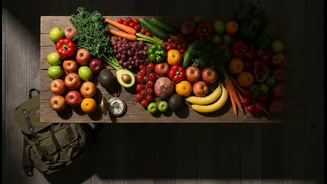
Several factors contribute to the higher price of nutritious foods. Fruits and vegetables are highly perishable and vulnerable to extreme weather events like heatwaves and unseasonal rains, which disrupt supply chains and drive up prices. Unlike staple grains, which are often supported by government policies, the supply chain for fresh produce is less robust, with inadequate storage and transportation infrastructure leading to waste and higher costs. Furthermore, the trend towards organic produce, while beneficial for health, comes with its own costs. Lower yields in organic farming and inefficiencies in getting these products to market mean they often carry a premium price tag. Imported 'superfoods' face additional hurdles like import duties, taxes, and extensive cold chain logistics, making them a luxury item.
The Nutrition Gap and Its Consequences
When cost becomes the primary driver of food choices, nutrition often takes a backseat. The result is a diet heavy in carbohydrates and processed foods but lacking in essential proteins, vitamins, and minerals. This imbalance doesn't just affect energy levels; it has long-term health consequences. High food inflation is directly linked to poor nutrition outcomes, especially for women and children. Diets deficient in essential nutrients can lead to issues like anaemia and stunted growth in children, while increasing the risk of non-communicable diseases such as diabetes and hypertension in adults.
Eating Well Without Breaking the Bank
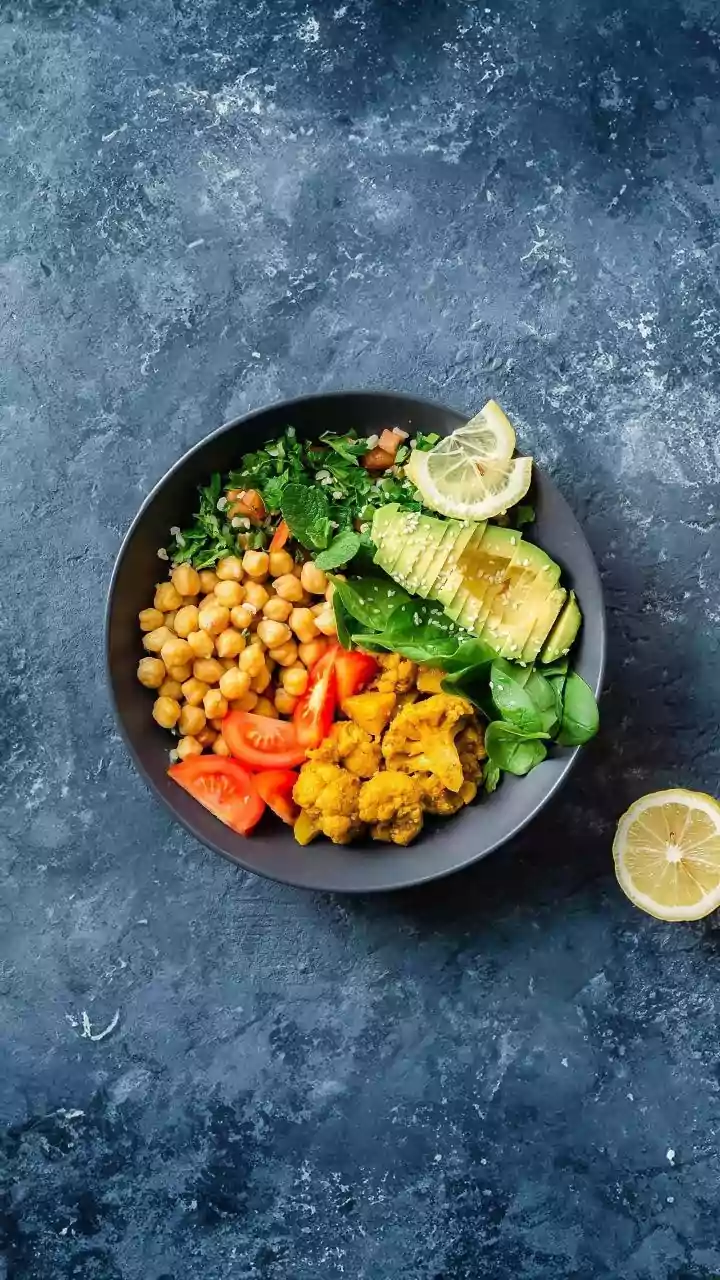
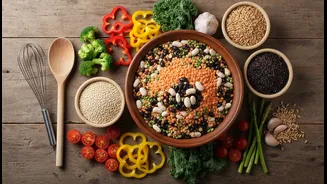
The good news is that a healthy diet in India does not have to be expensive. The secret lies in embracing traditional, local foods that are both affordable and incredibly nutritious. Everyday Indian kitchens are already stocked with what could be considered 'superfoods'. Lentils (dals), for example, are a powerhouse of plant-based protein and fibre, with varieties like moong and masoor being particularly cost-effective. Eggs are another fantastic and affordable source of high-quality protein and essential vitamins. For carbohydrates, swapping refined grains for whole grains like millets (ragi, bajra, jowar) can significantly boost nutritional value without a hefty price increase. Seasonal vegetables and fruits are always cheaper and more nutrient-dense than their out-of-season or imported counterparts.
Smart Swaps for a Healthier Kitchen
Instead of expensive protein powders, consider sattu, soy chunks, peanuts, or paneer, which are readily available and budget-friendly. A simple snack of roasted chana or a banana with a handful of peanuts is far healthier and more economical than a packet of chips or cookies. Incorporating homemade curd provides probiotics for gut health at a fraction of the cost of commercial yogurts. Sprouting lentils like moong can also enhance their nutritional profile, making them an excellent addition to salads and meals. The foundation of a healthy Indian meal—dal, roti or rice, a vegetable sabzi, and curd—is a balanced and affordable framework that has been time-tested.