





The End of an Era for the ISS
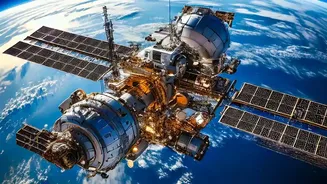
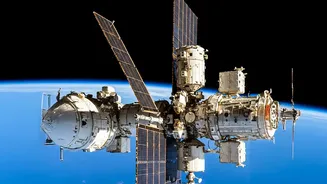
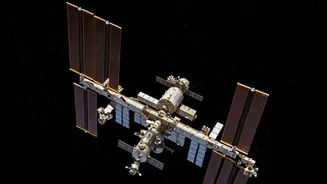
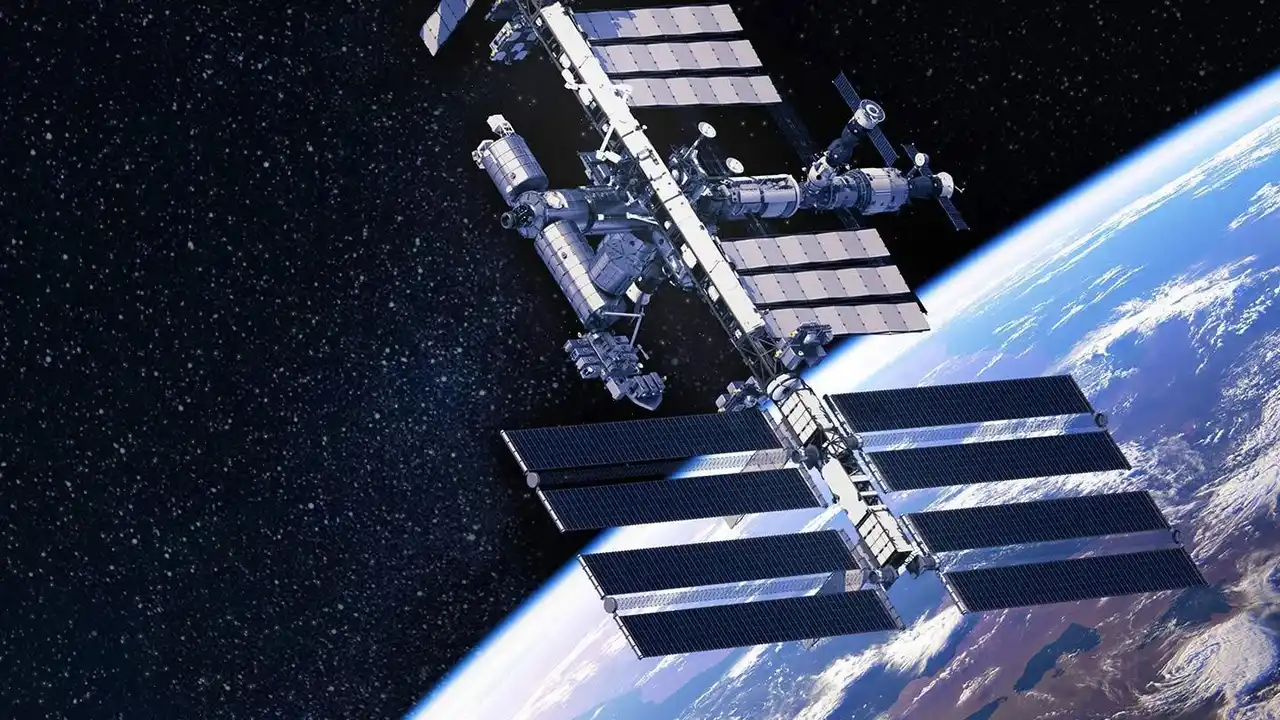
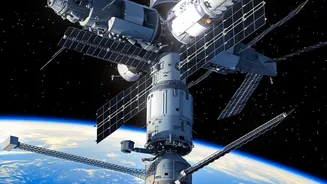
The International Space Station is one of modern history’s greatest engineering marvels, a symbol of global cooperation that has been continuously inhabited since November 2000. However, after three decades of service, the station is showing its age.
Rising maintenance costs, structural fatigue from micrometeoroid impacts, and the simple wear-and-tear of operating in the harsh environment of space have made its long-term operation unsustainable. NASA and its international partners have committed to operating the ISS through 2030, after which it will perform a final, fiery descent. A specially developed deorbit vehicle will guide the 450-tonne structure to a controlled re-entry over a remote part of the Pacific Ocean, ensuring a safe conclusion to its storied mission.
NASA's Pivot to Commercial Customer
Instead of building another government-owned station, NASA is making a significant strategic pivot: from owner and operator to customer. Through its Commercial Low-Earth Orbit Destinations (CLD) program, the agency is fostering a new commercial marketplace in space. The goal is to avoid a gap in American presence in orbit and to purchase services—like research time and astronaut accommodation—from multiple private providers. This model frees NASA to focus its resources on deep space exploration, like the Artemis missions to the Moon and Mars, while stimulating a robust, self-sustaining economy in low-Earth orbit driven by private enterprise. After some debate and proposed strategy changes in early 2026, NASA confirmed it would stick to its original plan of supporting free-flying commercial stations, a move applauded by the industry.
The Contenders: Axiom's Bridging Strategy
Leading the pack is Axiom Space, a Houston-based company with a unique approach. Axiom is already a major player, having flown multiple private astronaut missions to the ISS. Their plan is to first build modules that attach directly to the existing space station, starting with a first module planned for launch around 2027. These modules will be tested and proven while connected to the ISS. Then, before the ISS is decommissioned, the Axiom modules will detach and become a free-flying, independent station. This 'bridging' strategy allows Axiom to build its business and operational experience incrementally, leveraging the ISS infrastructure before going solo.
New Blueprints for Living in Space
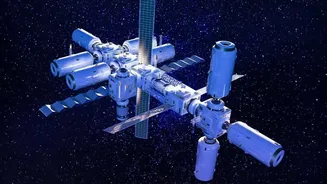
Other companies are taking a more direct-to-orbit approach. The Starlab station, a joint venture between Voyager Space and Airbus, is designed as a single, large habitat focused on science and research, with a planned launch in 2029. Another major project is Orbital Reef, led by Blue Origin and Sierra Space, envisioned as a "mixed-use business park in space" catering to research, manufacturing, and even space tourism. And Vast, a California startup, aims to be the first to fly a standalone commercial station with its Haven-1, a smaller single-module habitat targeting launch in early 2027. Each of these companies has a different design philosophy, from inflatable modules to spinning stations that could one day create artificial gravity, all competing to define the next generation of orbital architecture.
Hurdles and Cosmic Ambitions
The ambition is immense, but so are the challenges. Building and operating a space station is one of the most complex and expensive undertakings imaginable. These companies must overcome enormous technical hurdles, secure billions in financing, and prove that a viable commercial market for low-Earth orbit exists beyond NASA. The timeline is tight; any significant delays could create a gap between the ISS's retirement and the availability of its commercial replacements. The success of this transition hinges not just on engineering prowess, but on the ability of these pioneers to build a sustainable business model hundreds of kilometers above the Earth. The stakes are high, as the outcome will determine whether humanity maintains its permanent foothold in orbit without interruption.