



What Is Root Rot, Really?
Let's get one thing straight: root rot isn't just about "too much water." It's about suffocation. When soil stays consistently soggy, the air pockets that roots need to breathe disappear. Deprived of oxygen, the roots start to die and decay. This oxygen-starved,
waterlogged environment is the perfect breeding ground for fungi and bacteria that are naturally present in the soil. These opportunistic pathogens then feast on the weakened roots, causing them to turn into a mushy, brown mess. The plant can no longer absorb water or nutrients, and despite being in wet soil, it essentially begins to starve and dehydrate. It’s a tragic, ironic end for a plant that was, in all likelihood, killed with kindness. So, while your intentions were pure, the outcome is a plant gasping for air beneath the soil.
Spotting the Danger Signs
Your plant will try to tell you something is wrong long before it gives up completely. You just need to know the language. The most common sign is yellowing leaves (chlorosis), especially lower ones, that feel soft, not crispy. The plant might look wilted or droopy, even though the soil is wet—a confusing signal that often tempts people to water it even more. Check the base of the stem; if it feels soft and squishy, you're in the danger zone. Growth will likely be stunted, with no new leaves or shoots appearing. The ultimate confirmation? A quick sniff of the soil. If you detect a foul, swampy, or rotten-egg-like odour, that’s the smell of decay. Don't ignore these SOS signals. Your plant is waving a yellow flag, begging for a rescue.
The Emergency Room: A Rescue Guide
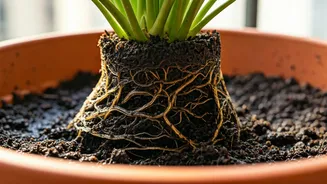
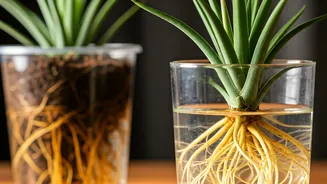
If you suspect root rot, it's time for immediate surgery. First, gently slide the plant out of its pot. Don't be afraid to get your hands dirty. Carefully shake off the excess soil and examine the root ball. Healthy roots are typically firm and white or light-coloured. Rotted roots will be brown or black, mushy to the touch, and may fall apart easily. Using a clean, sharp pair of scissors or pruning shears, trim away every single piece of rotten root. Be ruthless; leaving any behind will allow the rot to spread again. If you've had to remove a significant portion of the root system, it’s a good idea to also prune back about a third of the plant's foliage. This helps balance the plant, as the reduced root system can't support a full canopy. Finally, discard all the old, contaminated soil and wash the pot thoroughly with soap and water before repotting your patient in fresh, well-draining potting mix.
Prevention Is the Best Medicine
Rescuing a plant from root rot is stressful for both you and the plant. Prevention is far easier. First, master the finger test: before watering, stick your finger about an inch or two into the soil. If it feels moist, wait. If it's dry, it's time to water. Second, drainage is non-negotiable. Ensure your pot has drainage holes at the bottom. If you use a decorative cachepot without holes, always remove the inner plastic pot to water, let it drain completely, and then place it back. Third, choose the right pot size. A pot that’s too large holds excess soil that stays wet for too long, creating a perfect storm for rot. Finally, understand your plant's specific needs. A succulent from the desert has very different water requirements than a fern from a tropical rainforest. A little research on your specific plant baby goes a long way in keeping it happy and healthy.