





From Itineraries to Intuition
For years, travel was a game of accumulation. We collected destinations like stamps in a passport, dutifully checking off monuments, viewpoints, and 'must-do' activities. A successful trip was measured by how much you could cram into a weekend, with photos
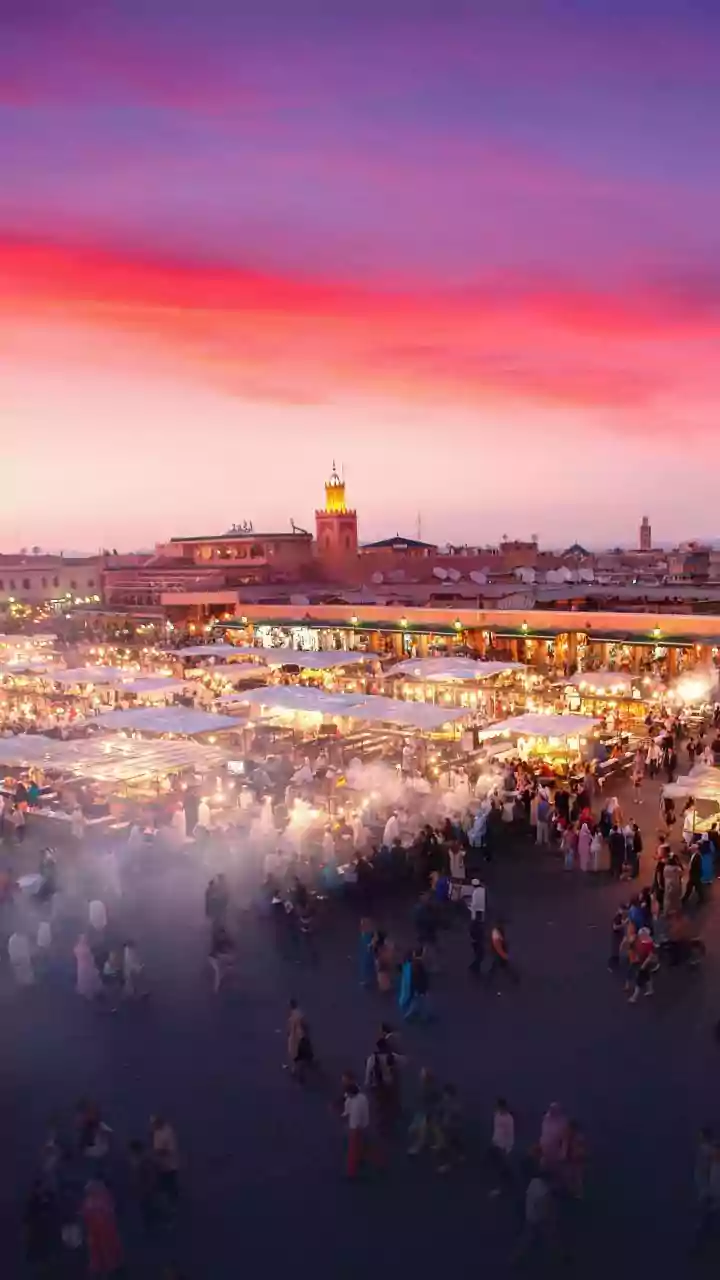
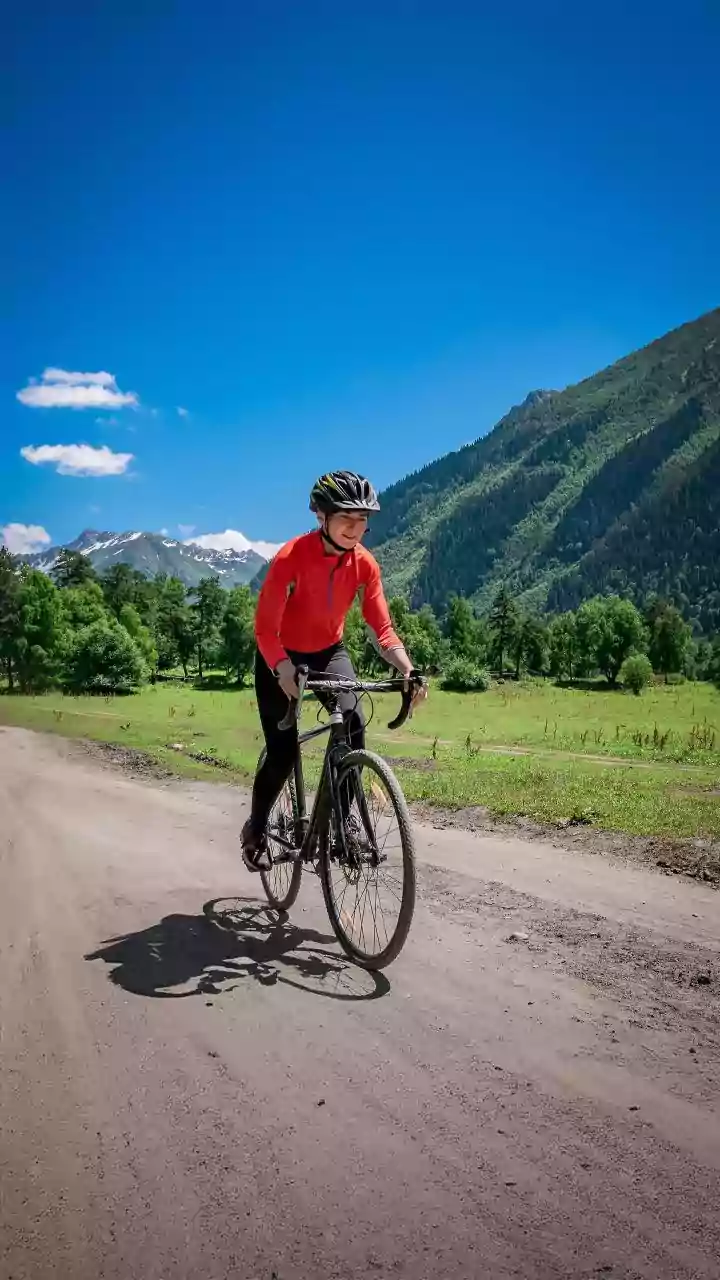
serving as proof of a life well-lived. But this monsoon, a quiet rebellion is underway. Travellers across India are trading in their packed schedules for something far more elusive: a feeling. This new approach isn't about laziness; it's about intention. It’s the conscious decision to let go of the pressure to 'do' everything and instead focus on 'being' somewhere. The goal is no longer to conquer a destination but to connect with it. Instead of a frantic race from one photo spot to another, this trend prioritises lingering over a cup of chai while the rain patters on a tin roof, or spending an entire afternoon reading a book by a window overlooking a misty valley. It’s a shift from the external (what you see) to the internal (what you feel).
The Post-Pandemic Search for Meaning
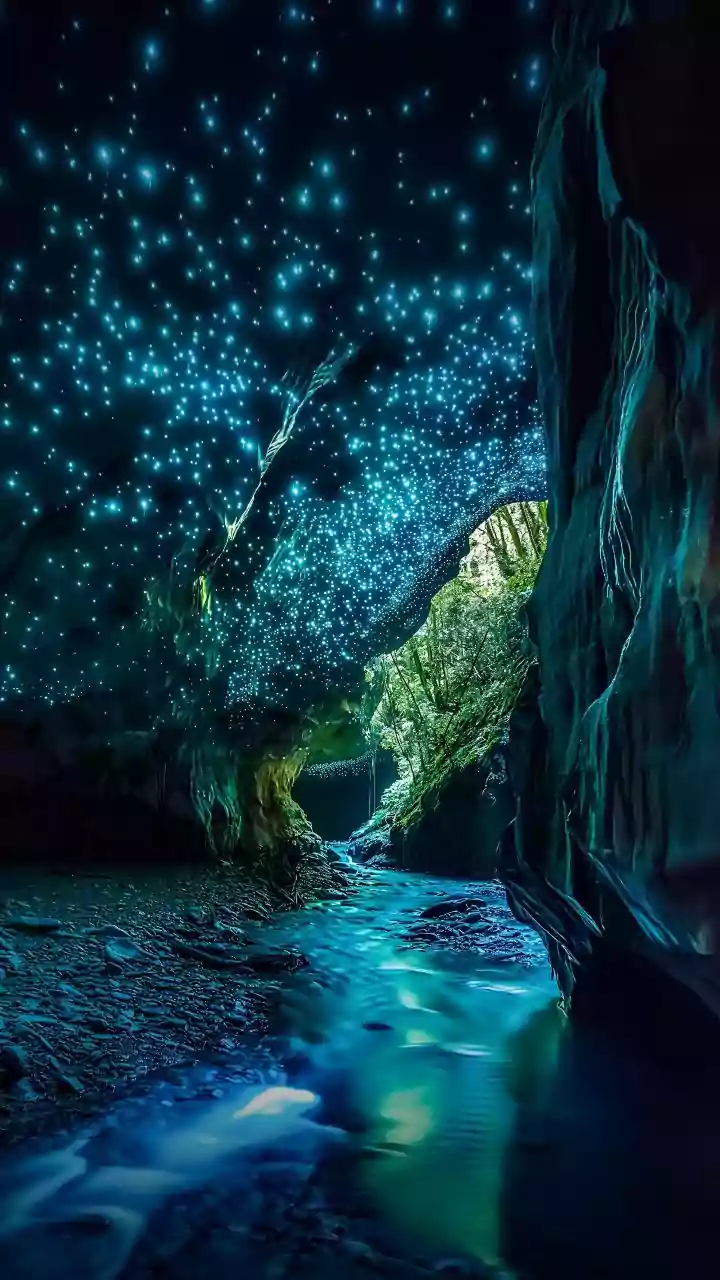
So, why now? The answer lies partly in our collective post-pandemic consciousness. After years of digital saturation, screen fatigue, and social isolation, there is a deep-seated craving for authenticity and tangible experiences. The endless scroll of picture-perfect vacations on social media has started to feel hollow. People are seeking a remedy for burnout, not another reason to perform. This has given rise to what travel experts call 'emotional' or 'experiential' tourism. It’s a direct response to a world that often feels overwhelmingly fast and superficial. The focus is on engaging the senses—the smell of wet earth (petrichor), the sound of a roaring waterfall, the taste of a hyper-local dish, the sight of fireflies illuminating a dark forest. These are moments that can't be easily captured for Instagram, but they are etched into memory, providing a sense of grounding and presence that a simple photo cannot.
What 'Feeling Something' Looks Like
This trend isn't about specific destinations, but a mindset that can be applied anywhere. It could be choosing a homestay in the backwaters of Kerala, not for the houseboat cliché, but to listen to the rhythm of local life as the monsoon swells the canals. It might mean a trip to the Western Ghats, not just to trek, but to practice 'forest bathing' (shinrin-yoku), simply walking slowly and absorbing the atmosphere of the woods. In places like Coorg, it’s about watching the clouds roll through the coffee plantations. In the hills of Uttarakhand, it’s about finding a quiet corner to watch the rain wash the mountains clean. It’s also about human connection—swapping stories with a homestay owner, learning a local recipe, or simply enjoying the quiet companionship of fellow travellers who are also seeking a slower pace. The luxury here isn't opulence; it's simplicity, space, and time.
The Monsoon as the Perfect Backdrop
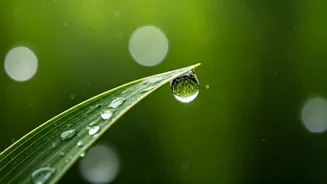
The monsoon season is uniquely suited for this kind of introspective travel. It’s a time of profound transformation in the Indian landscape. The world turns a vibrant, impossible green. The air becomes heavy with mood and atmosphere. The drama of a thunderstorm, the quiet drizzle of a soft shower, the mist that obscures and then reveals a landscape—these are powerful, emotionally resonant experiences. Unlike the relentless sunshine of summer, the monsoon offers a natural pause. The rain provides a convenient excuse to slow down, to stay indoors, to read, to talk, or to do nothing at all. It encourages a surrender to the elements rather than a battle against them. This enforced stillness is where the magic happens, allowing for the kind of reflection and sensory engagement that a busy, sun-drenched holiday often precludes.