



A Collision of Continents
The primary source of Nepal's disaster risk lies deep beneath the earth’s surface. The country sits directly on the boundary where the Indian tectonic plate collides with the much larger Eurasian plate. The Indian plate is constantly pushing northward
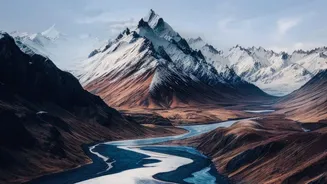
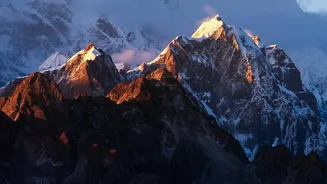
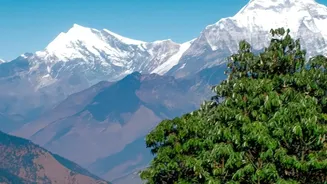
at a rate of about five centimetres per year, sliding under the Eurasian plate. This immense, ongoing collision is what formed the Himalayan mountain range over millions of years. But this process is not smooth; friction causes massive stress to build up along the fault lines. When this accumulated pressure is suddenly released, it results in powerful earthquakes. Because these quakes can occur at a shallow depth, their destructive power on the surface is amplified, making Nepal one of the world's most earthquake-prone regions.
Young Mountains and Steep Slopes
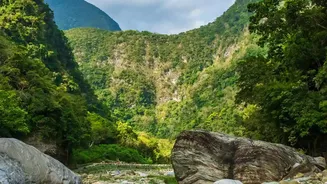
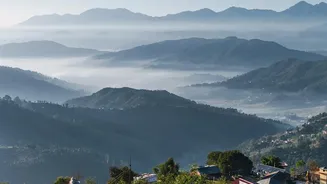
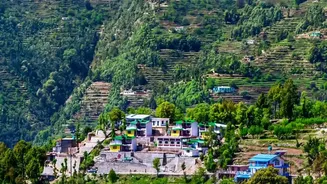
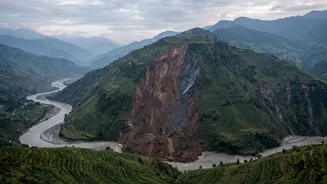
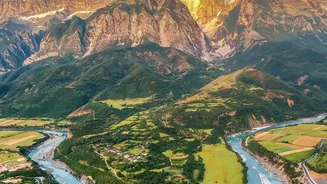
The Himalayas are geologically young mountains, which means they are not as settled and stable as older ranges. Composed of steep, fragile terrain and narrow valleys, this topography is inherently susceptible to landslides. Earthquakes are a major trigger, shaking loose vast amounts of rock and soil. However, even without seismic activity, the intense monsoon rains can saturate the ground, leading to catastrophic slope failures. Unplanned road construction and deforestation often weaken the land further, exacerbating the risk. These landslides can travel rapidly down the steep valleys, burying villages and infrastructure with little to no warning.
Water, Ice, and Fury
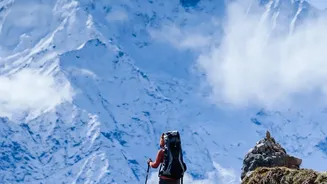
Nepal faces a dual threat from water-related disasters. Firstly, the annual monsoon brings torrential rainfall, causing the country's more than 6,000 rivers to swell and trigger devastating floods, particularly in the southern Terai plains. Secondly, a more insidious threat is growing in the high mountains due to climate change: Glacial Lake Outburst Floods (GLOFs). As global temperatures rise, Himalayan glaciers are melting at an accelerated rate, forming large, unstable lakes dammed only by loose rock and ice, known as moraines. These natural dams can breach suddenly, releasing millions of cubic meters of water, mud, and debris in a deadly torrent that can destroy everything for kilometers downstream.
The Cascade of Calamity
What makes Nepal's situation particularly complex is that these disasters rarely happen in isolation. Instead, they often create a deadly chain reaction known as a cascading hazard. For example, an earthquake can trigger an avalanche high in the mountains. That avalanche or a landslide can then crash into a river, forming a temporary dam. When the immense pressure of the blocked water eventually breaks through this dam, it results in a massive flash flood downstream, affecting communities far from the initial event. This compounding effect means that a single natural event can evolve into multiple, interconnected disasters, magnifying the overall destruction.
The Human Dimension
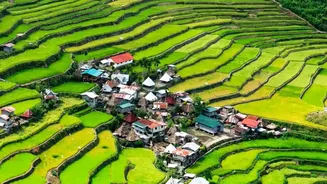
Natural hazards become human disasters due to underlying social and economic factors. In Nepal, a significant portion of the population lives in areas exposed to these risks. Poverty, rapid and often unplanned urbanization, and the construction of homes and infrastructure in vulnerable locations like riverbanks and on unstable slopes significantly increase the potential for loss of life and property. Limited resources and weak infrastructure can hamper rescue and relief efforts, isolating entire communities when roads and bridges are destroyed. This combination of high hazard exposure and high vulnerability is what makes Nepal’s disaster risk so profoundly complex and challenging to manage.