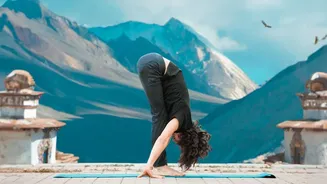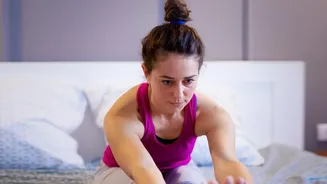


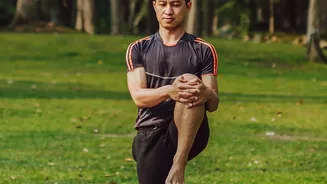
In the quest for flexibility, it’s tempting to push, pull, and bounce your way into a deeper Seated Forward Bend. But what if the secret to unlocking this classic posture isn’t force, but finesse? The key lies in slowing down your movement.
Beyond Touching Your Toes
Paschimottanasana,
or the Seated Forward Bend, is a foundational yoga pose known for stretching the entire back of the body, from the calves to the hamstrings and up through the spine. While it looks like a simple attempt to touch your toes, its true purpose is far more profound. It’s designed to calm the nervous system, aid digestion through gentle abdominal compression, and promote a sense of introspection. However, a common mistake is to approach this pose with ambition, yanking on the feet and rounding the back aggressively to force the head to the knees. This approach not only risks injury to the lower back and hamstring attachments but also misses the point of the practice entirely. The goal isn't just depth; it's awareness.
The Body’s Built-In Brakes
When you try to stretch a muscle too quickly, you trigger a protective mechanism called the stretch reflex, or myotatic reflex. Think of it as your body’s emergency brake system. Sensory receptors in your muscles, called muscle spindles, detect a sudden change in length and send an urgent message to the spinal cord. The spinal cord immediately signals the muscle to contract to prevent it from tearing. This is why bouncing in a stretch is counterproductive. Instead of helping the muscle lengthen, the forceful, jerky movements cause it to tighten up in self-defense. This can limit your flexibility and even lead to micro-tears in the muscle tissue. A slow, deliberate movement, on the other hand, bypasses this reflex, signaling to the nervous system that the stretch is safe. This allows the muscle to relax and lengthen effectively.
Awareness Over Ambition
Slowing down your entry into Paschimottanasana transforms it from a purely physical stretch into a mindful practice. It encourages you to turn your attention inward and develop greater body awareness. Instead of striving for a specific shape, you learn to observe the subtle sensations in your body. Where do you feel the stretch most intensely? Are you holding your breath? Are your shoulders creeping up toward your ears? Slow, steady breathing combined with slow movement activates the parasympathetic nervous system, our 'rest and digest' state. This calms the mind, reduces stress, and makes the body more receptive to releasing tension. The focus shifts from achieving a goal to experiencing the process, which is a core principle of yoga.
A Step-by-Step Guide to Slow Practice
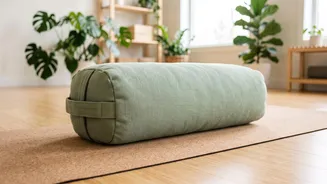
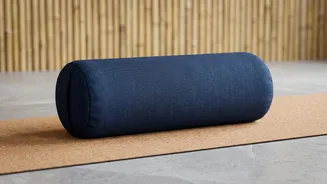
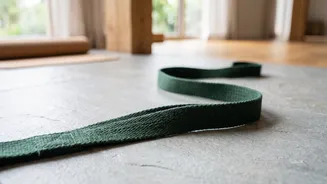
To experience the benefits of a slow range of motion, try this approach. Sit on the floor with your legs extended in front of you. You can place a folded blanket under your sitting bones to help tilt your pelvis forward, which is especially helpful if your lower back tends to round. Inhale and lengthen your spine, imagining a string pulling the crown of your head toward the ceiling. As you exhale, begin to hinge forward from your hips, not your waist, keeping your back as long as possible. Move incrementally, perhaps only a centimetre with each breath. Let your hands rest wherever they land comfortably—on your shins, ankles, or a strap looped around your feet. Avoid the temptation to pull. With each inhale, feel your spine lengthen slightly; with each exhale, allow your body to soften and release into the fold. Hold the pose where you feel a comfortable stretch, not pain, and breathe steadily for 30 to 60 seconds.
Listening to Your Body’s Limits
Ultimately, a slow practice is about respecting your body's unique limits on any given day. Flexibility isn't static; it changes based on activity levels, time of day, and even stress. The most important technique is to listen to the feedback your body provides. Sharp pain, especially behind the knee or in the lower back, is a clear signal to ease off. It's far more beneficial to use a strap or keep a generous bend in your knees than to force your legs straight and strain your back. Remember that a bent-knee version of the pose, performed with a long spine and mindful awareness, is a complete and valid expression of Paschimottanasana. Progress is not measured by how far you can fold, but by how well you can maintain a sense of ease and steady breath within your current range of motion.