




The Core Problem: Why Humidity is a Health Risk
To understand why cooling methods fail, we first need to grasp why humidity is uniquely dangerous for pets like cats and dogs. Unlike humans who sweat across their entire bodies to cool down, our furry companions have very limited sweat glands, mostly
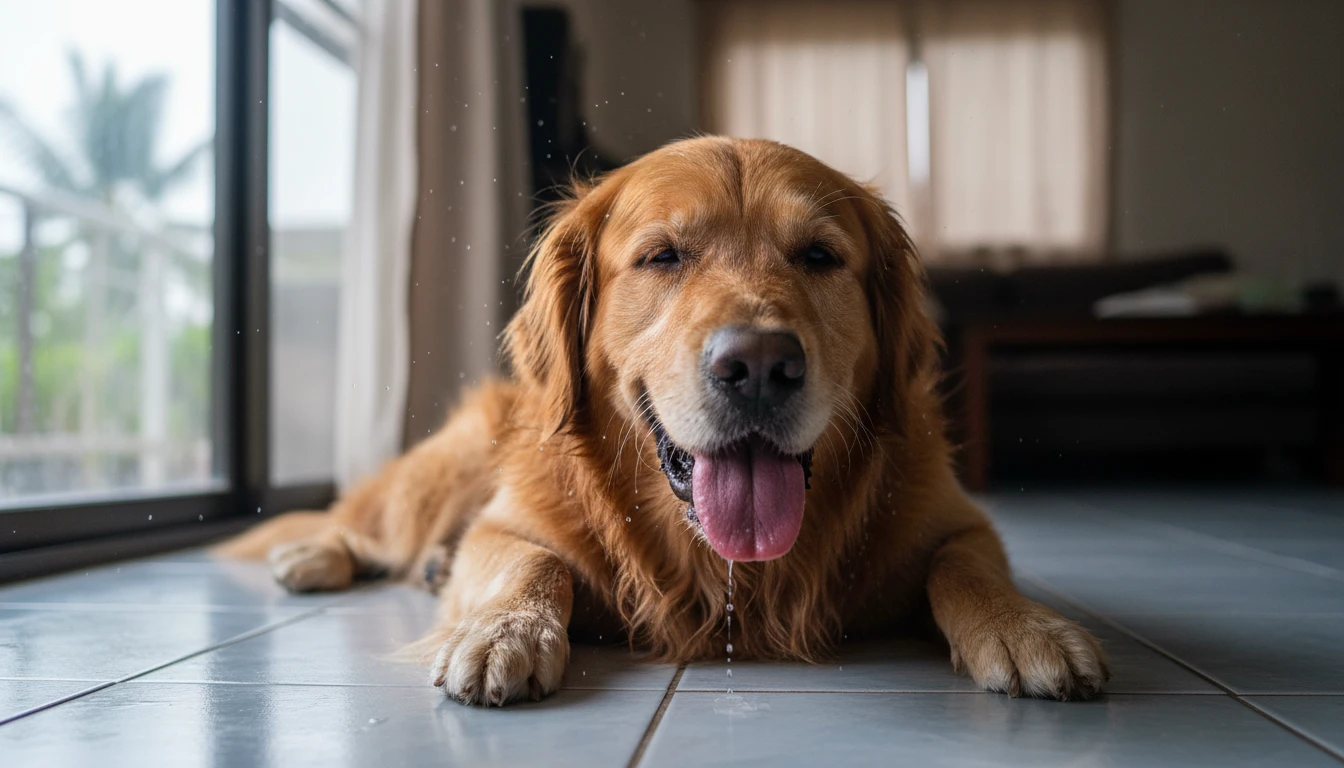
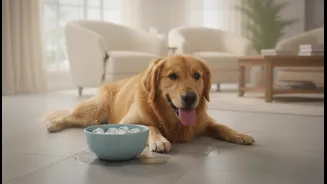
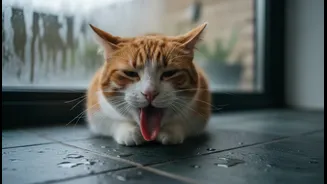
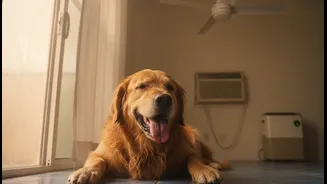
in their paws. Their primary cooling mechanism is panting. Panting works through evaporation: as air moves over the moist surfaces of the tongue and respiratory tract, it helps cool them down. However, when the air is already saturated with moisture—as it is in high humidity—this evaporative process becomes extremely inefficient. At a certain point, panting can provide almost no cooling relief at all, causing a pet's body temperature to rise dangerously fast. This puts them at a high risk for heat exhaustion and heatstroke, even when indoors.
Myth: A Fan Will Keep My Pet Cool
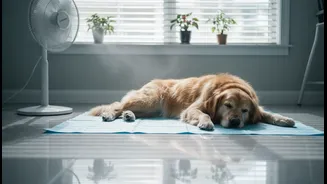
Many owners believe that a running fan is a sufficient safeguard against indoor heat. This is a critical misunderstanding. Fans do not actually lower the temperature of the air; they cool people by accelerating the evaporation of sweat from our skin. Since dogs and cats do not sweat effectively and are covered in insulating fur, a fan simply blows hot, humid air at them. While it can help circulate air and may offer a minor degree of cooling by aiding the panting process, it is largely ineffective at preventing overheating in truly hot and humid conditions. In some extreme cases, a fan blowing very hot air can even accelerate dehydration. Relying solely on a fan gives a false sense of security while your pet may still be in significant distress.
Myth: Panting is a Sign That Cooling is Working
While panting is a pet's natural way to try and cool down, observing it is not proof that the method is successful. In fact, excessive or heavy panting, especially while at rest, is a primary warning sign that your pet is already overheating and struggling. If the humidity is high, your pet may be panting desperately with very little cooling effect. It is a sign of effort, not necessarily of success. Other critical signs of heatstroke include excessive drooling, bright red or pale gums, weakness, disorientation, stumbling, vomiting, and in severe cases, collapse or seizures. By the time these symptoms appear, your pet is already in a medical emergency. The window between appearing uncomfortably warm and being in a crisis is dangerously short.
The Reality: Dehumidification is Key
The evidence of pet overheating in humid homes doesn't prove that cooling is impossible; it proves that we're often using the wrong tools. The most effective solution is not just moving air, but changing its quality. An air conditioner is the gold standard because it does two things simultaneously: it lowers the ambient temperature and, crucially, it removes moisture from the air. By reducing humidity, an AC unit restores the effectiveness of your pet's natural panting mechanism. For homes where central air conditioning isn't an option, a dehumidifier can be a powerful tool to make the environment safer and more comfortable. Maintaining an indoor humidity level between 40% and 60% is ideal for most dogs and cats. This, combined with a comfortable temperature, creates a genuinely safe indoor space.
What You Can Do Right Now
Beyond managing the air, providing ample cool, fresh water is essential to help your pet stay hydrated. Some pets are more inclined to drink from a running source, so a pet-friendly water fountain can encourage hydration. Cooling mats can also provide relief, but they should be monitored as some can retain heat after prolonged use. Contrary to some beliefs, placing a damp towel over a pet can trap heat; it's better to let them lie on a cool, damp towel. For breeds with thick coats, regular grooming to remove loose undercoat can improve air circulation, but shaving double-coated breeds is not recommended as their coat acts as insulation from both heat and cold. Ultimately, being proactive and understanding the science of how your pet cools down is the best defence.