


From Peak Season to Peak Experience
For decades, the rhythm of Indian travel was predictable: families would pack their bags during school holidays or use the handful of major public holidays for a quick getaway. The result was often crowded destinations, inflated prices, and a formulaic
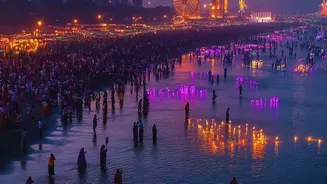
experience. Now, a significant shift is underway. Travellers are increasingly prioritising the 'what' and 'why' of their trip over the 'when'. Instead of just seeking a break, they are chasing immersive experiences, and festivals provide the perfect anchor. Recent reports highlight this growing appetite for culture-led travel, with a staggering 72% of Indian travellers saying they would consider planning a trip specifically to attend a major cultural or religious festival. This signifies a move away from passive sightseeing towards active participation in a region's living heritage.
The Allure of Authenticity
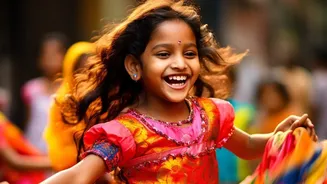
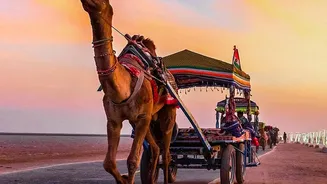
At the heart of this trend is a desire for authenticity and connection. Modern travellers, particularly millennials and Gen Z, are driven by a quest for memorable experiences rather than just visiting landmarks. Festivals offer a unique window into the soul of a place, providing a sensory overload of local music, food, rituals, and community spirit. Planning a trip around an event like the Hornbill Festival in Nagaland, the Rann Utsav in Gujarat, or the Ziro Music Festival in Arunachal Pradesh turns a simple holiday into a story worth telling. Recent survey data shows that 84% of Indians report their interest in culture-led travel has grown, with many venturing into Tier II and Tier III towns to discover these authentic moments, far from the traditional tourist circuit.
Smarter Travel, Bigger Rewards
Beyond the cultural pull, this trend is also rooted in practicality. Planning a trip around a festival often means travelling during a region’s shoulder or off-season, which can lead to significant savings on flights and accommodation. With fewer crowds to contend with, the experience at the destination feels more relaxed and personal. Travel companies have noted that this flexibility is creating new travel periods outside of the traditional summer and year-end peaks. The months of September and October, for instance, are gaining popularity due to a series of regional festivals like Durga Puja and Navratri, coupled with pleasant post-monsoon weather. Travellers are becoming more intentional, with 40% now planning these culture-focused trips three to six months in advance, prioritising festival dates even over airfare costs.
The Social Media Effect
The rise of festival tourism cannot be discussed without mentioning the profound impact of social media. Platforms like Instagram and YouTube have become the new travel brochures, with vibrant reels and vlogs of events like the La Tomatina festival (popularised by Bollywood) or the Lantern Festival in Vietnam sparking a fear of missing out (FOMO) and inspiring travel plans. Influencers and user-generated content are powerful drivers, making once-niche events seem accessible and unmissable. According to one report, social media and YouTube are credited by 42% of travellers as the biggest drivers behind their growing interest in culture-led travel. The question is shifting from 'where should I go?' to 'what can I experience?', and social media provides an endless stream of compelling answers.