


The Magic Without The Tandoor
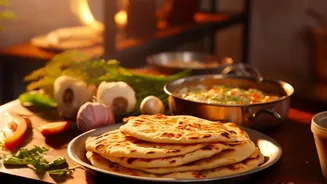
The secret to restaurant-style naan is the intense, direct heat of a tandoor, a traditional clay oven that can reach blistering temperatures. This heat cooks the bread quickly, creating a soft, airy interior and the iconic charred bubbles on the surface.
While a home oven can't quite replicate this, a humble tawa—the flat or concave iron griddle found in most Indian kitchens—can. The method involves heating the tawa until it's extremely hot and then, for those with a gas stove, inverting the entire pan over an open flame. This direct exposure to the flame chars the top of the naan, mimicking the tandoor effect beautifully. If you have an electric or induction hob, you can still achieve a wonderful result by cooking both sides on the hot tawa.
Gathering Your Key Ingredients
The beauty of naan lies in its simple ingredient list. For a soft, flavourful dough, you will need all-purpose flour (maida), a leavening agent like baking powder or instant yeast, salt, a little sugar, and oil. However, the most critical ingredient for achieving that signature softness and subtle tang is yogurt (dahi). Full-fat yogurt tenderises the dough by inhibiting gluten development and adds necessary moisture, resulting in a bread that is pliable and tender rather than tough. For the garlic topping, you’ll need finely chopped fresh garlic, fresh coriander leaves, and a generous amount of butter or ghee for brushing at the end.
Crafting The Perfect Soft Dough
Begin by combining your dry ingredients—flour, salt, sugar, and your chosen leavening agent (baking powder for a no-yeast version)—in a large bowl. Then, create a well in the centre and add the wet ingredients: yogurt, oil, and warm milk or water. Mix everything until a shaggy dough forms, then turn it out onto a lightly floured surface. Knead for about 8-10 minutes until the dough is smooth, elastic, and slightly sticky but manageable. The goal is a soft, pliable dough. Once kneaded, place the dough in a lightly oiled bowl, cover it with a damp cloth, and let it rest in a warm place. If using yeast, this may take 1-2 hours for the dough to double in size. For a no-yeast recipe, a rest of at least 30-60 minutes is still crucial to relax the gluten, which makes the naan easier to roll and results in a softer texture.
Rolling and Flavouring Your Naan
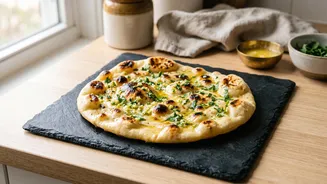
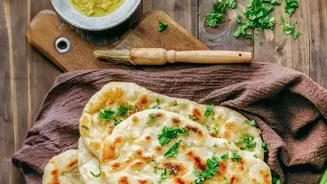
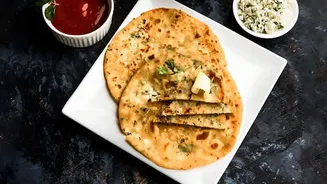
After the dough has rested, punch it down gently and divide it into equal-sized balls. Take one ball and roll it into the classic oval or teardrop shape, about a quarter-inch thick. Don't roll it too thin, as a bit of thickness helps it puff up and remain soft. Now, for the flavour: sprinkle a generous amount of finely chopped garlic and fresh coriander over the rolled dough. Gently press the toppings into the surface with your rolling pin to ensure they stick. The final, crucial step before cooking is to flip the naan over and brush the plain side with water. This moisture is what will help the naan stick to the hot tawa, allowing you to invert it over the flame without it falling off.
The Tawa-Flip Technique Explained
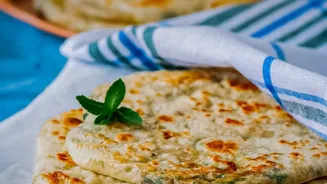
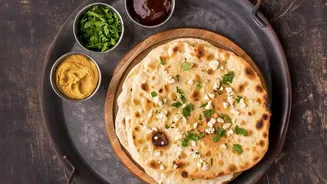
Heat an iron tawa over high heat until it is very hot; a few drops of water flicked on the surface should sizzle and evaporate instantly. Carefully place the naan, water-side down, onto the hot tawa. Press down gently for a few seconds. Let it cook for about 60-90 seconds. You will see bubbles start to form on the surface. Now, for the signature char: firmly grip the tawa handle and flip it upside down, holding it a few inches over the direct gas flame. Cook for 30-60 seconds, moving it around to get an even char, until dark brown or black spots appear. Turn the tawa back over and use tongs to remove the naan. If you don't have a gas stove, simply flip the naan on the tawa and cook the other side for another minute or two until golden spots appear.
Finishing Touches For Success
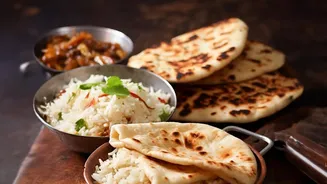
The moment your hot naan comes off the tawa, brush it generously with melted butter or ghee. This not only adds incredible flavour but is essential for keeping the naan soft and preventing it from drying out. As you cook the remaining naans, stack the finished ones and keep them covered with a clean kitchen towel. This traps the steam and ensures every naan stays warm, soft, and ready to serve. Don't be discouraged if your first attempt isn't perfect; mastering the heat of your stove and the tawa-flip technique might take a couple of tries. Using an iron tawa is highly recommended, as non-stick surfaces are not suitable for the high heat and direct flame method.