




The Floating Advantage: More Than Just Space
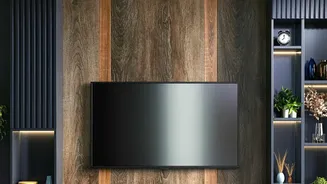
A wall-mounted or 'floating' TV unit combines shelving, and sometimes drawers, into a single piece of furniture that attaches directly to the wall, lifting everything off the floor. The most immediate benefit is the reclamation of floor space that a traditional
TV stand would occupy. This instantly makes a room feel larger, lighter, and more open. By drawing the eye upward, these units create an illusion of height and spaciousness, a critical design trick for compact homes. Beyond aesthetics, they offer a practical solution for organising media devices, remote controls, and decor without contributing to floor clutter. This streamlined approach aligns with modern minimalist trends, promoting a tidy and visually calming environment.
A Renter's Dilemma: Installation and Wall Damage
For renters, the biggest hurdle is the installation. The word 'mounted' often brings fears of drilling large holes and losing a security deposit. However, many modern wall units are designed with renters in mind. Before doing anything, the first step is always to review your lease and, if possible, get written permission from your landlord. Many landlords are agreeable to minor alterations if they know you plan to repair the holes upon moving out. For a secure installation that can support the weight of a TV and the unit itself, it is crucial to drill into wall studs—the vertical wood beams that frame the wall. Using a stud finder is the most reliable method to locate them. The holes left by screws are typically small and can be easily patched with spackle, sanded down, and touched up with paint before you vacate the property.
Low-Impact and No-Drill Alternatives
If your lease strictly forbids drilling, you still have options that mimic the space-saving effect. Some 'no-stud' mounting kits use a series of small nails that leave behind only tiny, easily-fillable pinholes. Another excellent option for renters is a cantilever floor stand. This piece of furniture has a weighted base and a vertical spine that holds the TV, giving it a mounted look without touching the wall at all. Many also include integrated shelving. For lighter components of a media unit that don't bear the TV's weight, high-strength removable adhesive strips can sometimes be used, though it's crucial to check weight limits carefully. You can also combine a simple, leggy console table with a separately mounted TV to create a less bulky feel than a traditional entertainment centre.
Choosing the Right Unit for Your Space
Wall-mounted units come in a vast array of styles, from single floating shelves to elaborate systems with integrated cabinets and LED backlighting. For a small living room, choose a unit that is proportional to your TV and the wall. A massive unit can overwhelm the space, defeating the purpose. Consider a design with clean lines and a neutral colour like white, beige, or a light wood tone to enhance the feeling of openness. Models with built-in cable management are a major plus, as they provide channels or compartments to hide unsightly wires, contributing to a clean, professional finish. Measure your wall space and your TV before you start shopping to ensure a perfect fit.
Reclaiming Your Living Room Floor
Once the TV and media storage are off the ground, what do you do with all that newfound space? This is where you can truly enhance your living area's functionality. The open space beneath the unit makes cleaning the floor significantly easier. You can place low-profile items like decorative baskets for extra storage, a comfortable floor pouffe for additional seating, or even a sleek robot vacuum charging station. Leaving the space completely empty is also a powerful choice, as the clear walkway contributes to an uncluttered flow and a more relaxing atmosphere in your home. The visual breathing room it provides is often just as valuable as the physical square footage itself.