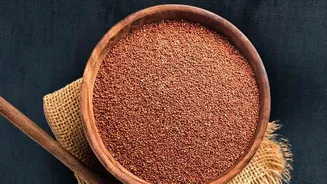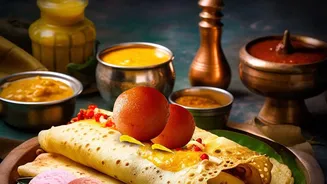






Walk into a trendy urban cafe today, and alongside the avocado toast and overnight oats, you’ll find a surprising new star: the millet breakfast bowl. This ancient grain, once a rural staple, is getting a modern makeover. But why now?
A Nutritional Powerhouse Returns
The primary driver
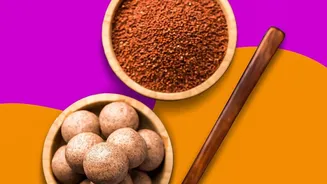
behind the millet revival is health. As modern consumers become more conscious of what they eat, millets present a compelling alternative to refined grains like wheat and white rice. They are naturally gluten-free, making them ideal for a growing population with gluten sensitivities. Furthermore, different millets offer specific benefits: ragi (finger millet) is famously rich in calcium, bajra (pearl millet) is packed with iron, and jowar (sorghum) is loaded with protein and fibre. With a lower glycemic index, they provide sustained energy without the sugar crash associated with more processed breakfast options, appealing to diabetics and the weight-conscious alike. This nutrient density makes them a 'superfood' that aligns perfectly with today's wellness-focused lifestyles.
The Global and Governmental Push
The trend isn't just a grassroots movement; it has received a significant boost from the top. India championed the United Nations' resolution to declare 2023 the 'International Year of Millets', placing the grain on the global stage. This initiative was a strategic move to rebrand millets from 'poor man's food' to a grain of national and international importance. The Indian government showcased millet-based cuisine at high-profile events like the G20 summit, demonstrating their culinary versatility to world leaders and sparking a sense of national pride. This official endorsement has encouraged chefs and food businesses to innovate, knowing there is a supportive ecosystem and growing consumer awareness.
From Humble Porridge to Instagram-Worthy Bowls
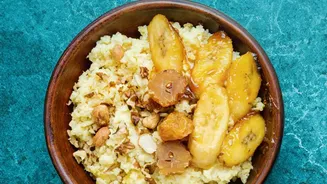
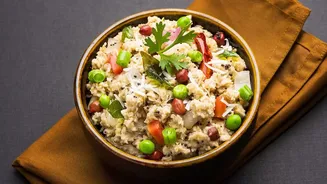
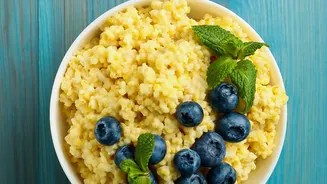
Today's millet breakfast is a far cry from the simple, rustic preparations of the past. Modern cafes are reinventing millet bowls to appeal to an urban palate that values both taste and aesthetics. Chefs are moving beyond basic porridge and creating visually appealing, texturally exciting dishes. Think creamy foxtail millet cooked in almond milk, topped with fresh mango, pistachios, and a hint of cardamom. Or savoury bowls with jowar, roasted vegetables, and a tangy dressing. By incorporating trendy ingredients and global flavours, cafes are making millets fashionable and desirable for a generation that documents its meals online. They are presenting tradition in a modern, convenient format.
The Sustainability and Farmer-Friendly Choice
Beyond the consumer's plate, millets are also a win for the planet and the farmer. These hardy crops are incredibly resilient, requiring significantly less water than rice and wheat—a crucial advantage in a climate changed world with increasing water scarcity. They can thrive in poor soil with minimal need for chemical fertilisers or pesticides, making them a cornerstone of sustainable agriculture. For smallholder farmers, especially in arid and semi‐arid regions, cultivating millets offers a more stable and lower‐risk livelihood compared to water‐guzzling cash crops. For the eco‐conscious cafe‐goer, choosing a millet bowl is a small act of environmental responsibility, supporting biodiversity and farmer resilience.