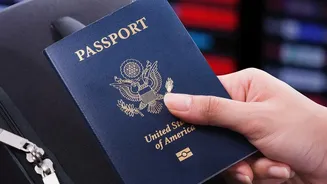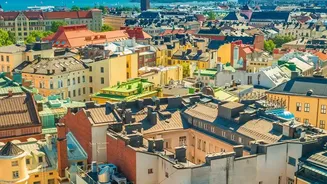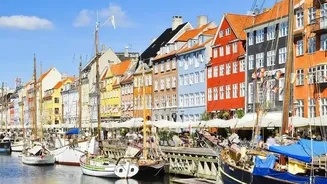







What if the power of a passport wasn't just about the borders it could cross, but the quality of life it represented? A new ranking, the 2026 Happy Passports Index, does just that, and New Zealand has landed an impressive eighth place.
More Than Just Mobility
For years, passport
rankings have been a simple game of numbers, dominated by a single question: how many countries can you visit without a visa? But the new Happy Passports Index by migration firm Global Citizen Solutions offers a fresh perspective. This innovative ranking assesses 50 countries not only on their travel freedom but also on the wellbeing, personal liberties, and overall prosperity of their citizens at home. The result is a more holistic view of a passport's power, reflecting both global access and domestic quality of life. The headline-grabbing conclusion is that the world's 'strongest' passports don't always belong to the 'happiest' populations, making for some surprising results.
How 'Happiness' Is Measured
To determine a passport's 'happiness' score, the index combines four key pillars, each with a 25% weighting. The first is 'Wellbeing', which draws on life satisfaction data from the World Happiness Report. The second, 'Freedom at Home', considers both the civil liberties people legally possess and their perceived freedom to make life choices. The third is 'Mobility', which evaluates not just the number of accessible countries but also the quality of life in those destinations. Finally, 'Prosperity, Health, and Safety' bundles together metrics like income per capita, healthy life expectancy, and peace. This multi-faceted approach explains why a country like Costa Rica can rank highly for happiness despite having a less powerful passport for travel.
New Zealand's Impressive Eighth Place
New Zealand's passport secured the eighth spot with a strong score of 84.4 out of 100, making it one of only two non-European nations in the top ten, alongside Singapore. The Kiwi passport performed well across the board, demonstrating a rare balance of strengths. It scored 23.5 points for international mobility, reflecting its powerful travel document, which also ranks highly on traditional indexes. It also earned 23 points for 'Freedom at Home', 19 for 'Prosperity, Health and Safety', and 18.8 for 'Wellbeing'. This consistent performance places it ahead of other major Anglophone countries, including Australia (12th), the United Kingdom (17th), and the United States (28th).
The Global Top Tier
The top of the Happy Passports Index is dominated by Northern European countries, renowned for their high standards of living. Finland claimed the number one spot with a score of 93.2, lauded for its world-leading life evaluation scores and high marks for freedom and mobility. It was followed closely by Iceland (92.4) and Denmark (92.1), both of which also excel in measures of personal freedom and safety. The rest of the top five includes Norway and Switzerland. This Nordic dominance reinforces the idea that while travel access is valuable, true passport power in this new paradigm is deeply connected to a nation's social fabric, safety, and the contentment of its people.