

Arashiyama Bamboo Grove, Kyoto
The Dream: You picture a serene, almost mystical walk through a towering forest of green bamboo stalks, with dappled sunlight filtering through the leaves as you stroll in peaceful contemplation. It's one of Kyoto's most photographed spots for a reason.The
Reality: The path through the main grove is surprisingly short, and from mid-morning onwards, it's often packed shoulder-to-shoulder with fellow tourists all vying for that perfect, people-free photo. The magical silence you imagined is more likely to be a buzz of chatter and clicking camera shutters. The sheer volume of people can detract from the natural beauty.The Verdict: It’s still a beautiful sight, but managing your expectations is key. To capture the magic, you must go early—ideally right after sunrise before the tour buses arrive. Alternatively, explore the wider Arashiyama area, which includes the lovely Togetsukyo Bridge, riverside walks, and numerous temples that are often far less crowded.
Kinkaku-ji (The Golden Pavilion), Kyoto
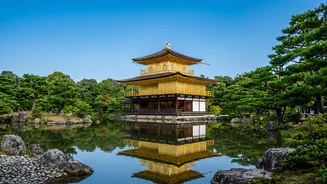
The Dream: A stunning, three-story pavilion completely covered in gold leaf, shimmering perfectly in the reflection of the surrounding pond. It’s a UNESCO World Heritage site and an iconic symbol of historic Kyoto.The Reality: The view is indeed as beautiful as the pictures suggest, but that’s largely all it is—a view. You cannot go inside the pavilion. Visitors are guided along a one-way path that offers a great photo opportunity from across the pond before moving on. The experience can feel brief, lasting around 30-45 minutes, and midday crowds can be intense, making it feel more like a conveyor belt than a tranquil temple visit.The Verdict: Worth it for first-time visitors to Kyoto, but treat it as a beautiful, short photo stop rather than an immersive exploration. To make the trip more substantial, combine it with visits to nearby sites like the Ryoan-ji Temple with its famous zen garden. Arriving right at its 9 AM opening can help you beat the worst of the crowds.
Fushimi Inari Shrine, Kyoto
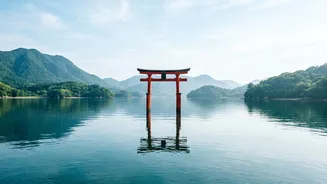
The Dream: An endless, winding path through thousands of vibrant red torii gates, creating a magical tunnel up the sacred Mount Inari. It's a quintessential Japan photo and a spiritual hike.The Reality: The lower, most densely packed sections of torii gates are extremely popular and can get incredibly congested, especially between 10 AM and 4 PM. Getting a photo without dozens of other people in it requires patience or an early start. Many visitors only see this initial, crowded section and turn back.The Verdict: Absolutely worth visiting, with a smart strategy. The shrine is open 24 hours, so an early morning visit (before 8 AM) is your best bet for a peaceful experience. Better yet, keep hiking! The crowds thin out significantly the further you climb the mountain path, and the upper trails offer a more authentic and serene atmosphere, complete with smaller sub-shrines and great city views.
Tokyo Imperial Palace
The Dream: A chance to see the opulent home of Japan's Emperor, envisioning a grand, historic castle at the heart of Tokyo.The Reality: The inner palace grounds, where the Imperial Family resides, are not open to the public except on two specific days a year. For most visitors, a trip to the 'palace' means visiting the adjacent East Gardens. While a pleasant and free green space, some find it underwhelming, consisting of old castle foundations, moats, and lawns, with no actual palace building in sight. One visitor noted it took them only an hour to see everything.The Verdict: It depends on your expectations. If you're looking for a peaceful, free park to escape the city's hustle, the East Gardens are a lovely choice. If you're expecting to tour a grand palace, you will be disappointed. For a better glimpse into imperial life, consider visiting the Meiji Shrine and its treasure house instead.
Dotonbori Glico 'Running Man' Sign, Osaka
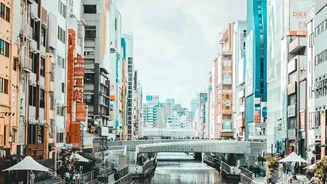
The Dream: A must-see symbol of Osaka's vibrant, neon-drenched nightlife. Taking a victory-pose photo in front of this iconic sign is a modern rite of passage for visitors.The Reality: It is, at its core, a very large and historic advertisement for the Glico confectionery company, first installed in 1935. The main viewing spot, Ebisubashi Bridge, is perpetually crowded with people doing the exact same pose. While a fun photo op, the experience itself is fleeting. It's worth noting the current sign will be taken down for replacement after November 30, 2026, with a new version debuting in spring 2027.The Verdict: Definitely see it, but integrate it into a larger exploration of the Dotonbori area. The real magic isn't just the sign, but the entire district's chaotic energy, flashing lights, and incredible street food like takoyaki. For a better photo, try the canalside walkways for a less crowded angle with a water reflection.