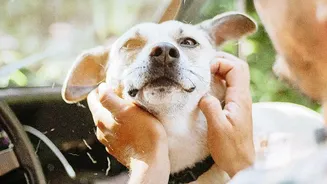


Why Humidity Is The Real Enemy
That familiar smell of wet fur is more than just a minor annoyance. During the monsoon, high humidity means nothing seems to ever fully dry—including your pet. This constant dampness creates the perfect breeding ground for bacteria and fungi. When moisture
gets trapped in a pet's coat, especially for long-haired breeds, it can lead to painful skin infections, hot spots, and persistent itching. The air is already saturated with water, which means a simple air-dry after a rainy walk can take hours, leaving the skin vulnerable the entire time. This is why proactive drying and grooming are not just about cleanliness, but about preventing health issues before they start.
Mastering the Post-Walk Cleanup
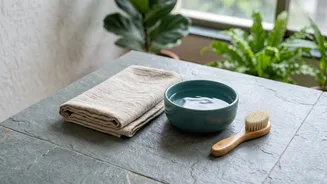
Every trip outside, no matter how brief, can turn into a messy affair during the rains. The key is to have a system ready at the door. Designate an entryway cleaning station with highly absorbent microfiber towels, pet-safe wipes, and perhaps a bucket of clean water. Focus on thoroughly drying the paws, belly, and ears, as these areas trap the most moisture. For paws specifically, just wiping isn't always enough. Mud and bacteria love to hide between the paw pads. Gently wash paws with lukewarm water or use a no-rinse foaming cleanser, and dry them completely. Investing in a paw-cleaning device like a MudBuster can also make this daily chore much quicker and more effective.
The Art of a Dry Coat
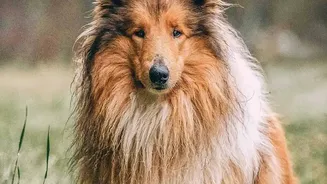
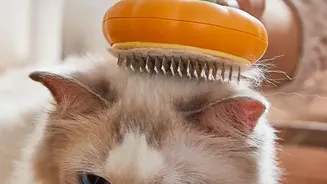
Never let a damp coat linger. After towelling off as much water as possible, use a pet-friendly hair dryer on a low-heat, low-speed setting to get the fur completely dry, right down to the skin. This is crucial because matted fur acts like a sponge, locking in moisture and creating a prime environment for skin problems. Regular brushing is also essential during the monsoon. It helps to remove loose, dead hair that would otherwise contribute to tangles and mats, which worsen when wet. For breeds with thicker coats, you may need to brush them daily to ensure good air circulation to the skin. Some experts even suggest bathing pets less frequently during the monsoon to avoid stripping the skin's natural protective oils, but when you do, a thorough dry is non-negotiable.
Protecting Paws and Preventing Pests
Puddles of stagnant water are a playground for germs, bacteria, and parasites that can cause infections. Try to steer your pet away from them during walks. For extra protection, especially if your pet dislikes booties, consider applying a paw balm or wax before heading out. This creates a barrier against irritants. The monsoon is also a peak season for fleas and ticks, which thrive in warm, humid conditions. Check your pet’s coat for these pests after every walk, paying close attention to areas around the ears, neck, and between the toes. Keep up with your vet-recommended flea and tick prevention program, as this is the most effective line of defence.
Keeping Your Home Fresh and Pet-Friendly
Managing a wet pet indoors requires a few adjustments. Ensure their bedding is always clean and, most importantly, completely dry. Wash their bedding more frequently than usual to prevent moisture and bacteria build-up. If possible, keep your home well-ventilated or use a dehumidifier to help reduce the overall indoor humidity. Since walks might be shorter, keep your pet mentally stimulated with indoor games, puzzles, and training sessions to burn off excess energy and prevent boredom. Finally, ensure their food is stored in an airtight container to prevent it from getting stale or mouldy from the humidity, and always provide access to fresh, clean drinking water.