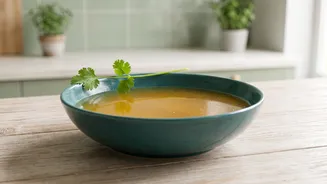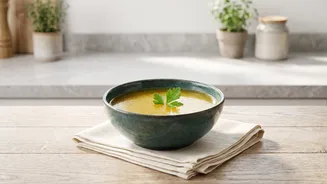



The Foundation: A Flavorful Scrap Broth
The secret to any great soup is a quality broth, and you can make a spectacular one for free. Start a designated container or bag in your freezer for vegetable scraps. Each time you cook, add clean odds and ends. Great additions include onion and garlic
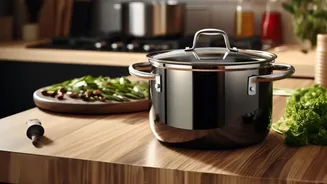
skins, carrot peels and ends, celery tops and bottoms, mushroom stems, and leek tops. These items, often discarded, are packed with flavor. Once your container is full (aim for 4-6 cups of scraps), empty it into a large pot, cover with water, and add a bay leaf or some peppercorns. Bring to a boil and then simmer for at least an hour to extract all the goodness. Strain the liquid, and you have a rich, homemade vegetable stock ready for any soup recipe.
Vegetable Peels: From Trash to Treasure
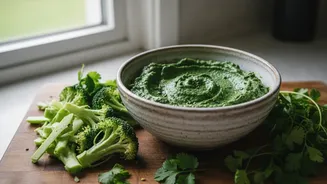
Not all peels are created equal. The skins of onions, shallots, and garlic are excellent for stock, providing a robust, savory base. Peels from carrots, parsnips, and potatoes also work well, adding sweetness and body. However, there are some scraps to avoid. Peels from cruciferous vegetables like broccoli, cauliflower, cabbage, and Brussels sprouts can make your broth bitter. Likewise, beet peels will turn your stock a vibrant red, and starchy potato peels can sometimes result in a cloudy, gummy texture. Always make sure your scraps are clean and free from any spoilage or mold before using them.
Herb Stems: A Burst of Freshness
Never throw away the stems of fresh herbs like parsley, cilantro, or dill. They contain just as much, if not more, flavor than the leaves. For herbs with tender stems like cilantro and parsley, you can finely chop them and add them directly to your soup along with other aromatics like onions and garlic. For woodier stems like those from thyme or rosemary, you can toss them into the pot whole while your soup simmers. The leaves will often fall off during cooking, and you can easily fish out the bare stems before serving. This infuses the soup with a fresh, aromatic quality you can't get from dried herbs alone.
Stale Bread: The Secret to Hearty Soups
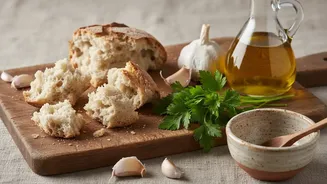
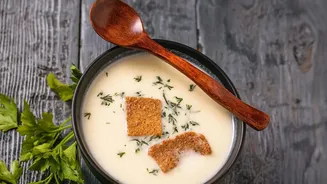
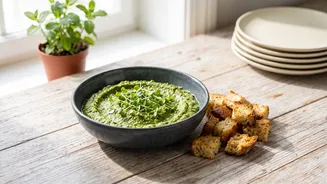
Day-old bread isn't a lost cause; it's an opportunity. In Italian cuisine, stale bread is a key ingredient in rustic, comforting soups like Pappa al Pomodoro (tomato and bread soup) and Ribollita. The bread acts as a natural thickener, absorbing the broth and breaking down to create a rich, porridge-like consistency. To use it, simply tear or cube the stale bread and add it to your soup in the last 15 minutes of cooking, or let it soak in the hot broth off the heat. It will transform a simple vegetable soup into a substantial, filling meal. Alternatively, cube the bread, toss with olive oil and herbs, and toast it for homemade croutons to garnish your finished soup.
Putting It All Together: Your Zero-Waste Soup
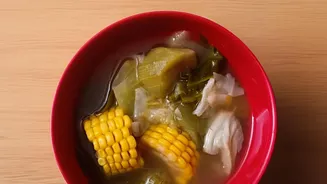
Now you have the building blocks for a truly resourceful meal. Start by sautéing a base of onions, carrots, and celery. Use your homemade scrap broth as the liquid foundation. Add any vegetables you have on hand, from lentils and beans to that half a zucchini in the crisper. Let it simmer until the vegetables are tender. In the final stage, stir in your chopped herb stems for a pop of flavor or add cubes of stale bread to create a thicker, heartier meal. Season to taste, and serve with pride. You've not only created a delicious dish but also given a second life to ingredients that would have otherwise gone to waste.