




The Economics of the Tentpole
In today's film industry, the middle ground has all but vanished. Studios have increasingly adopted a 'tentpole' strategy, pouring hundreds of millions of dollars into a small number of big-budget films designed to be massive, global events. These movies—often
part of established franchises like the Marvel Cinematic Universe or major sci-fi series—are considered safer bets to recoup their colossal marketing and production costs. The logic is that it's more predictable to make one billion-dollar hit than ten hundred-million-dollar films. This focus means that dramas, comedies, and other mid-budget movies that once were staples of the theatrical experience are now often deemed too risky for a wide release. As a result, studios are releasing fewer films in total, creating a bottleneck where only the largest, most spectacle-driven productions get the theatrical spotlight.
The Streaming Revolution's Impact
The rise of streaming platforms like Netflix and Disney+ has fundamentally altered what audiences expect from a trip to the cinema. With an endless library of content available at home, the incentive to go to a theatre has changed. Why pay for a ticket, popcorn, and a drink to see a quiet drama or a simple comedy when you can watch a similar film from your couch? This shift in viewer habits has pushed theatres to become venues for experiences you can't replicate at home. Consequently, genres that thrive on communal viewing and sheer scale—like horror, action, and sci-fi fantasy—are now the primary drivers of theatrical attendance. Studios know that if a film doesn't offer a compelling reason to leave the house, it's likely to get lost in the noise, making spectacle a key ingredient for box office success.
Making Cinema an 'Event'
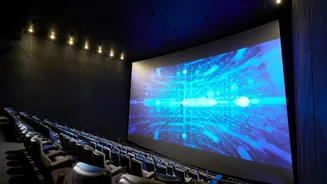
Going to the movies is no longer a casual weekly habit; for many, it's a planned event. This 'eventization' of cinema means audiences, especially younger demographics like Gen-Z, are selectively choosing films that feel like cultural moments. These are the movies that dominate social media conversations and generate widespread buzz. The shared experience of watching a major blockbuster on opening weekend has become a powerful draw. Theatres and studios lean into this by promoting immersive formats. Technologies like IMAX, Dolby Cinema, and 4DX transform a viewing into a physical experience with giant screens, earth-shaking sound, and even motion seats. Audiences have shown they are willing to pay a premium for these enhanced formats, which further incentivizes studios to produce films that can take full advantage of them. In 2026, premium formats have captured a significant and growing share of the box office for major hits.
The Global Box Office Factor
Hollywood's focus on visual spectacle is also a direct result of the global market's importance. Action and fantasy films, which rely on stunning visuals and universal themes of heroism and conflict, travel exceptionally well across different cultures and languages. A complex dialogue-driven drama may not resonate in dozens of international territories, but a superhero saving the world is a concept that's easy to understand everywhere. This has been especially true in rapidly growing markets like India, where Hollywood tentpoles have seen record-breaking growth, driven by demand for these premium cinema experiences. As international receipts become an ever-larger piece of a film's total revenue, studios are doubling down on the kinds of high-concept, visually-led stories that have the broadest possible appeal.