




The New Wave of Handloom
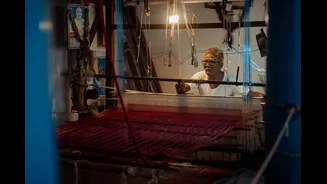
The hum of the loom, once fading into the background of rural India, is growing louder. A powerful combination of conscious consumerism, design innovation, and social media savvy has sparked a significant revival in the handloom sector. No longer confined
to traditional wardrobes or niche markets, handloom fabrics are being reimagined by a new generation of designers and embraced by consumers seeking sustainability and authenticity. This is not just about nostalgia; it is a dynamic movement. Online platforms and e-commerce have connected weavers directly to global markets, bypassing layers of middlemen and giving their stories and skills a worldwide stage. Initiatives celebrating National Handloom Day and government schemes like the National Handloom Development Programme are further bolstering this momentum, aiming to make the sector more organised and economically viable for its artisans.
The Threat of Dilution
With rising demand comes the looming danger of craft dilution. The most significant threat is the proliferation of power loom imitations passed off as genuine handloom products. These machine-made textiles can be produced faster and cheaper, flooding the market and making it difficult for authentic handwoven goods to compete on price. This pressure can lead to the simplification of complex, time-honoured designs to speed up production, eroding the very artistry that makes handloom unique. The use of synthetic dyes over traditional, natural ones and lower-quality raw materials are other facets of this dilution, impacting both the sustainability and the longevity of the final product. Preserving the craft means protecting these intricate techniques, many of which are linked to specific regions and communities and are at risk of being lost.
Putting the Weaver First
At the heart of the handloom story is the weaver. For the revival to be truly successful, it must translate into a stable and dignified livelihood for the artisans, over 70% of whom are women. For generations, many weavers have faced low and inconsistent incomes, forcing younger generations to seek employment outside their ancestral craft. The key challenge is to ensure that the profits from this resurgent market reach the weavers themselves, rather than being absorbed by intermediaries. Technology, when used correctly, can be an empowering tool. Digital archives are helping document and preserve traditional patterns, while platforms like the Government e-Marketplace (GeM) and Indiahandmade portal enable direct sales. Fair wages, access to credit through schemes like the Weaver MUDRA Scheme, and social security are crucial to making weaving an aspirational profession once again.
Finding the Right Balance
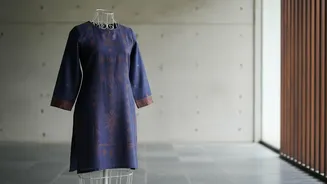
Innovation, not imitation, is the key to making handloom relevant for today's market without compromising its soul. The solution is not to freeze handloom in time, but to adapt it thoughtfully. This means technology should empower the artisan, not replace them. Designers are playing a crucial role by using traditional fabrics to create contemporary silhouettes like shirts, stoles, and home decor, appealing to a younger, global audience that values sustainability. Some initiatives are focusing on reviving near-extinct weaving traditions by providing government support and creating market linkages, as seen with Gujarat's Tangaliya weave and the Siddipet Gollabhama saree from Telangana. This blend of heritage and modernity, where a handwoven textile's quality and story are its primary selling points over price, is where the sector can thrive.
The Conscious Consumer's Role
Ultimately, the responsibility for preserving handloom's authenticity also lies with the consumer. In a market where it is easy to be misled, being an informed buyer is a powerful act. Learning to distinguish between handloom and power loom fabrics is a start. Supporting brands and platforms that are transparent about their supply chains and guarantee fair wages to their weavers is another. Initiatives like the India Handloom Brand and GI tags for products from specific regions offer a mark of authenticity that consumers can look for. By choosing to invest in genuine handloom, consumers do more than just buy a piece of cloth; they support a sustainable ecosystem, preserve a living cultural legacy, and ensure that the hands that weave these stories can continue their work for generations to come.