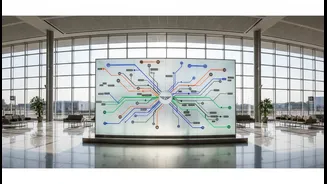




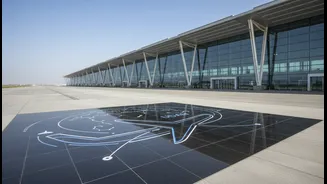


A Modern Gateway with a Traditional Soul
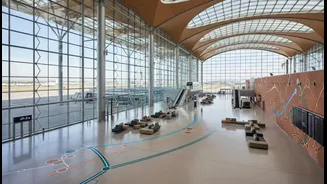
Inaugurated on July 4, 2026, the new terminal at Jodhpur is a significant leap forward in capacity and design. Built at a cost of ₹480 crore, the facility spans over 23,000 square metres and is designed to handle two million passengers annually, a crucial
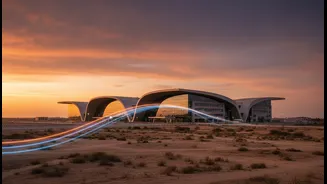
upgrade for a city that has seen passenger traffic steadily rising. It can manage 1,500 passengers during peak hours and features modern amenities like 20 check-in counters, six aerobridges, and an apron capable of parking 11 Airbus A-321 aircraft. But beyond the numbers, the terminal is a deliberate nod to its location. The architecture incorporates traditional Rajasthani elements like multifoil arches, domes, and intricate carvings, reflecting the rich heritage of the Marwar region. This blend of modern efficiency and cultural homage ensures that for many visitors, the first impression of Jodhpur is one that is both world-class and deeply rooted in local identity.
More Than Just Tourists and Travellers
While boosting tourism is a primary goal, the impact of the new terminal extends much further. Enhanced air connectivity is a proven catalyst for economic development. For Jodhpur, a key industrial and strategic centre in Western Rajasthan, this means stronger links to major business hubs across the country. Improved logistics will benefit local industries, including handicrafts and agriculture, by providing faster access to markets. The construction and operation of the airport itself create direct and indirect employment, and the expected increase in visitor numbers will fuel growth in the hospitality sector, from hotels to local transport and guide services. This ripple effect is critical, transforming the airport from a simple transit point into a vital piece of economic infrastructure that supports local livelihoods and attracts new investment.
A Piece of a National Puzzle
Jodhpur’s new terminal isn't an isolated project; it's a key component of India's broader strategy to enhance infrastructure in Tier-2 and Tier-3 cities. For years, India's aviation growth was concentrated in a few metro hubs, leading to congestion and regional imbalances. The current policy focus is on decentralizing this growth. The number of operational airports in India has more than doubled in the last decade, with a clear emphasis on regional connectivity. By developing modern airports in cities like Jodhpur, the government aims to unlock their economic potential, making them more attractive for businesses and easier to access for travellers. This strategy not only eases the burden on major airports but also fosters more equitable national development, ensuring the benefits of economic growth reach beyond the largest metropolitan areas.
Connecting the Dots with UDAN
The inauguration of the Jodhpur terminal was strategically paired with the launch of the modified UDAN (Ude Desh ka Aam Nagrik) scheme. This isn't a coincidence. UDAN aims to make air travel affordable and connect underserved regions, and modern airport infrastructure is essential for its success. The new terminal gives Jodhpur the capacity to handle additional routes that might be established under UDAN, strengthening its position as a hub for Western Rajasthan. This synergy between building infrastructure (the terminal) and promoting its use (the UDAN scheme) is crucial. It signals a holistic approach where the government is not just building airports but is also creating the policy framework to ensure they become vibrant, sustainable centres of connectivity, linking smaller towns to the national aviation network.