

From Heritage Weaves to Urban Wear
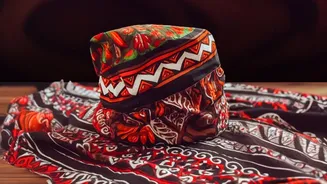
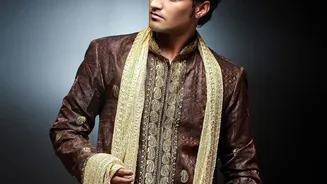
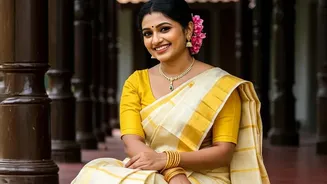
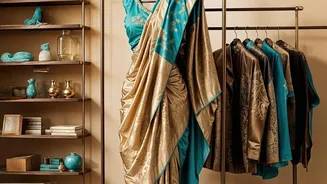
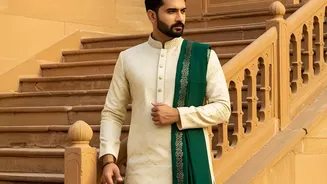
For generations, handloom fabrics like Khadi, Ikat, and Chanderi were the pride of traditional Indian wardrobes. Today, they are at the center of a style renaissance, breaking free from occasion-wear to become staples of contemporary streetwear. This
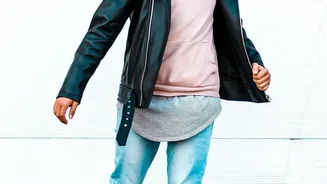
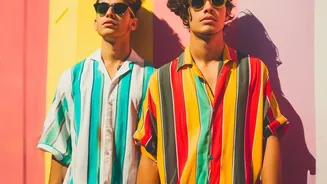
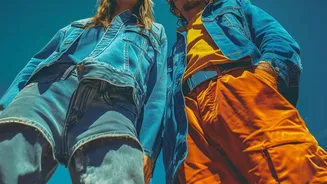
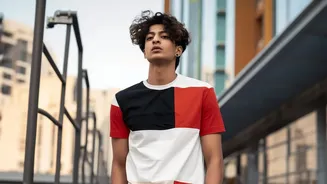
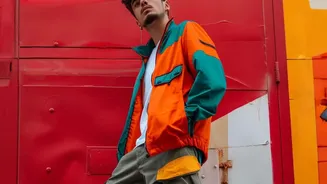
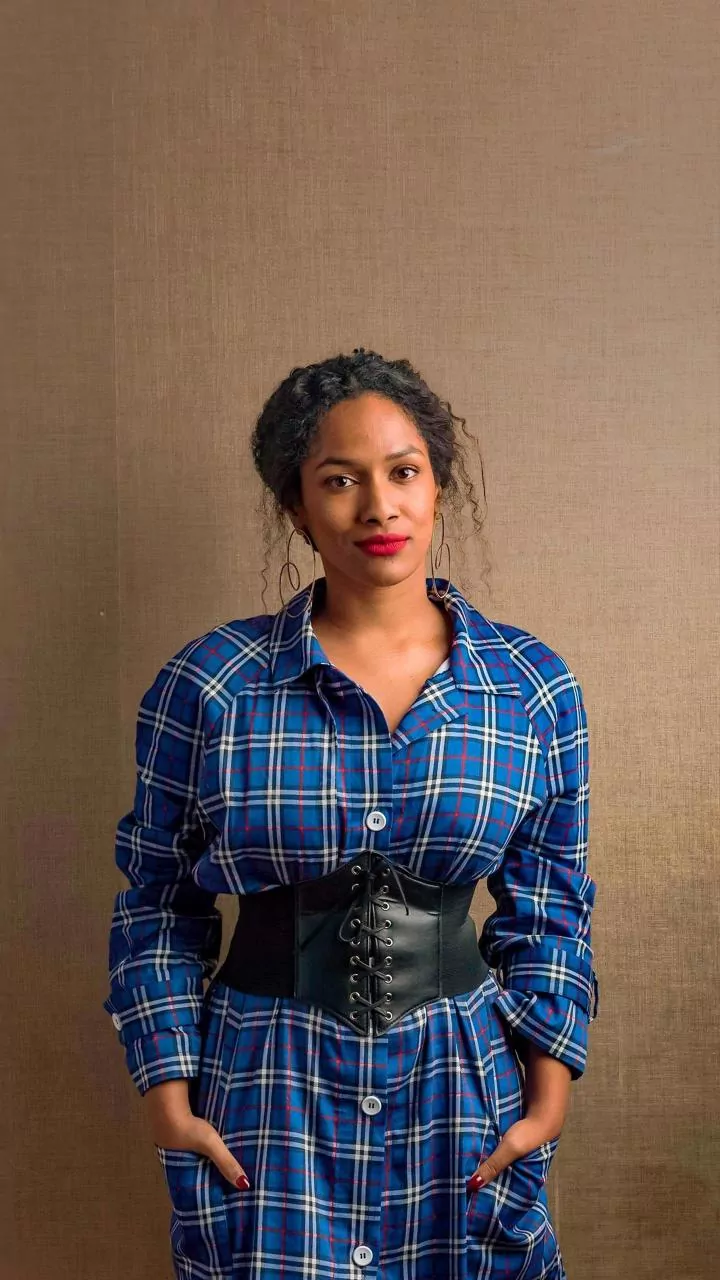
shift is driven by a new wave of designers who see the immense potential in these textiles not as relics to be preserved, but as living canvases for modern expression. They are transforming handwoven fabrics into oversized shirts, relaxed-fit co-ords, and structured jackets, proving that heritage can be both timeless and trendy. The result is a 'Neo-Traditional' aesthetic that feels authentic, comfortable, and deeply connected to Indian roots.
The Collaborative Bridge
The success of this revival lies in the partnership model. Young, urban designers are travelling across the country, from Bhuj to Varanasi and the villages of Mizoram, to work directly with artisan clusters. This is not a top-down process; it's a co-creation. Designers bring contemporary silhouettes and a global perspective, while artisans contribute generations of inherited wisdom and technical skill. Labels like NorBlack NorWhite and Jiwya have built their brands on this very foundation, collaborating with weavers to develop new patterns and textures. This direct engagement ensures that the final garment tells a story—of the weaver, the region, and the craft. It's a process that moves beyond mere sourcing to become a genuine fusion of creative energies.
What Handloom Streetwear Looks Like
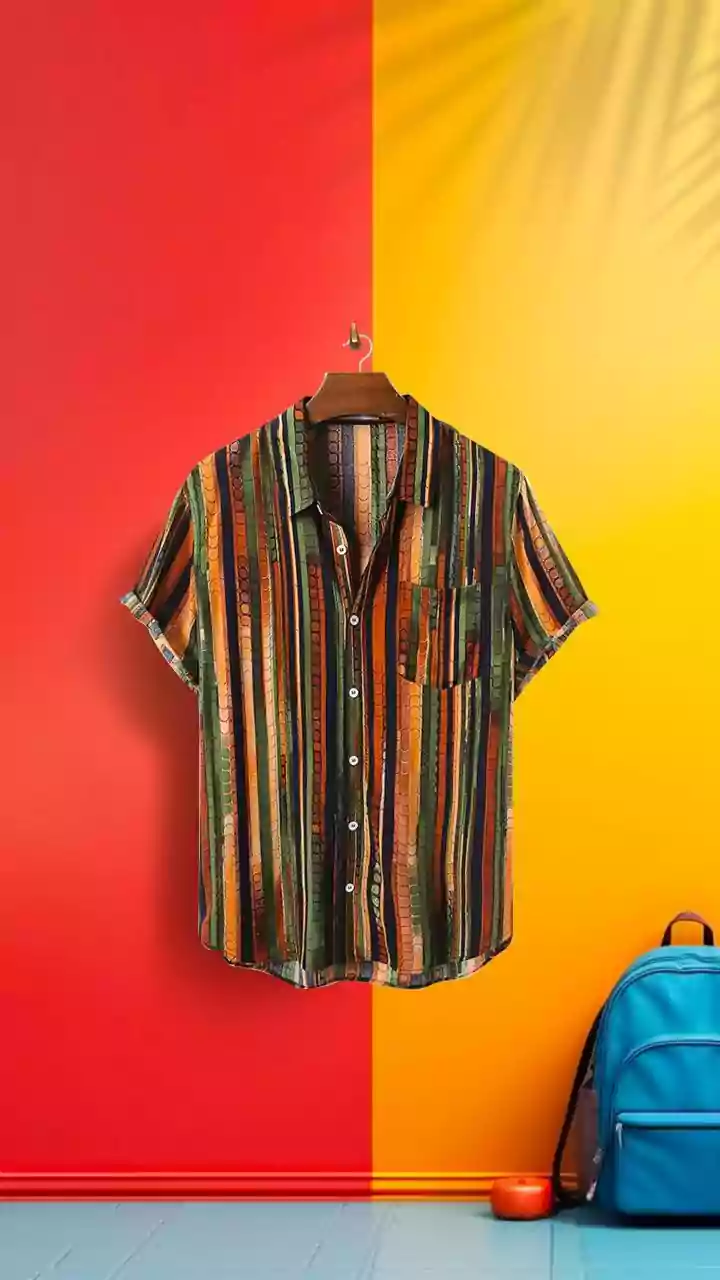
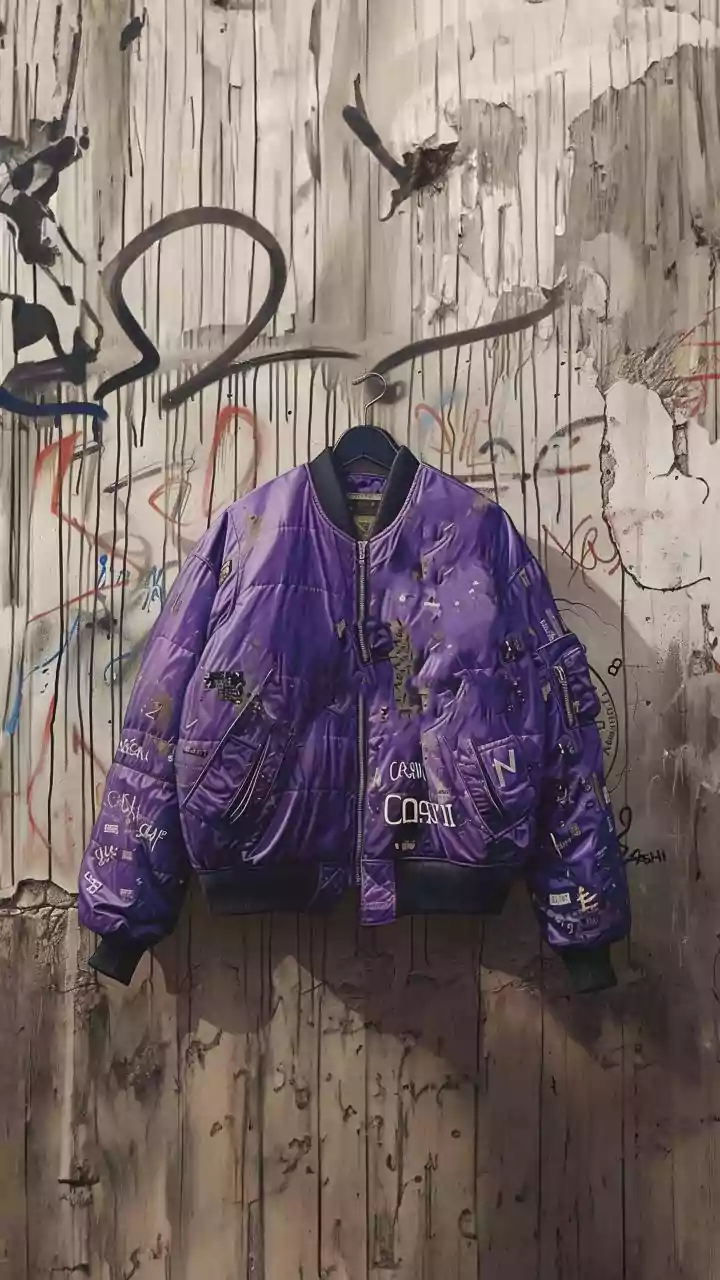
Forget what you think you know about handloom. The new streetwear aesthetic is all about unexpected combinations. Imagine a bomber jacket made from breathable Khadi, a hoodie featuring the intricate geometric patterns of Pochampally Ikat, or joggers made from soft, block-printed cotton. It’s about taking the soul of a traditional fabric and giving it a modern, functional form. Oversized shirts in Chanderi silk are paired with cargo pants, and traditional wrap styles like the Angrakha are reimagined as asymmetrical hoodies. These garments are not just visually striking; they are also designed for modern life, offering comfort and climate-suitability.
More Than Just a Fashion Trend
This movement is about more than just aesthetics; it's a powerful force for sustainable and ethical fashion. Handloom production uses minimal energy and water compared to industrial manufacturing. By working directly with artisan communities, designers are helping to create fair-wage employment and preserve endangered crafts. Many brands champion a 'soil-to-soil' philosophy, using natural dyes and plant-based materials to create fully biodegradable garments. For a new generation of consumers, this transparency is crucial. They want to know who made their clothes and the story behind the fabric, making handloom streetwear a conscious choice that aligns with their values.
The Road Ahead
While the trend is gaining momentum, challenges remain. Competing with the price and scale of fast fashion is a significant hurdle. However, the growing consumer demand for authenticity and sustainability offers a promising path forward. The fusion of heritage craftsmanship with streetwear's rebellious spirit is creating a unique Indian fashion identity that is gaining global recognition. By celebrating local skills and materials, these partnerships are not just reviving a style; they are weaving a more sustainable and culturally rich future for the fashion industry, one thread at a time.