






The hunt for a great job in India is no longer confined to the bustling metros. A quiet but powerful shift is underway, turning smaller cities into thriving employment hubs, especially for delivery and warehousing roles. Here’s what’s driving the boom.
The E-commerce Tidal Wave
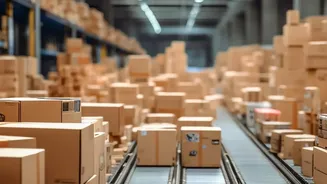
The single biggest driver behind this job market transformation is the incredible growth of e-commerce. As online shopping moves from a metro-centric luxury to a daily habit across India, the demand for localised logistics has exploded. Companies can no longer serve a customer in Lucknow or Jaipur efficiently from a massive warehouse in Mumbai. To fulfill the promise of same-day or next-day delivery, they need 'dark stores', fulfillment centres, and delivery stations closer to their customers. During festive seasons, this trend goes into overdrive, with Tier-II and Tier-III towns accounting for nearly two-thirds of total demand. This creates a massive, continuous need for people on the ground to sort, pack, and dispatch goods, making these smaller cities the new epicentres of logistics hiring.
Smarter Economics and The GST Effect
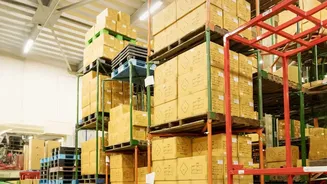
Before the Goods and Services Tax (GST), India's tax system was a complex web of state-level levies, forcing companies to maintain separate, often inefficient, warehouses in every state to manage tax liabilities. The introduction of GST unified the country into a single market, allowing businesses to completely rethink their supply chain strategies. Instead of a scattered network of small godowns, companies can now build large, strategically located 'hub-and-spoke' warehouses. Smaller cities and towns offer the perfect conditions for these hubs: cheaper land, lower operational costs, and an available workforce. This structural shift has made it economically sensible for companies to consolidate their warehousing operations in non-metro locations, fueling local job growth.
Infrastructure Gets a Major Upgrade
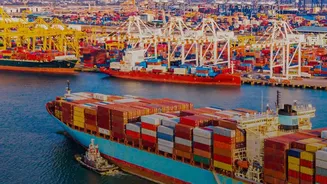
This boom wouldn't be possible without significant improvements in India’s infrastructure. Government initiatives like the National Logistics Policy are aimed at making the movement of goods faster and cheaper. The expansion of national highways, dedicated freight corridors, and better rail connectivity means that a warehouse in a Tier-II city can now serve a large region with unprecedented efficiency. This improved connectivity allows companies to build massive, Grade-A warehousing facilities in emerging hubs like Nagpur, Coimbatore, Surat, and Indore, confident that they can manage inventory and dispatch products smoothly across the country. As a result, these cities are no longer just seen as consumption markets but as critical nodes in the national supply chain.
A New World of Opportunity for Job Seekers
For residents of smaller cities, this trend is a game changer. It brings a host of new job opportunities right to their doorstep, reducing the need to migrate to metros for work. The roles created are diverse, ranging from entry level positions like delivery executives, pickers, and packers to skilled roles like warehouse managers, logistics coordinators, and supply chain analysts. Reports show a significant spike in hiring for these jobs in non metro areas, with some cities seeing a 22–25% higher surge in seasonal hiring compared to metros. For many, these jobs offer a gateway to the formal economy, with structured salaries, benefits like PF and ESI, and clear paths for career growth within a rapidly expanding sector. Monthly salaries for roles like delivery station associates can range from ₹17,500 to ₹34,000, providing stable income and long term employability.