






A Shift in a Generation's Aesthetic
A quiet revolution is taking place in the living rooms and balconies of India's youth. Generation Z, a demographic known for its digital fluency and global awareness, is increasingly looking inward for home decor inspiration. Instead of minimalist, mass-produced
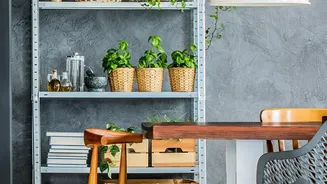
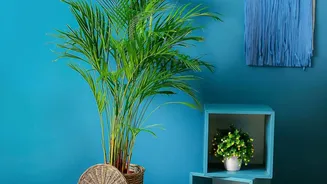
items, they are curating spaces that tell a story, blending modern functionality with timeless craftsmanship. This trend sees earthy terracotta pots replacing plastic planters, hand-woven jute and macrame wall hangings adding texture to bare walls, and furniture made from bamboo and cane bringing a touch of nature indoors. It’s an aesthetic that values authenticity and personality over sterile perfection, creating homes that are not just photogenic for social media but are also genuine sanctuaries.
Driven by a Conscience for the Planet
This shift is more than just a fleeting design trend; it's a reflection of a deep-seated value system. Gen Z has grown up with a heightened awareness of environmental issues like plastic pollution and climate change. This eco-consciousness directly influences their purchasing decisions, with a strong preference for sustainable and ethically produced goods. They are actively choosing handicrafts made from natural, biodegradable materials like clay, jute, sabai grass, and bamboo. These materials not only have a lower environmental impact but also align with a desire for a healthier, more natural living environment. For this generation, a beautiful home is also a responsible one.
Reconnecting with Cultural Roots
The turn towards traditional Indian handicrafts is also a powerful act of cultural reclamation. For many in Gen Z, these items are a tangible link to their heritage. Choosing a Bankura horse sculpture, a hand-painted Madhubani plate, or a block-printed textile is a way of celebrating and preserving ancient art forms. Unlike previous generations that may have equated modernity with Western design, today's youth see tradition and modernity as complementary forces. They are narrating tales through their decor, opting for timeless pieces rich in history and warmth over ostentatious or generic items. This creates a sophisticated space that feels both personal and deeply connected to Indian identity.
How Tradition Finds a Modern Home
Integrating these traditional crafts into contemporary apartments is all about balance. A minimalist living room gets an infusion of warmth from a large jute rug and a few terracotta planters. A sleek, modern dining set might be paired with chairs made of cane or surrounded by walls featuring intricately carved wooden 'jharokhas'. Macramé plant hangers are a popular choice for adding greenery to small balconies without taking up floor space. Eco-friendly materials like bamboo are being used for everything from lampshades and trays to lightweight furniture. The goal isn't to create a museum-like space, but to gently mix these elements in, allowing the craftsmanship and natural beauty of the items to shine.
Boosting the Artisan Economy
This growing demand has a significant positive ripple effect. By choosing handmade goods, consumers are directly supporting rural artisans and craft clusters across India, from Rajasthan to West Bengal and the Northeast. This conscious consumerism helps preserve traditional skills and ensures that artisans receive fair compensation for their work, often bypassing intermediaries through digital marketplaces. This trend empowers local communities, particularly women artisans, and helps build a more sustainable and equitable economy. Every purchase becomes an investment in preserving India's rich cultural heritage and fostering sustainable livelihoods for its craftspeople.