





Each winter, Delhi's sky turns a hazy, toxic grey. It's a predictable crisis, but what are the specific atmospheric conditions that trap the city in a chokehold? The answer lies in a perfect storm of geography, weather, and human activity.
The Geographical Bowl
Delhi's location
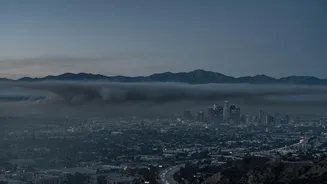
on the vast Indo-Gangetic Plain is a primary factor in its pollution woes. This entire region is effectively a landlocked basin, with the towering Himalayas to the north acting as a massive barrier. This topography creates a 'bowl effect' that prevents pollutants from escaping. Instead of dispersing, emissions from across northern India are contained within this geographical bowl, creating a regional reservoir of polluted air that can easily concentrate over cities like Delhi. Even without local emissions, the city's location means it naturally collects airborne pollutants from surrounding areas.
Delhi's Own Emissions Overload
It is crucial to note that Delhi is also a massive source of its own pollution. While stubble burning is a major seasonal factor, year-round emissions from vehicles, industries, and construction dust create a high baseline of pollution. Vehicular emissions are a particularly large contributor, accounting for a significant percentage of particulate matter in winter. Additional sources, like the burning of biomass and waste for heating during the cold months, add to the toxic mix. These local sources continuously pump pollutants into the air, which are then trapped by the winter inversion, turning a chronic problem into an acute crisis.