








The Gentle Squeeze: What Are Cold-Pressed Oils?
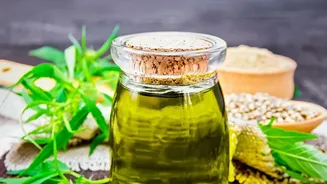
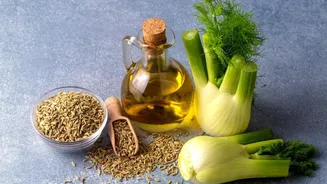
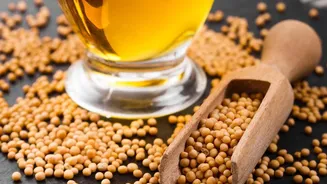
Cold-pressed oils, often known in India as 'kachi ghani', are extracted using a simple mechanical process. Seeds or nuts like mustard, groundnut, or coconut are crushed at a low temperature, typically below 49°C, to squeeze the oil out. This method avoids
high heat and chemical solvents. The major advantage is that this gentle extraction helps the oil retain its natural flavour, aroma, and most of its nutritional profile, including vitamins, antioxidants, and beneficial fatty acids that are good for your health.
The Industrial Process: What Are Refined Oils?
Refined oils are products of an intense, multi-stage industrial process designed for high yield and a long shelf life. The process often starts with extracting oil from seeds using high heat and chemical solvents like hexane. After extraction, the crude oil undergoes several treatments including degumming, neutralization, bleaching, and deodorizing. These steps remove impurities, free fatty acids, colours, and odours, resulting in a neutral-tasting oil with a uniform appearance. While this makes the oil more stable, it also strips away many of the natural nutrients.
The Heart-Health Showdown
This is where the difference becomes most critical. Cold-pressed oils are rich in monounsaturated (MUFA) and polyunsaturated (PUFA) fatty acids, which are known to be heart-friendly. These healthy fats can help lower bad cholesterol (LDL) and increase good cholesterol (HDL). They also retain natural antioxidants and Vitamin E, which fight inflammation and oxidative stress, key factors in heart disease. In contrast, the high-heat refining process not only destroys many of these beneficial compounds but can also create harmful trans fats. Regular consumption of refined oils, which may have an imbalanced ratio of omega-6 to omega-3 fatty acids, has been linked to increased inflammation and a higher risk of heart ailments.
Smoke Point and Indian Cooking
An oil's smoke point is the temperature at which it starts to break down and produce smoke, potentially releasing harmful compounds. Refined oils generally have a higher smoke point because the impurities that would burn at lower temperatures have been removed. This has traditionally made them the go-to choice for high-heat Indian cooking methods like deep frying. However, many cold-pressed oils like groundnut and coconut oil have smoke points that are perfectly suitable for most daily Indian cooking, including sautéing, tempering (tadka), and light frying. Ghee also has a very high smoke point and is a stable traditional fat for high-heat cooking. For salads and drizzling, the rich flavours of cold-pressed oils are unmatched.
Making the Smart Choice for Your Kitchen
The choice isn't necessarily about banning one type of oil entirely but about understanding their roles. For daily cooking methods like preparing sabzis, dals, and tadkas at low to medium heat, cold-pressed oils are a nutritionally superior choice. They deliver flavour and a host of health benefits that refined oils lack. If you must deep-fry, using an oil with a high smoke point is important for safety, but it's an activity best done sparingly. Consider having a small bottle of a suitable high-heat oil for such occasions, while making a nutrient-rich cold-pressed oil your daily workhorse. Reading labels is key; look for terms like 'cold-pressed', 'wood-pressed', or 'kachi ghani' to ensure you're getting a minimally processed product.