



From Passive to Participant
For decades, a monsoon getaway meant finding a cosy resort in Lonavala, Goa, or the hills of Kerala, and simply watching the world turn a vibrant, washed-out green. It was a passive, contemplative experience. But today’s travellers, particularly millennials
and Gen Z, are rewriting the script. They aren’t content with being spectators; they want to be participants. This has fuelled a significant shift towards ‘experiential’ travel, where the goal is to actively engage with the destination, its culture, and its environment. The monsoon, with its dramatic landscapes and unique seasonal activities, has become a prime playground for this new travel philosophy.
Adventure Amidst the Clouds
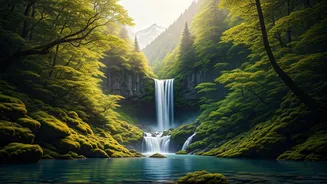
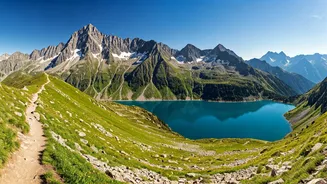
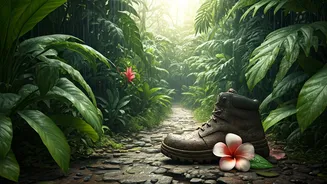
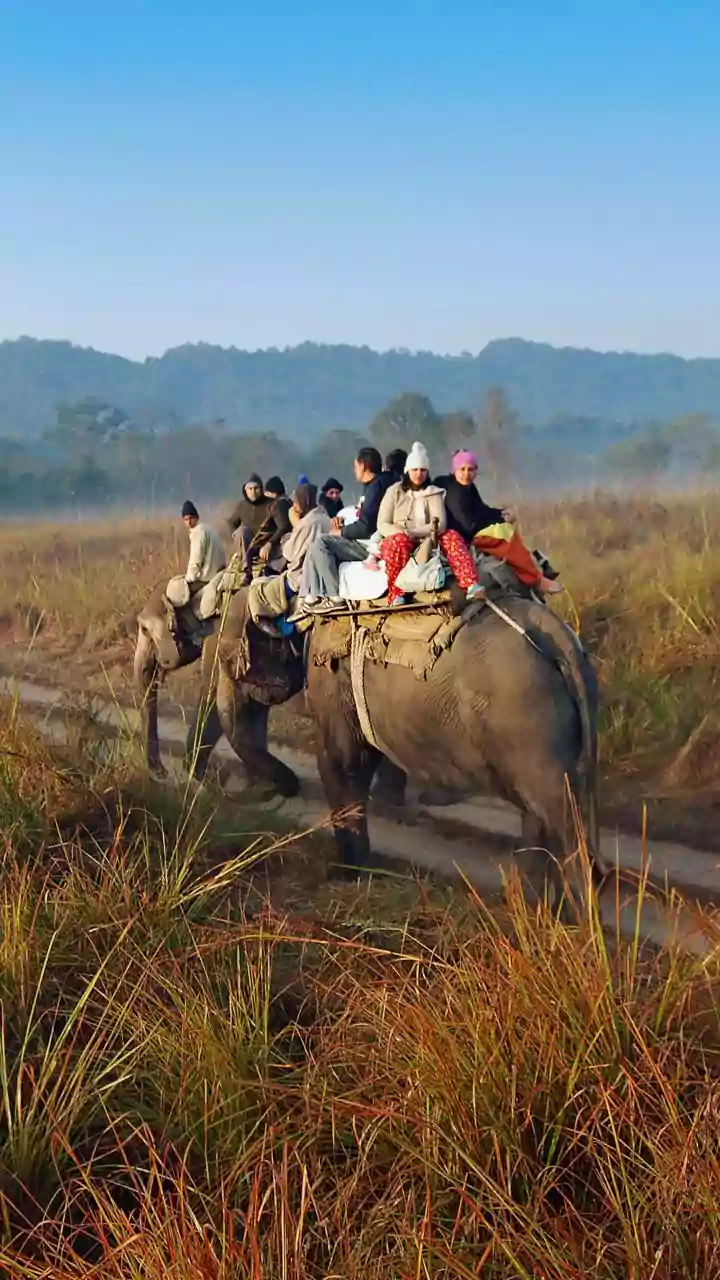
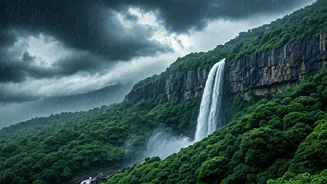
One of the biggest draws of an experiential monsoon is adventure. The rain transforms familiar landscapes into challenging and thrilling obstacle courses. Trekkers are flocking to the Western Ghats in Maharashtra and Karnataka, where trails lead to overflowing waterfalls and mist-shrouded peaks that are inaccessible or less dramatic in other seasons. Waterfall rappelling, a sport that involves descending a cascade on a rope, has gained immense popularity in places like Karjat and Kolad. In states like Uttarakhand and Sikkim, rain-fed rivers swell to create ideal conditions for white-water rafting, offering a more intense experience than in the drier pre-monsoon months. Even jungle safaris, traditionally avoided during the rains, are finding favour in specific zones of national parks that remain open, providing opportunities to see wildlife against a lush, green backdrop.
The Rise of Agri-Tourism
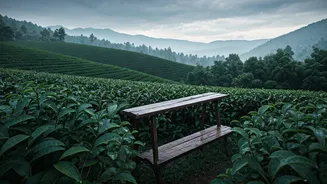
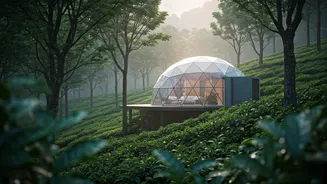
The monsoon is the lifeblood of Indian agriculture, and travellers are now keen to witness this process firsthand. Agri-tourism is booming, with farm stays across Coorg, Wayanad, and parts of Punjab and Maharashtra offering immersive experiences. Visitors can do more than just enjoy farm-to-table meals. They are invited to participate in the sowing of paddy fields, learn about organic farming techniques, try their hand at milking cows, and understand the journey of spices from plant to packet. This form of travel connects urban dwellers with the country's agrarian roots in a tangible way, turning a holiday into an educational and grounding experience.
Wellness and the Rains
The connection between the monsoon and wellness is ancient, and modern travellers are rediscovering it. According to Ayurveda, the rainy season is the ideal time for rejuvenation therapies, as the body is more receptive to treatments when the atmosphere is cool and dust-free. Wellness retreats, especially in Kerala, see a surge in visitors seeking everything from panchakarma detoxification to simple Abhyanga massages. Beyond Ayurveda, yoga and meditation retreats in tranquil locations like Rishikesh or the quiet hills of Himachal Pradesh offer a chance to disconnect and introspect, with the rhythmic sound of the rain providing a natural, calming soundtrack.
Why This Shift is Happening Now
Several factors are driving this trend. The desire for authenticity is a major one; travellers are tired of cookie-cutter holidays and crave unique stories to tell. Social media plays a role, as a photo of you rappelling down a waterfall is far more compelling than another shot of a hotel pool. Furthermore, improved infrastructure has made previously remote areas more accessible, even during the rains. Travel companies have responded to this demand by curating specialised itineraries that go beyond conventional sightseeing. They are marketing the monsoon not as an 'off-season' to be endured with discounts, but as a peak season for a different kind of adventure.